Care and Cleaning
What Is a Mattress Protector and at What Temperature Should It Be Washed?
A mattress protector is a practical product that guards your mattress against stains and spills. Washing it at the right temperature helps it last longer.
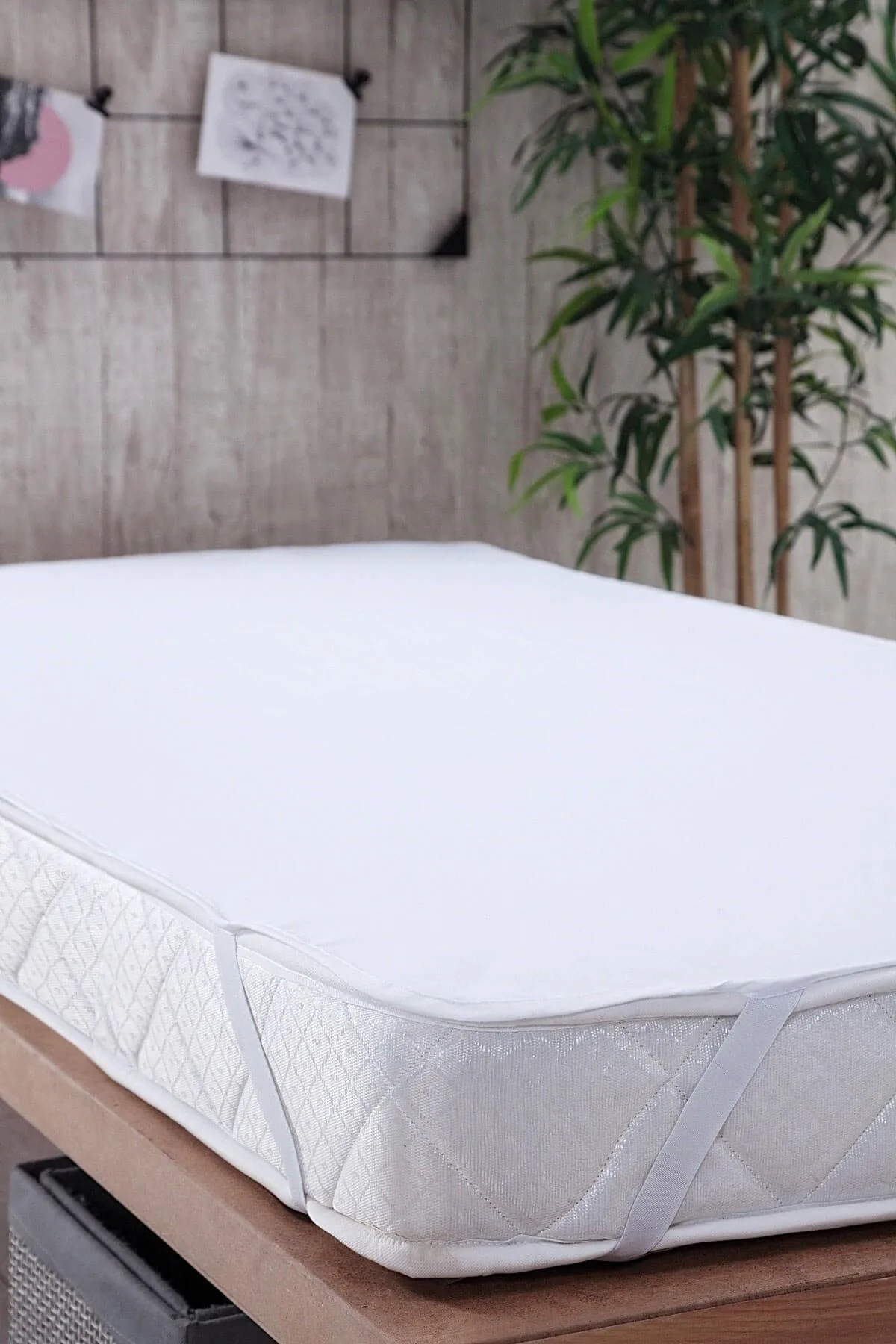
Quality sleep is vital for both our physical and mental health. However, getting a good night's sleep depends not only on a comfortable mattress, but also on paying attention to mattress hygiene. Using a mattress protector is especially helpful in this regard.
A mattress protector is a cover made from special fabrics that is placed over the mattress to protect it from external factors. Over time, mattresses can become soiled with dust, dead skin cells, sweat and various liquids. This can damage the mattress and create an environment where bacteria and mites that threaten our health can thrive. For this reason, using a mattress protector offers both health and financial benefits.
Available in cotton, polyester blends or liquid-proof fabrics, mattress protectors help maintain mattress hygiene while providing extra comfort. Since they do not come into direct contact with the body, mattress protectors are placed under the sheets and can be easily removed and washed. In general, mattress protectors should be washed at temperatures between 40°C and 60°C. This range cleans effectively without damaging the fabric and is sufficient for hygiene. However, lower temperatures should be used for protectors made from certain special fabrics or with liquid-proof coatings. For this reason, always follow the washing instructions on the product label.
What Types of Mattress Protectors Are There?
Mattress protectors vary according to their intended use and mattress size, so choose one to suit your needs. Here are the most common types:
Single mattress protector: Sized to fit standard single mattresses, such as 90x190 cm.
Double mattress protector: Suitable for mattresses measuring 160x200 cm and larger.
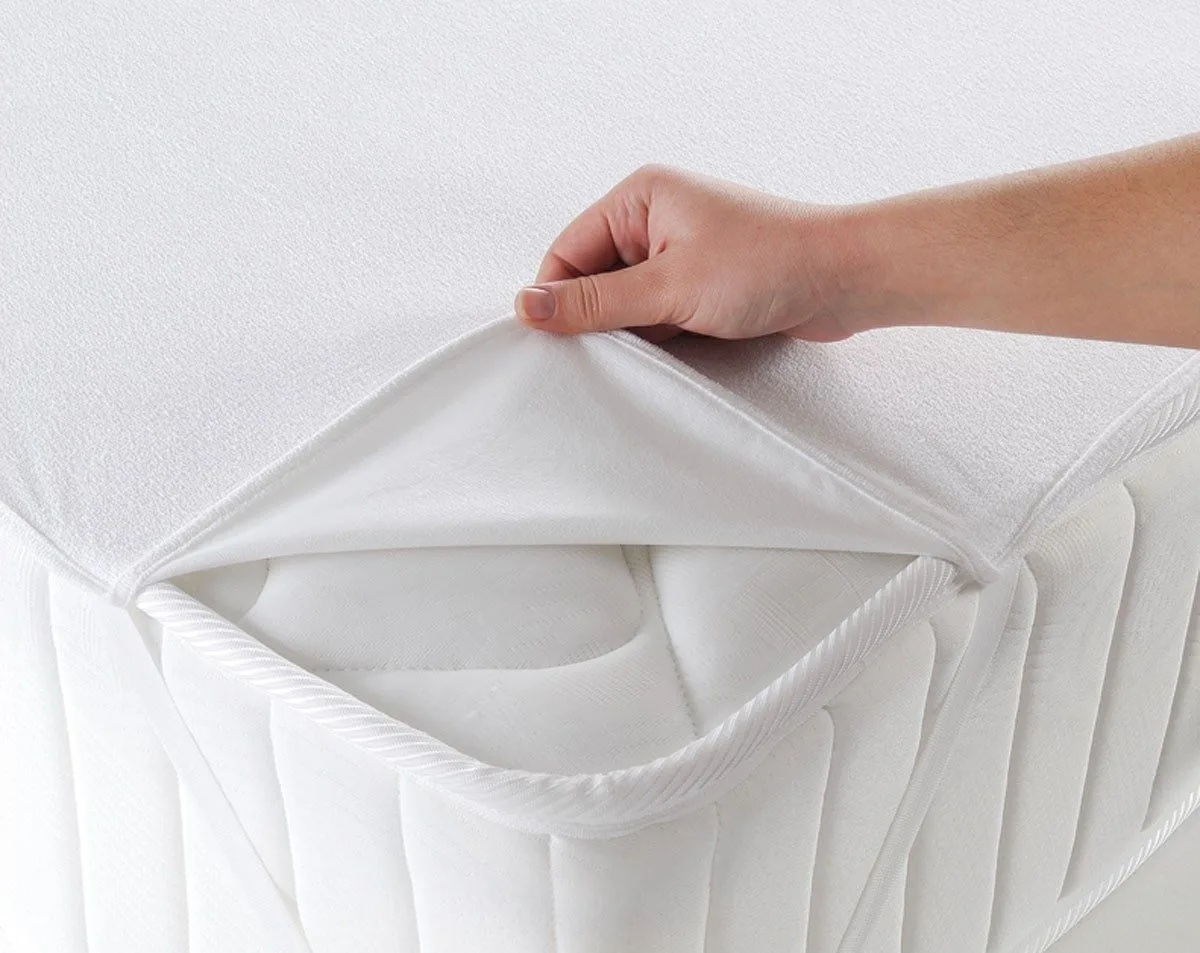
Fitted mattress protector: Elasticated corners keep it in place and make it easy to use.
Zipped mattress protector: Its zipped design fully encloses the mattress, protecting it from dust, insects and other external factors.
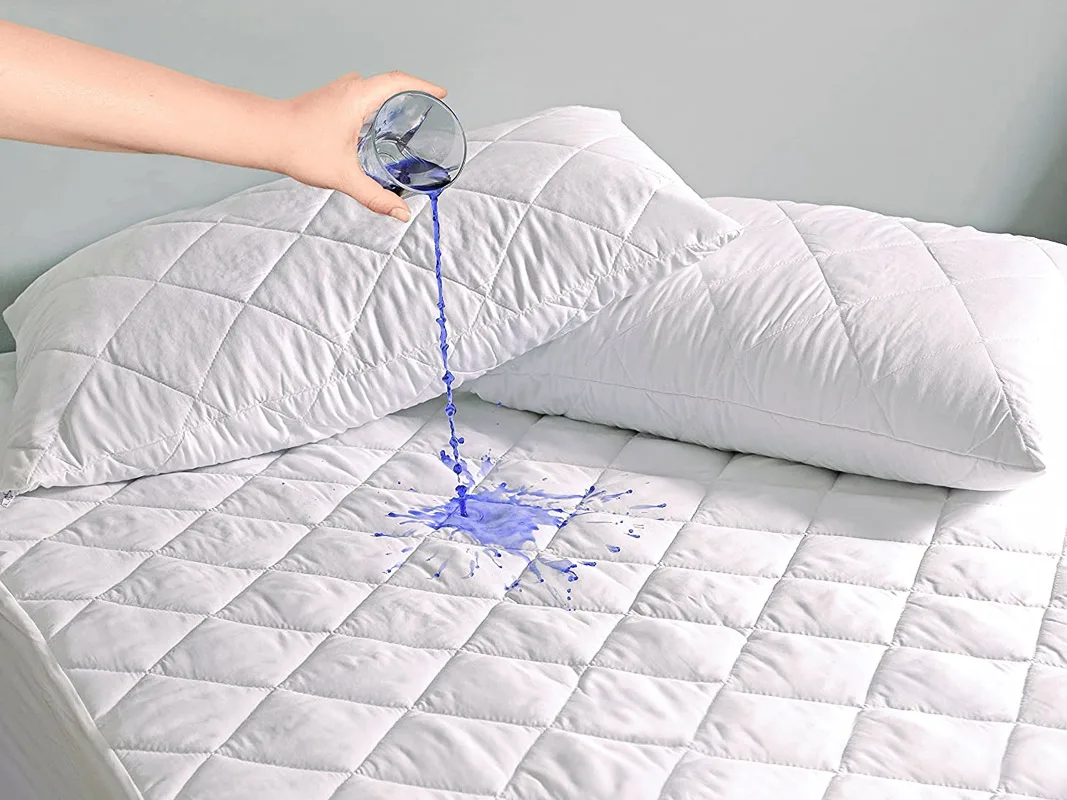
Waterproof mattress protector: Protects the mattress from spills. It is especially popular in homes with children, for elderly care and among pet owners.
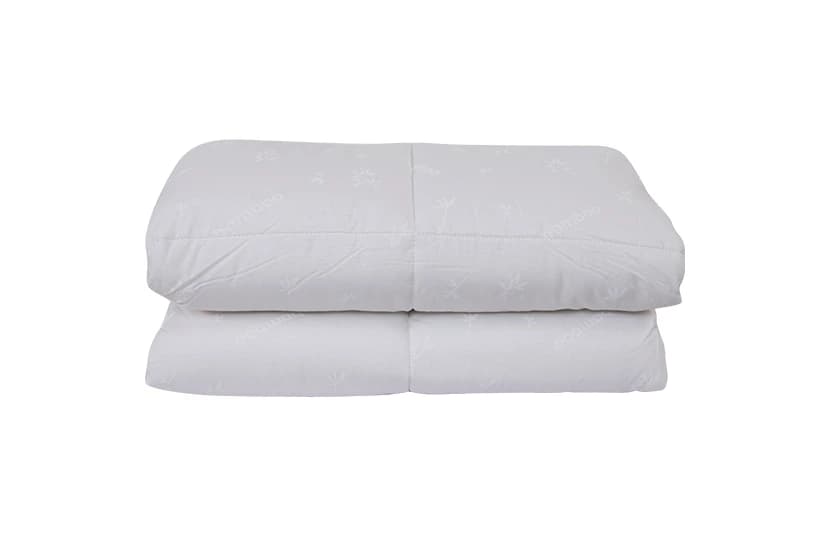
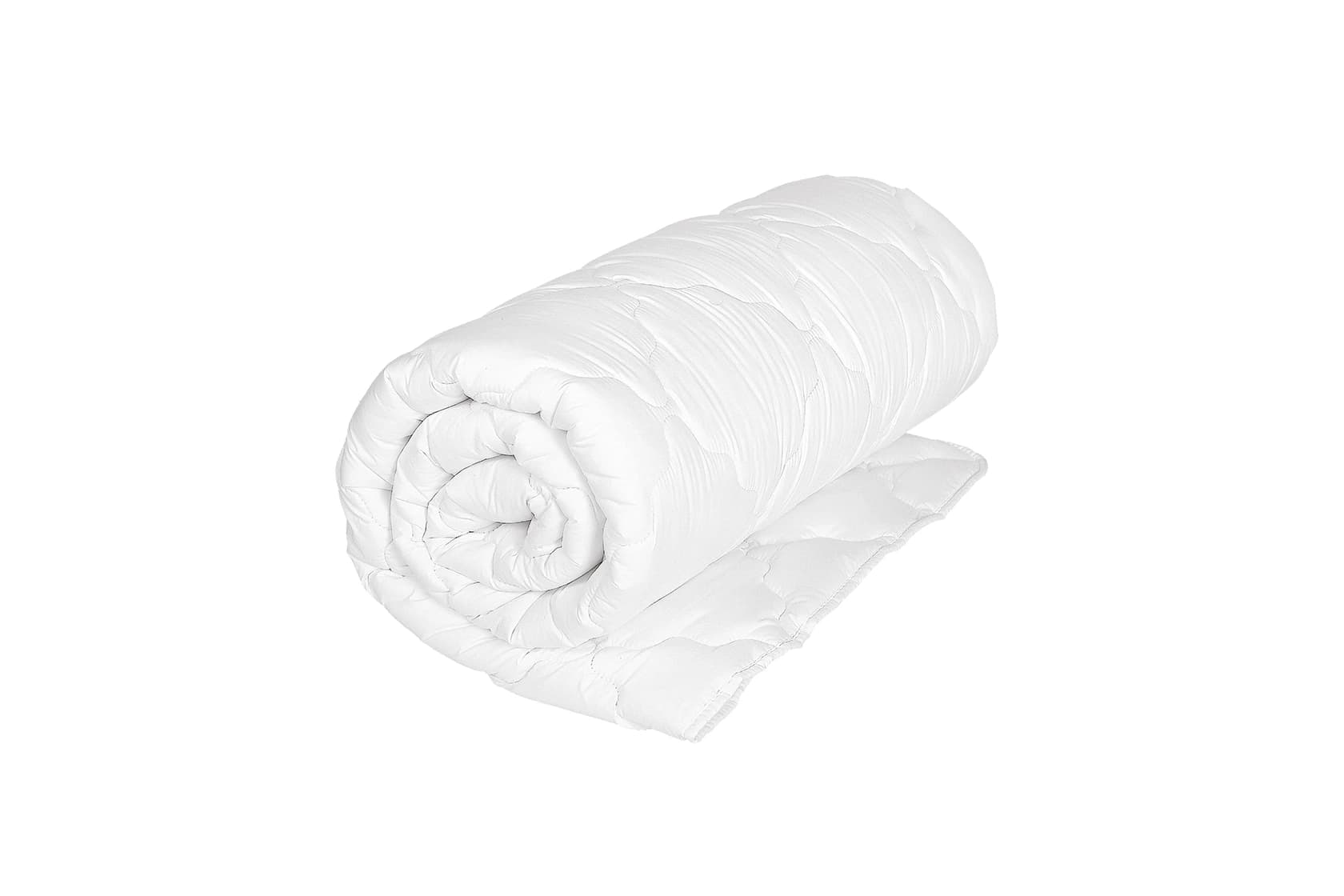
Quilted mattress protector: Its thick construction offers both protection and comfort.
How Do You Wash a Mattress Protector?
Clean your mattress protector regularly to maintain a hygienic sleeping environment.
Vacuum your mattress protector regularly: Vacuum away dust and debris that have accumulated on the surface before washing it.
Use homemade natural cleaners: A natural cleaner made with water, white vinegar and lemon juice is effective and will not damage the fabric.
Remove stains carefully: Spray a little of the natural mixture onto the stain, leave it for 10-15 minutes, then wipe with a damp cloth.
When machine-washing your mattress protector, keep these points in mind:
Use your machine's delicate cycle.
Use cold or lukewarm water.
Use a low spin speed.
When washing waterproof mattress protectors, avoid high temperatures, as they can damage the waterproof membrane. Use a low temperature and a delicate cycle instead.
How Should You Dry a Mattress Protector After Washing?
You can put the mattress protector straight from the washing machine into the tumble dryer. However, to help preserve its shape, place a tennis ball in the dryer while it dries. This helps prevent the filling from clumping.
Stopping the dryer every 15 minutes and removing any lint from the protector will also help it last longer. To air-dry it, lay it flat on a level surface or hang it in the shade.
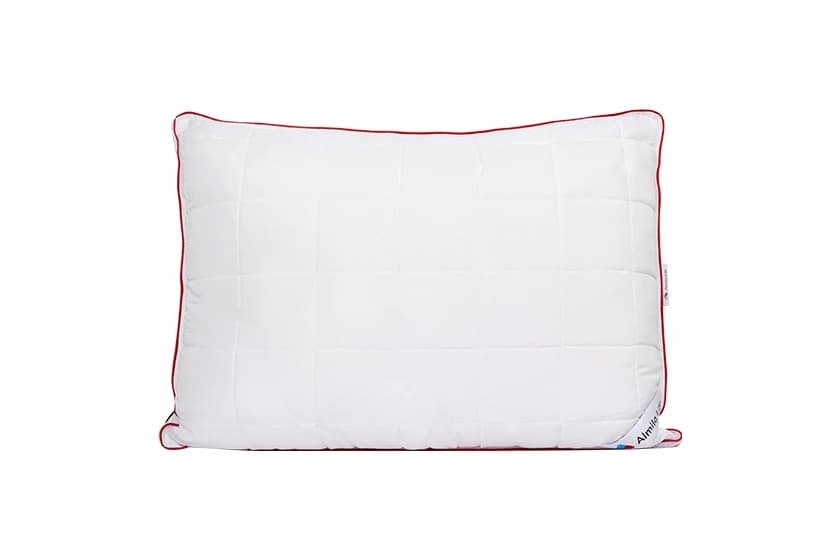
Whether you choose a single, double or fitted mattress protector, selecting the right style for your mattress can help you create a more hygienic and comfortable sleeping environment. The high-quality, durable mattress protectors we make as the Almila family offer excellent mattress protection and enhance your sleeping comfort. With regular cleaning and proper use, you can also extend the life of your mattress and create a healthier living space for yourself.
You May Also Like→ How to Choose a Bedspread?