Care and Cleaning
Why Do Pillowcases Turn Yellow?
Yellowing pillowcases is usually caused by sweat and moisture. Improper washing habits can speed up the process.
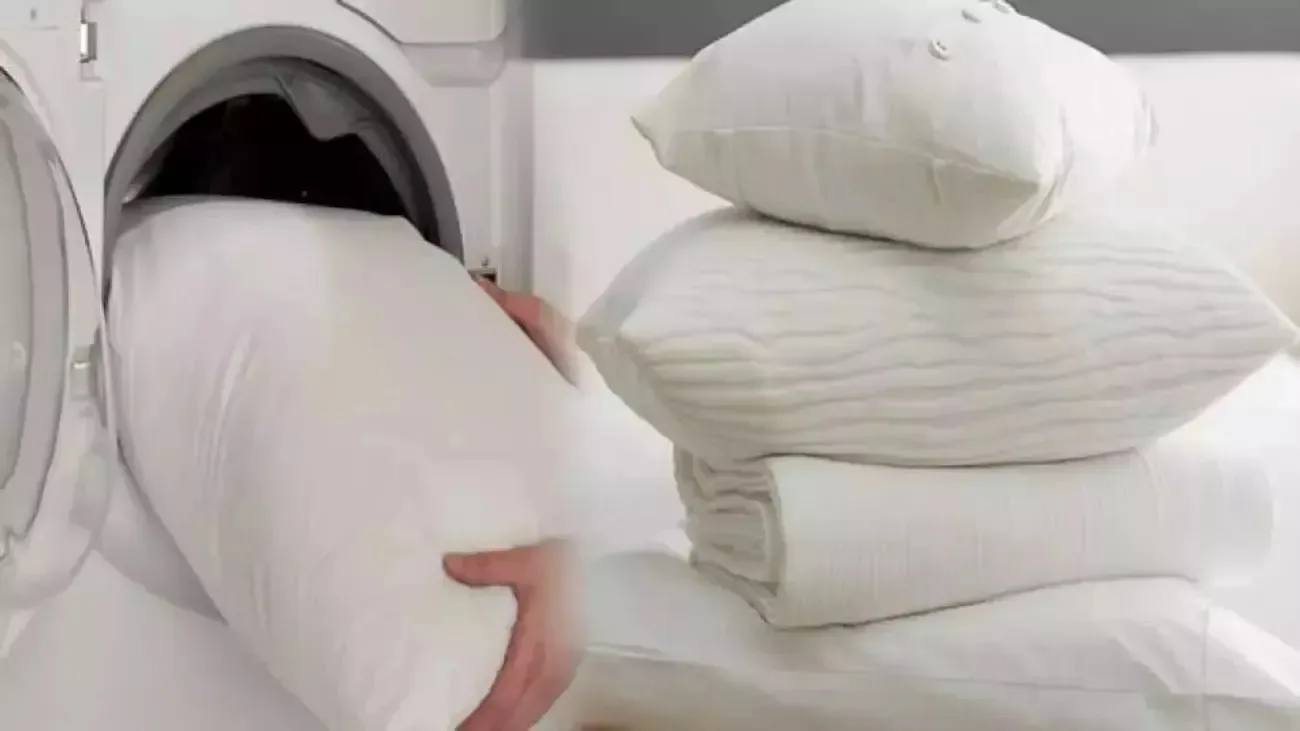
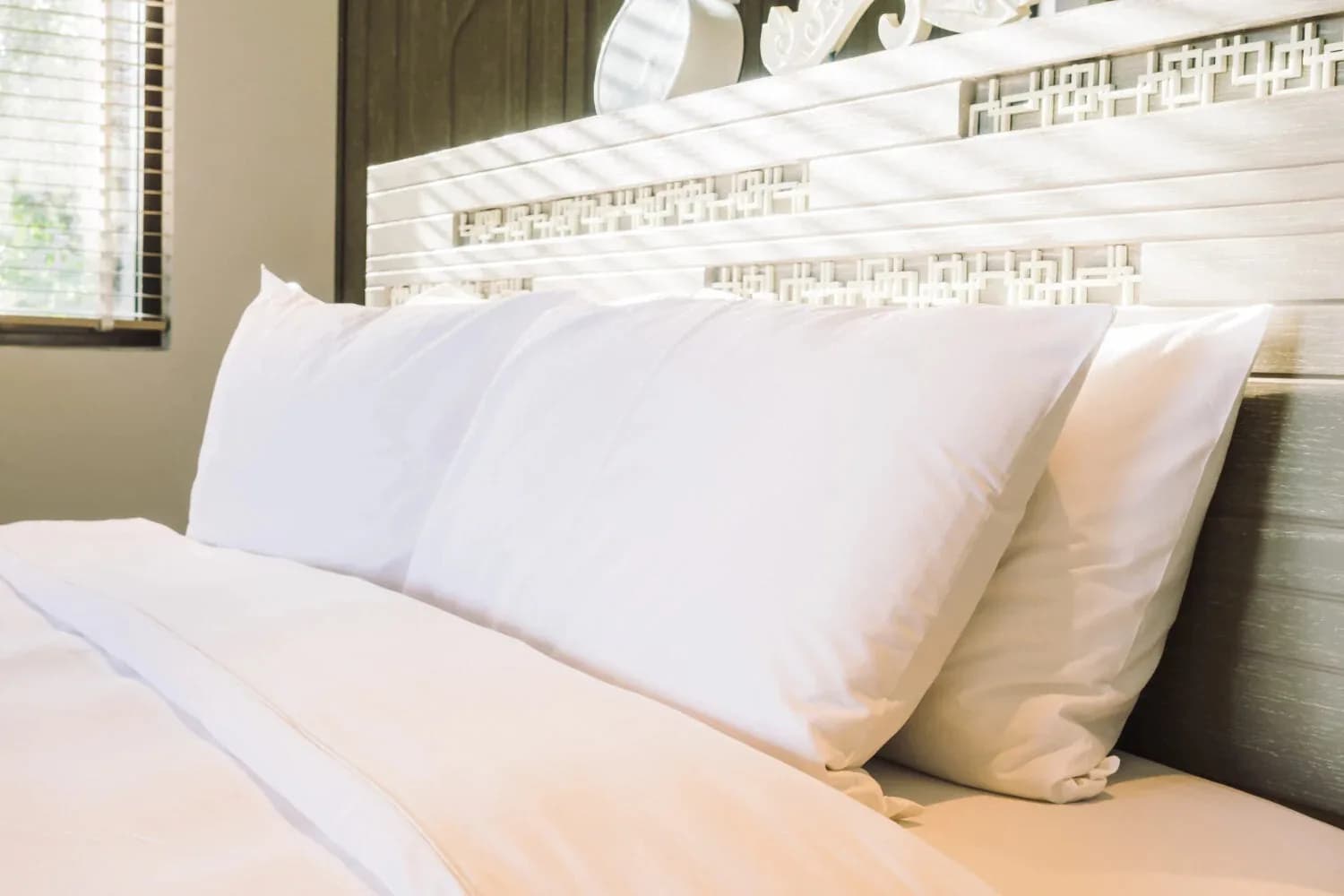
Among home textile products, pillowcases are one of the items we come into contact with most often in daily life and are essential to a comfortable night's sleep. However, despite regular washing and care, they can lose their attractive appearance over time and develop unwanted yellow stains. This discoloration in the pillowcase fabric is usually caused by organic residue and environmental factors penetrating deep into the fibers. Natural-fiber fabrics such as cotton pillowcases are particularly prone to this type of staining due to their absorbent structure, which can negatively affect the overall sense of hygiene in the bedroom.
Yellowing pillowcases are not merely an unsightly issue; they can also indicate the presence of bacteria and allergens that have accumulated on the pillowcase fabric. Even when users change their sheet and pillowcase sets regularly, some stubborn stains can become set in the fabric. To prevent this and establish a more sustainable cleaning routine, it is essential to first identify the main sources of the stains. Choosing the right cleaning methods helps preserve the fabric's original whiteness without damaging its texture. Pillowcases can turn yellow for several reasons:
- Body Sweat and Oxidation: Sweat produced as the body regulates its temperature during sleep contains salt, urea and water. When these components penetrate the fabric, they oxidize upon contact with air, causing pillows to become yellowed by sweat.
- Natural Body Oils (Sebum): Sebum secreted by the scalp and face transfers directly to the pillow surface. Over time, these accumulated oils saturate the fabric fibers and cause persistent yellow discoloration.
- Cosmetics and Personal Care Products: Moisturizers, hair oils, face creams and unremoved makeup residue used in your nighttime routine can cause chemical buildup and discoloration in pillowcase fabric.
- Dead Skin Cells: Microscopic skin cells shed throughout the night combine with bodily fluids to form a layer on the fabric. This organic buildup gradually turns yellow.
- Liquid Penetration and Moisture: Situations such as drooling or going to bed with wet hair allow moisture to reach the pillow's inner filling and leave distinct ring-shaped stains on the pillowcase surface.
How Do You Remove Stains from Pillowcases?
Removing stains from pillowcases requires different steps depending on the source of the stain and the fabric's composition. Since every stain has a different chemical makeup, a standard wash may not always be enough to remove all dirt. The method for removing stains from pillowcases therefore depends on the type of stain. Targeted treatments are needed to achieve effective results without damaging the fabric fibers.
Sweat Stains
Sweat stains are among the most common organic deposits on pillows and can become permanent over time. Using methods that break down proteins and balance acidity helps restore the fabric's original whiteness:
- Pre-Soaking: Before washing, soak a pillowcase yellowed by sweat in a mixture of lukewarm water and white vinegar for about 30 minutes. This helps loosen salt and mineral residue from the fibers.
- Baking Soda Treatment: For stubborn yellowing, apply a paste made from baking soda and water to the stain. Baking soda absorbs odor molecules and helps lighten the yellow discoloration.
- Natural Bleaching Agents: For white cotton pillowcases, adding a little lemon juice to the wash water creates a natural whitening effect.
- Washing Temperature: Once the stain has softened, wash the pillowcase with a quality detergent at the highest temperature stated on the fabric care label (usually 60 degrees).
Blood Stains
Blood stains are protein-based stains that can become permanently set in the fabric if treated incorrectly. The most important rule when removing them is never to use hot water, as this can cook the protein into the fabric:
- Rinse with Cold Water: As soon as you notice the stain, run cold water under pressure through the back of the fabric. This prevents the blood from being pushed further into the fibers.
- Hydrogen Peroxide Treatment: On white pillowcases only, pour hydrogen peroxide directly onto the stain. The foaming reaction lifts the blood out of the fabric.
- Salt and Starch Method: For dried stains, sprinkle plenty of salt over the area dampened with cold water and leave it until the moisture has been absorbed.
- Enzymatic Cleaning: Do not put the item in the dryer until the blood stain is completely gone. If a trace remains, repeat the treatment in cold water with an enzyme-based stain remover.
Oil Stains
Oil stains caused by body oils and cosmetics repel water and require special solvents. Follow these steps to break down the oil and remove it from the fabric:
- Grease-Cutting Agents: Pour clear dish soap directly onto the stain. Dish soaps are formulated to break down the molecular bonds in grease.
- Absorbent Powders: Sprinkle talcum powder or cornstarch over fresh oil stains to absorb most of the oil before it penetrates the fabric.
- Heat Treatment: Unlike blood stains, oil stains dissolve more easily in hot water. After pretreatment, wash the pillowcase at the highest temperature permitted for the fabric.
- Caring for Zippered Pillowcases: If you use a zippered pillowcase, gently brush the zipper area to remove any oil residue that has seeped between its teeth.
Mold Stains
Mold stains are fungal growths that spread rapidly in damp environments and pose a threat to both the fabric's integrity and your health. A sterilization-focused approach is recommended to remove them:
- Cleaning Outdoors: To prevent mold spores from spreading indoors, brush the pillowcase outdoors, such as on a balcony or in the garden, to remove surface mold.
- High Heat and Borax: To kill mold, add borax or bleach (for whites) to the wash water and wash at a temperature of at least 60 degrees.
- Drying in Sunlight: After washing, hang the pillowcases in direct sunlight. Ultraviolet rays kill any remaining mold spores and provide natural disinfection.
- Moisture Control: Never put a pillowcase on a pillow or store it until the fabric is completely dry.
How Can You Prevent Pillowcases from Turning Yellow?
Since pillowcases generally turn yellow through gradual buildup, small improvements to daily habits can significantly extend the life of your bedding. Measures taken to preserve the fabric's original whiteness and texture not only offer an aesthetic benefit but also help ensure the highest standards of sleep hygiene. Here are some ways to prevent dirt and oil from building up on pillowcase fabric:
Use a Pillow Protector: Placed between the pillow and its outer cover, pillow protectors are the most effective barrier against bodily fluids and sweat penetrating the pillow filling. A waterproof yet breathable layer can go a long way toward preventing yellowed pillowcases.
Set a Regular Washing Schedule: Change pillowcases regularly rather than waiting for visible stains to appear. Washing cotton pillowcases at least once a week, or twice a week if you sweat heavily, prevents oils from settling into the fibers.
Cleanse Your Skin Before Bed: Washing your face before bed is essential to reduce the sebum and cosmetic residue transferred to your pillowcase overnight. Removing excess oil from the skin minimizes the organic buildup on the pillow surface.
Take Care of Your Hair: To prevent natural oils from your scalp transferring to the pillowcase, keep your hair clean. If you use very oily hair products, consider covering your hair with a suitable cap.
Make Sure Items Dry Completely: Do not put a sheet and pillowcase set away in a cupboard or put it on a pillow until it is completely dry. Damp fabrics can encourage not only yellowing but also mold and bacteria growth.
Air Out Your Bed Regularly: Airing your bed every morning helps release moisture that accumulates between the fabric fibers overnight, slowing the oxidation process.
A hygienic sleep environment is possible with the right care techniques and quality fabric choices. Yellowing on pillowcases can be kept under control with regular cleaning and protective measures, helping your pillows last longer. At Almila Mobilya, our 100% cotton pillowcase products minimize perspiration thanks to their naturally breathable structure, offering a fresher, cleaner sleep experience. Choose high-quality textile products to enhance bedroom comfort with solutions that are both beautiful and functional.
You May Also Like→ Why Choose a Cotton Duvet Cover Set?