
Sleep and Beds
What Is an Orthopedic Pillow?
An orthopedic pillow supports proper neck and spinal alignment for a healthier sleep experience. Click to discover the benefits of orthopedic pillows and more!

The fast pace of modern life, long working hours and stress take a physical toll on us by the end of the day. The most critical period when our bodies repair this wear and tear, our muscles renew themselves and our minds rest is undoubtedly sleep. For a high quality of life, how restorative and healthy our sleep is matters far more than how long we spend asleep. The wrong mattress, poor-quality bedding and, above all, an unsuitable pillow that does not support your body’s anatomy can directly sabotage sleep quality. When the spine remains in the wrong position throughout the night, we start the day with pain and fatigue, feeling as though we have not slept at all. Choosing the right sleep essentials is vital to prevent these physical issues and create the restorative environment our bodies need.
Special sleep products designed using scientific research to meet these anatomical needs and preserve the spine’s natural position during sleep are known as orthopedic pillows. Traditional fiber, feather or cotton pillows flatten under the weight of the head, leaving the neck unsupported. This causes the neck muscles to remain strained throughout the night. By contrast, these specially engineered products perfectly fill the anatomical spaces around the head, neck and shoulders. Today, orthopedic pillows are an essential part of healthy living not only for people undergoing treatment for chronic conditions, but also for anyone who wants to help prevent herniated discs, loss of the neck’s natural curve and postural problems in the future. The way to start your day feeling energized, pain-free and fully refreshed is to take this important step toward improving your sleep quality.
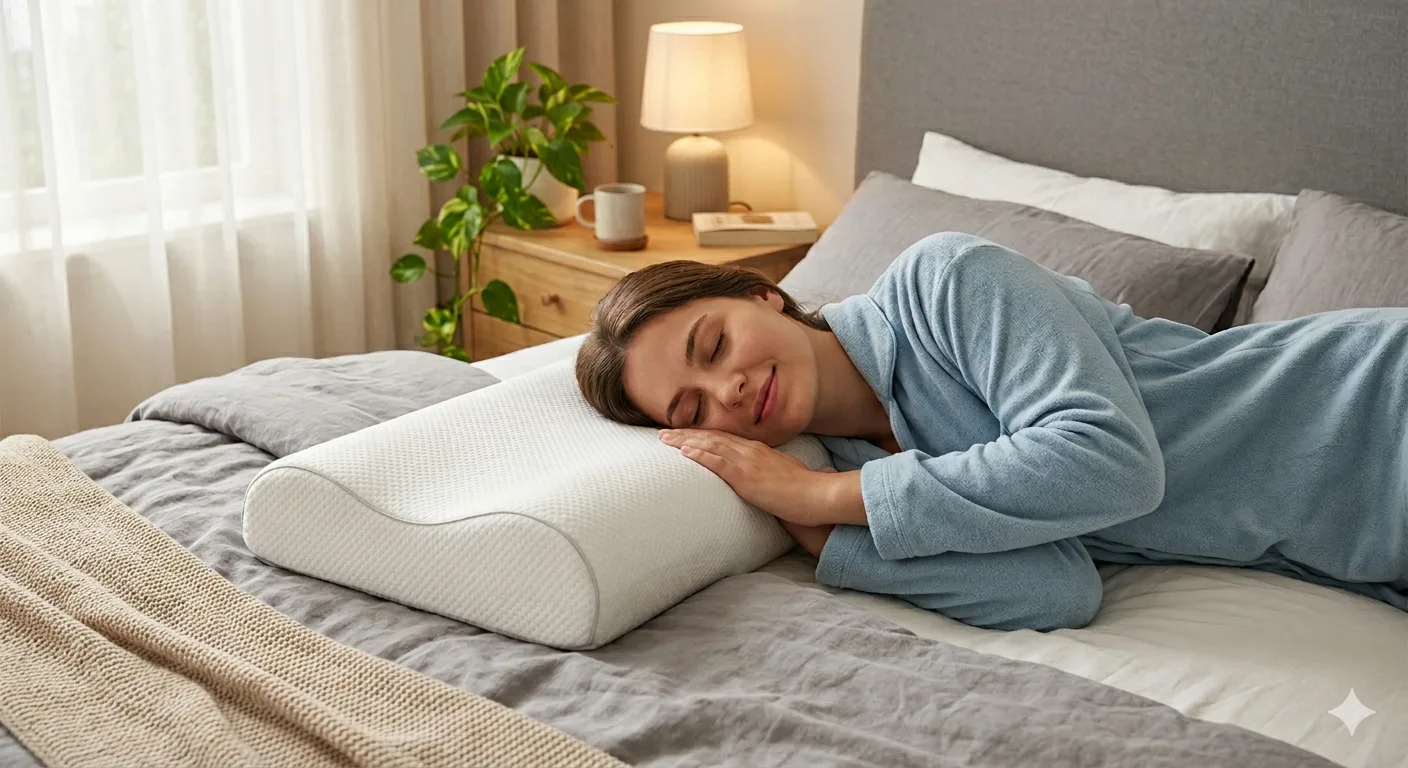
Benefits of an Orthopedic Pillow
Choosing the right, high-quality orthopedic pillow for your neck does more than ensure a comfortable night's sleep; it is also an excellent investment in your long-term muscle and bone health. The key benefits of these pillows, which balance pressure points across the body, include:
- Maintains Natural Spinal Alignment: Throughout the night, your head and neck need to remain at the right angle in relation to your body's axis. These pillows support the natural "C"-shaped curve (lordosis) in the neck, relieving the load on the vertebrae and helping your entire body stay properly aligned.
- Minimizes Muscle and Joint Pain: With ordinary pillows, the neck muscles stay tense until morning to support the head. Models that provide anatomical support distribute the weight of the head evenly across the surface. This allows the muscles to relax completely, significantly reducing common morning complaints such as a stiff neck, tight shoulders and back pain.
- Optimizes Blood Circulation: Excessive pressure on certain points around the head and neck can slow blood flow through the capillaries. A specially designed structure that relieves pressure allows circulation to continue smoothly and comfortably. With more oxygen reaching your cells, you wake up feeling much more refreshed.
- Promotes Longer, Uninterrupted Deep Sleep: One of the main reasons our sleep is frequently interrupted is that the body feels uncomfortable and constantly needs to turn from side to side. With the right support, the body quickly finds its ideal position, minimizing movements and allowing you to spend longer in the REM and deep-sleep stages when the body repairs itself.
- Helps Ease Snoring and Breathing Problems: The wrong pillow can cause your head to tilt too far back or your chin to move too close to your chest, narrowing your airways. Ergonomic designs keep the head and neck at an ideal angle, helping keep the airway open. This can reduce snoring and help ease the symptoms of sleep apnea.
- Helps Reduce Headache Episodes: Tension headaches, particularly those caused by strain in the neck and nape muscles, can be directly triggered by the wrong pillow. Support that relieves pressure on the cervical vertebrae can ease pressure on the nerve roots and reduce how often these headaches occur.

How to Use an Orthopedic Pillow
To get the most out of their purchase and protect their anatomical health, users should follow the guidelines for using an orthopedic pillow. Unlike traditional pillows, orthopedic pillows do not have a completely flat shape. They are made with a specially ergonomic design, with one side higher than the other and a contoured shape. The most common mistake is placing the flat or lower part of the orthopedic pillow under the neck. To use it correctly, place the higher, curved outer edge of the pillow directly beneath the hollow of your neck. This curve is designed to fill the anatomical space beneath your neck and support your cervical vertebrae.
The lower, indented area in the middle of the orthopedic pillow is where the back of your head should rest. Align your head and neck correctly in this area according to your sleeping position. If you sleep on your back, the pillow’s raised contour should support your neck while your head rests comfortably in the central hollow. Your chin should not bend toward your chest in this position. If you prefer sleeping on your side, the higher side of an orthopedic pillow with neck support should completely fill the space between your shoulder and neck. As you settle into this position, make sure your ear, shoulder and hip form a straight line across the bed. When you position your orthopedic pillow correctly, you can fully experience all its benefits.
Who Should Use an Orthopedic Pillow?
Anyone looking to boost their energy for life with a more restful, deeper and healthier sleep can confidently choose these pillows. For some, however, using an orthopedic pillow with neck support is not just a preference but a medical necessity to protect their physical health. Those who should consider using one first include:
- People with Chronic Neck Herniations or Loss of the Neck’s Natural Curve: People with anatomical deformities, herniated discs or a loss of the natural curve in their cervical vertebrae should never leave their neck unsupported while sleeping. These pillows reduce pressure on the discs between the vertebrae, support the treatment process and ease nighttime pain.
- People Who Work at a Desk or Computer: Professionals who look at screens with their heads tilted forward, use phones or sit for long periods can develop postural problems known as "tech neck." Proper support is essential to let neck muscles recover from the strain and tension built up during the day.
- Those Who Wake Up Tired and Stiff: If you sleep for long enough but still wake up with a heavy feeling in your body, stiffness in your muscles and pain in your joints, you are not getting proper rest. This is the first solution to consider if you want to sleep more comfortably and wake up feeling energized.
- People Who Exercise Intensely and Athletes: After strenuous workouts or physical labor, muscle fibers need to relax completely to repair themselves. Orthopedic surfaces allow muscles to rest in their most natural position without strain, helping speed up the body’s recovery process.
- People Who Snore or Experience Interrupted Breathing: People who snore or experience pauses in their breathing because their airways narrow during sleep can benefit greatly from these anatomical designs, which ease breathing by keeping the head and neck at the right angle.
- Older Adults: As we age, wear and tear can affect the spine, joints and cartilage. An orthopedic pillow should be used as supportive protection to maintain sleep quality and soothe sensitive joints in later life.

What to Consider When Choosing an Orthopedic Pillow
With so many brands, models and materials on the market, finding the option that suits you best can sometimes be confusing. A poorly chosen product may make your pain worse instead of helping. That’s why you should carefully consider these key criteria when shopping:
- Your Main Sleeping Position: The most important factor when choosing a pillow is the position you usually sleep in. If you mostly sleep on your side, choose a high orthopedic pillow that completely fills the space between your shoulder and neck and prevents your head from drooping. If you prefer sleeping on your back, a design with a medium or lower contour that does not raise your head too much will be ideal.
- Firmness and Density: A pillow’s firmness determines how much support it provides for your spine. If you do not like your head sinking into the pillow, want your neck held firmly in place or have a heavier build, opt for firm orthopedic pillow models. Those with a lighter build or who prefer a softer feel can choose a medium-firm pillow.
- Material Used in Its Construction: The pillow filling directly affects its comfort and lifespan. Visco materials that respond to heat and pressure and adapt to the shape of your body are excellent at providing micro-support. If you prefer a natural material, choose latex products, which are highly flexible and breathable. A porous structure promotes airflow, helping prevent you from sweating through the night.
- Your Neck and Shoulder Measurements: Everyone’s anatomy is unique. The pillow height needed by someone with broad shoulders and a long neck will not be the same as that of someone with a petite build and a short neck. Make sure the height of the pillow’s contour (typically available in options such as 10-12 cm) is a good match for your own measurements.
- Cover Quality and Hygiene Features: The outer cover, which comes into direct contact with your skin, should be washable, zippered and hypoallergenic. Covers made from natural fibers such as bamboo and cotton allow your skin to breathe, protect against dust mites and create a hygienic sleep environment.
Frequently Asked Questions (FAQ)
Can an Orthopedic Pillow Help with Neck Pain?
Yes, orthopedic pillows are highly effective in easing and preventing neck pain. Traditional pillows leave a gap beneath the neck, causing the muscles to remain strained throughout the night and leading to pain. Orthopedic designs fully support the neck’s curve and bring the spine into ideal anatomical alignment, relieving all pressure and tension on the muscles. As a result, morning pain and muscle stiffness caused by poor posture are greatly reduced.
Are a Visco Pillow and an Orthopedic Pillow the Same Thing?
No. Although these two terms are often confused, they refer to entirely different things. "Orthopedic" describes the pillow’s design, ergonomics and purpose of supporting the body’s anatomy. "Visco" is the name of the smart foam material used to make these pillows, developed using space technology and responsive to heat and pressure. A pillow can be made from visco material and also have an orthopedic design.
How Long Does It Take to Get Used to an Orthopedic Pillow?
After using traditional soft or flat pillows, it usually takes 7 to 10 days for your body to adapt to the new, healthier sleeping position offered by an orthopedic design. For the first few nights, the pillow may feel unusually firm, high or uncomfortable. This is completely normal: your neck muscles may be resisting as they adjust to the correct alignment after years of being used to the wrong position. Once you patiently get through this temporary adjustment period, your muscles will relax and you will realize how uncomfortably you slept on your old pillows.
Making sleep, which directly affects our quality of life, more restorative starts with giving our bodies the care they deserve. Choosing the right orthopedic pillow not only provides a comfortable night’s sleep; it also helps protect your spine, neck and shoulder health over the long term. When you choose an orthopedic pillow with neck support that suits your anatomy and sleeping position, and position it correctly, your sleep will become more restful after a brief adjustment period, and you will wake up feeling fully refreshed. To start your day with more energy, free from pain and feeling revitalized, make this anatomical support part of your sleep routine today.
You May Also Like→ What Is Loss of the Neck’s Natural Curve? - Pillow Recommendations for Young People with Loss of the Neck’s Natural Curve