
Sleep and Beds
Mattress Recommendations for Healthy Sleep
Choosing the right mattress is essential for spinal support and comfort, helping you enjoy healthy sleep. Choose models suited to your body type and sleeping position.
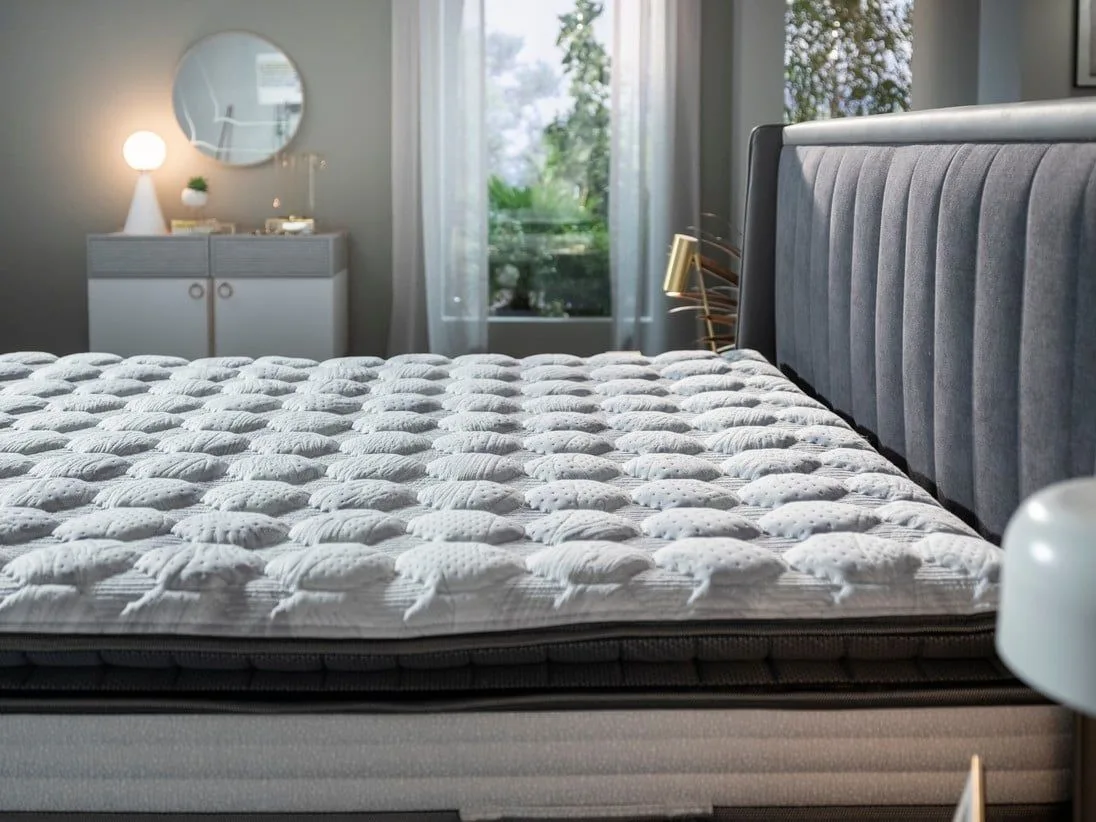
Sleep, which accounts for approximately one-third of a person’s life, is an extensive restorative process during which the mind is cleared and cells are renewed. In today’s fast-paced world, quality sleep is no longer a luxury but an essential need for maintaining mental clarity and supporting physical health. Yet although we often blame poor nutrition or stress for the chronic fatigue we feel in the morning, the real culprit may be the surface we lie on every night. Mattress choice, which affects everything from spinal health to mood, is one of the most important investments in our quality of life.
A mattress’s primary function is not simply to provide a soft surface, but to support the body’s natural contours and allow the muscles to relax completely. An ideal mattress should distribute body weight evenly across its surface and help the spine maintain its distinctive “S” shape throughout the night. Sleeping on the wrong surface can disrupt the body’s natural balance, leading to a wide range of health issues, from back and neck pain to poor circulation.
If you wake up with stiff muscles instead of feeling refreshed, your current mattress may be past its prime or use technology that isn’t right for you. Remember, choosing the right mattress is about more than enjoying a comfortable night’s sleep—it also allows your body to complete its biological renewal process without interruption.
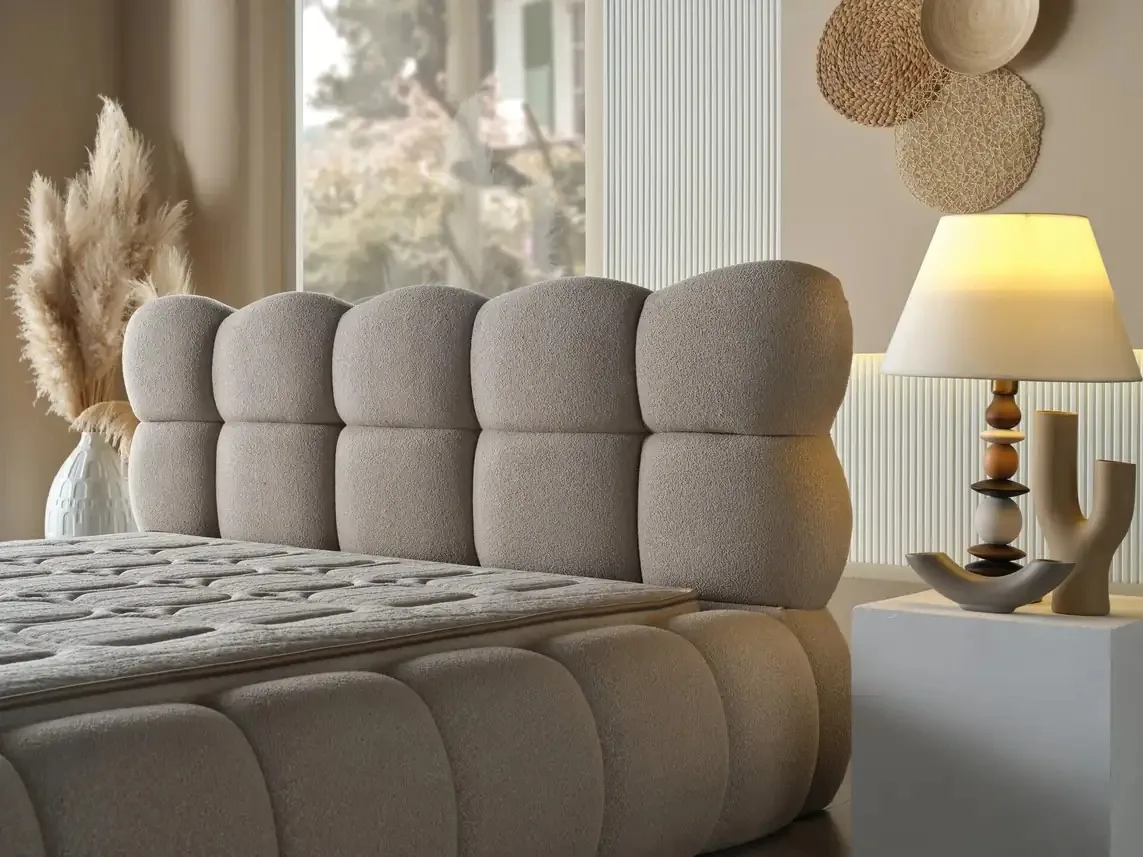
What Should You Consider When Buying a Mattress?
Sitting on a mattress in the store for just a few seconds isn’t enough to test it properly. To make the right investment, consider not only comfort but also the mattress’s technical features and your sleep habits. Keeping the following points in mind as you look for the ideal sleep surface can help you make the most of your choice:
In-Home Trial Period: Take advantage of trial periods of up to 100 days offered by modern brands. Since it takes an average of 3–4 weeks for your body to adjust to a new surface, you can only understand a mattress’s true benefits after using it at home for an extended period.
Support for Your Body Type: Make sure the model you choose has a firmness level suited to your weight and body type. Models that distribute body weight evenly help minimize joint and muscle pain in the morning.
Pillow and Mattress Combination: Always choose your pillow based on your mattress’s firmness. A pillow that is too high or too low can put your neck health at risk, even on the highest-quality mattress.
Suitable for Your Sleep Position: Choose technologies such as pocket springs, visco foam or latex that help maintain the spine’s natural “S” curve, based on whether you sleep on your back, side or stomach.
Firmness Level: Contrary to popular belief, the idea that “a very firm mattress is always best” is wrong. Firmness should be suited to your weight and sleeping position.
Quality of life depends on a good sleep surface just as much as it does on a balanced diet and physical activity. Once you find the model best suited to your body and habits, you’ll start your mornings not just awake, but truly “renewed” on a biological level.
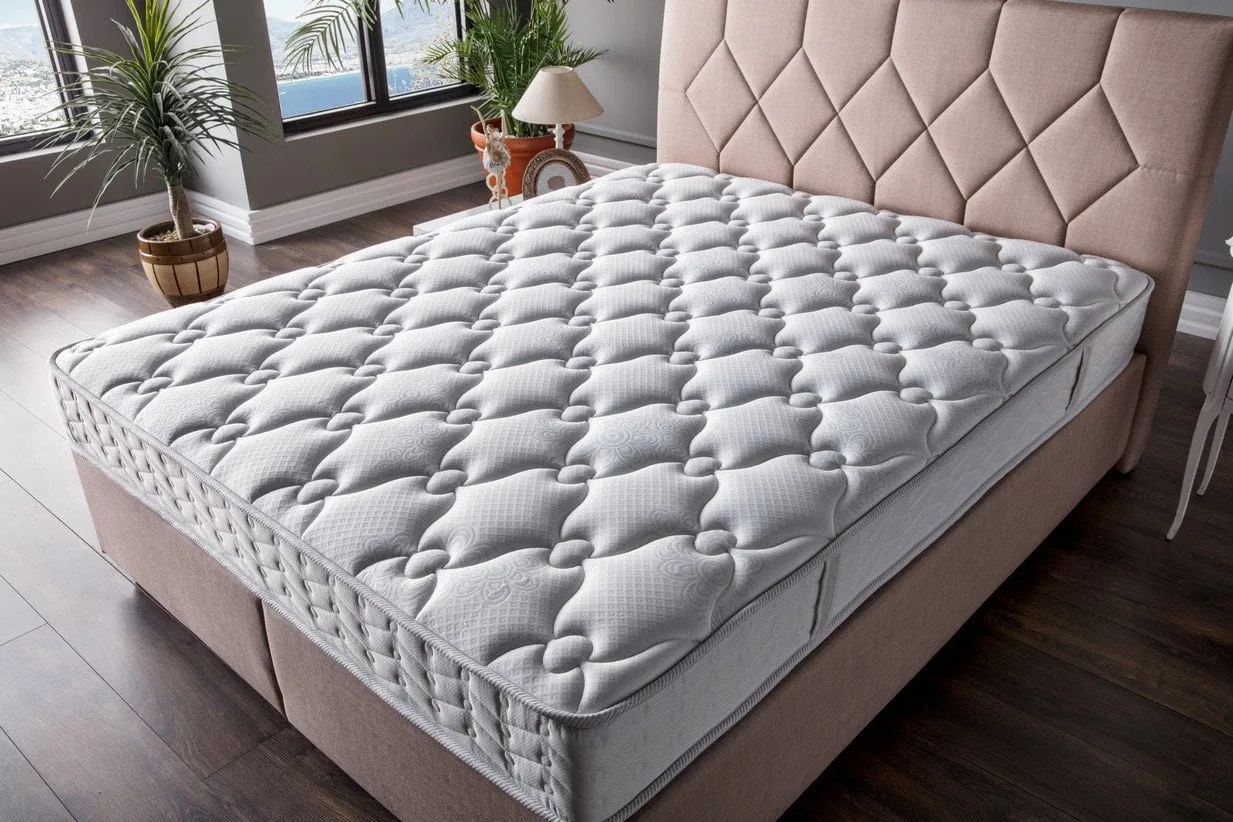
What Features Should a Suitable Mattress Have for Each Age Group?
Our bone structure and support needs change at every stage of life. That’s why age should always be considered when choosing a suitable mattress.
Babies and Children: Mattresses shouldn’t be too soft, as they need to support developing bones. Relatively firm yet flexible surfaces are preferable to support healthy spinal development.
Young Adults (18-35 Years): This age group is typically energetic and leads an active lifestyle. Orthopedic models that help muscles recover quickly and keep the spine in an ideal position are a popular choice. Expert mattress recommendations for this group often point to hybrid technologies that regulate body temperature. Create the perfect bedroom with Almila teen room furniture.
Adulthood and Older Age: Joint pain and circulation problems may increase with age. At this stage, pressure-relieving visco mattresses or soft latex surfaces that contour to the body can ease the load on joints and provide a more comfortable night’s sleep.

How Do Body Weight and Sleep Position Affect Your Choice?
Your weight determines the amount of pressure you place on a mattress. For example, a lighter person may feel as though they’re “sleeping on concrete” on a very firm mattress, while a heavier person may find that a very soft mattress causes them to “sink in,” potentially straining the spine.
In addition, your sleep position—the most important element of a good night’s sleep—is a key factor in determining the firmness of the mattress you choose:
Side Sleepers: The shoulders and hips need room to sink into the mattress, while the waist needs support. Medium-soft mattresses are ideal.
Back Sleepers: Medium-firm mattresses are the safest choice for maintaining the spine’s natural curve.
Stomach Sleepers: Firmer surfaces are preferable to prevent the neck and lower back from bending excessively.
Choosing the right mattress is more than just buying a piece of furniture—it’s a strategic step toward better physical health, mental performance and overall quality of life. Whatever your age, weight or sleep position, you’ll notice how much more effectively your body can repair itself when it has the right support. Remember, the eight quality hours you spend on your mattress shape the other sixteen hours of your day. Give yourself and your body the care you deserve, and greet every morning feeling more refreshed, healthier and truly “renewed.”
You May Also Like→ Bedroom Decorating Ideas