Children and Family
Back-to-School Advice for Families
The back-to-school period calls for careful preparation, from sleep schedules to stationery shopping. With the right steps, you can protect your budget and get ready for the new term.
· Update:
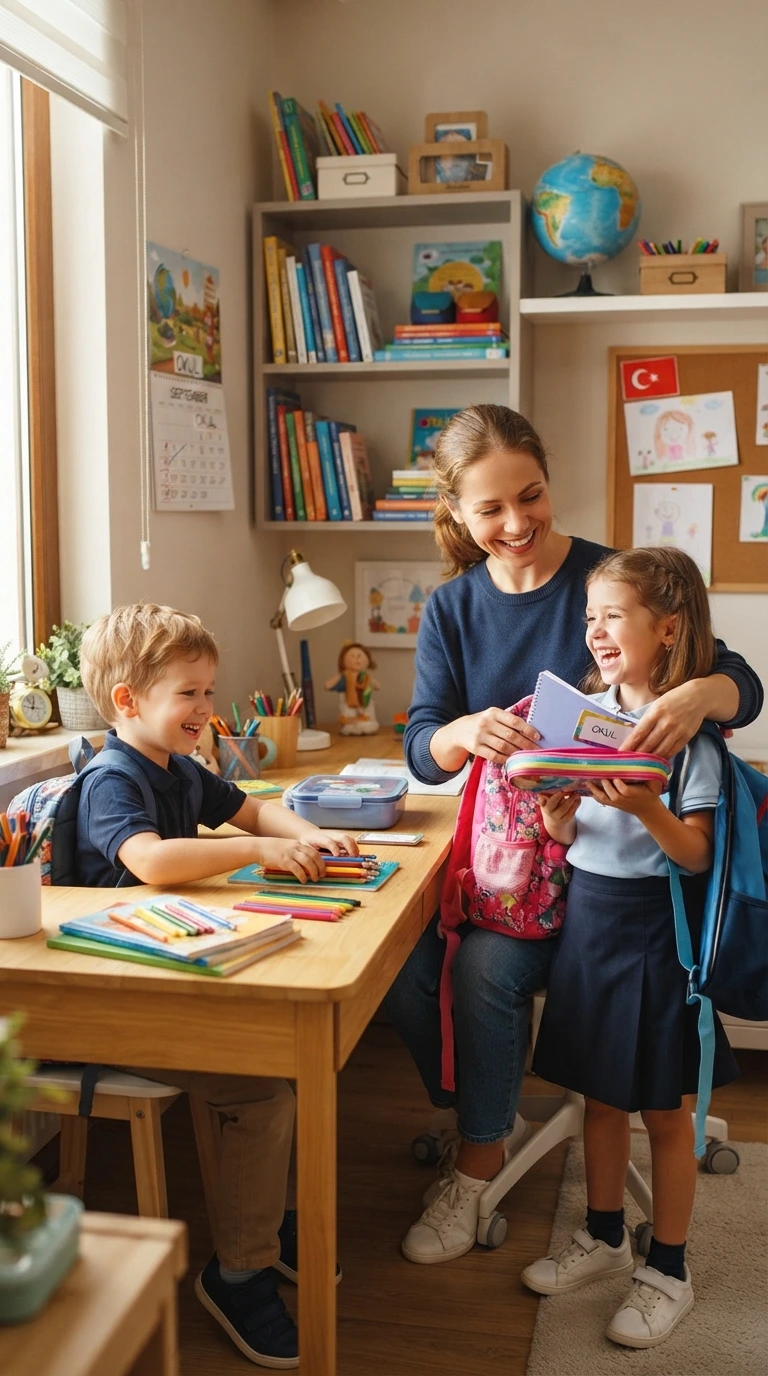
The start of the school year is a time of transition when routines are re-established—not just for students, but for the whole family. The daily rhythm that relaxed over the summer settles into a fixed schedule in September; wake-up times, mealtimes and evening routines all take shape again. Managing this transition well can prevent many of the adjustment issues that arise during the first weeks of the academic year.
For this reason, back-to-school preparation should not be viewed simply as a shopping trip for notebooks and pencils. Gradually re-establishing sleep routines, setting up a dedicated study area at home and completing the shopping list in a planned way are equally important parts of the process. Leaving preparations until the last day makes it harder to manage the budget and can leave students starting the term unprepared.
How to Prepare a Back-to-School Shopping Plan
Effective preparation starts with putting together an accurate list of needs. Shopping without first checking the supplies already at home can lead to unnecessary spending and a buildup of items that soon go unused. Comparing the school's list with what you already have helps protect your budget and make good use of your time. Follow these steps for a well-planned back-to-school shopping trip:
- Make sure you have the complete official list provided by the school.
- Set aside items from last year that are still in usable condition.
- Divide needs into two groups: urgent and those that can wait.
- Plan shopping according to priority rather than buying everything at once.
- Involving your child in the process helps develop a sense of responsibility.
- Shopping during back-to-school promotions can help you save.
How to Create a School Supplies List
The student's grade level directly affects the type of items they need. Basic writing and colouring supplies are essential in primary school, while secondary school students are more likely to need reference books, calculators and digital study tools. For this reason, school supply lists should be tailored to each grade level.
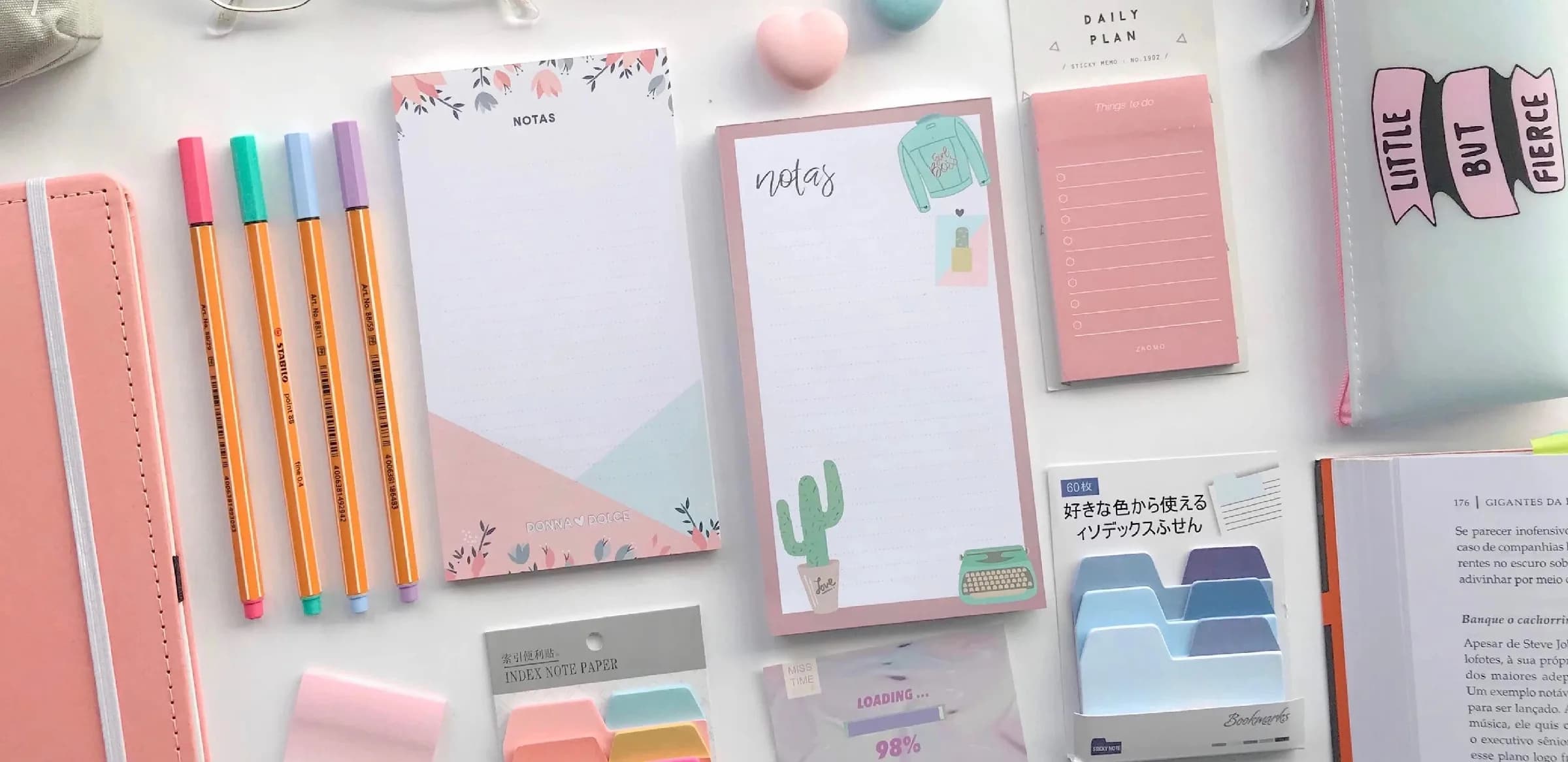
- Primary school stationery list: Pencils, erasers, coloured pencils, notebooks, a pencil case and art supplies.
- School supplies for middle school: Subject notebooks, a geometry set, file folders, a dictionary and reference books.
- High school supplies list: A calculator, reference books, presentation folders and digital note-taking tools.
- Shared stationery supplies: A backpack, lunch bag, water bottle and labels.
- Clothing needs: School uniform, sportswear and weather-appropriate outerwear.
Rather than completing the lists all at once at the start of term, setting aside a small portion of the budget for additional needs that arise during the first week can make the process easier to manage.
How to Establish a Sleep Routine Before School Starts
Sleep schedules that have become more flexible over the holidays can lead to tiredness and difficulty concentrating during the first week of school. For this reason, sleep routines should be gradually adjusted starting around two weeks before school begins. Moving bedtime and wake-up time by 15 to 30 minutes each day, rather than making sudden changes, makes it easier for children to adapt. These practices can help establish a healthy sleep routine:
- Keep bedtimes and wake-up times consistent, including on weekends.
- Limit screen use during the hour before bedtime.
- Adjust the room temperature and blackout conditions to support good-quality sleep.
- Avoid heavy meals in the evening.
- Create a calming bedtime routine, such as reading a book.
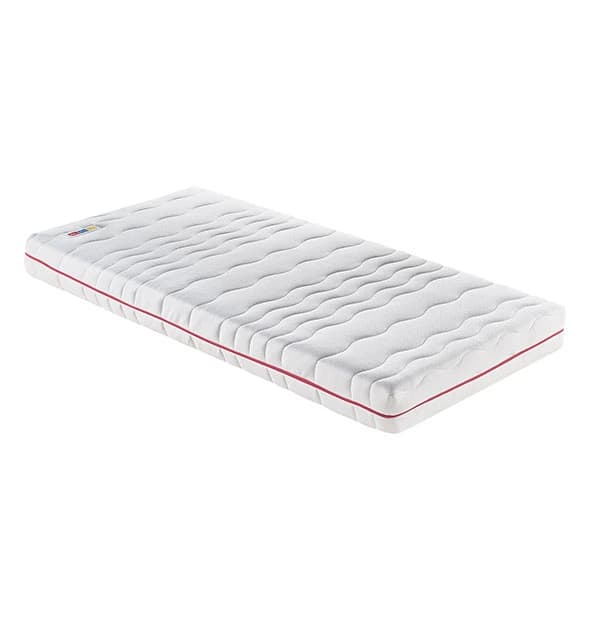
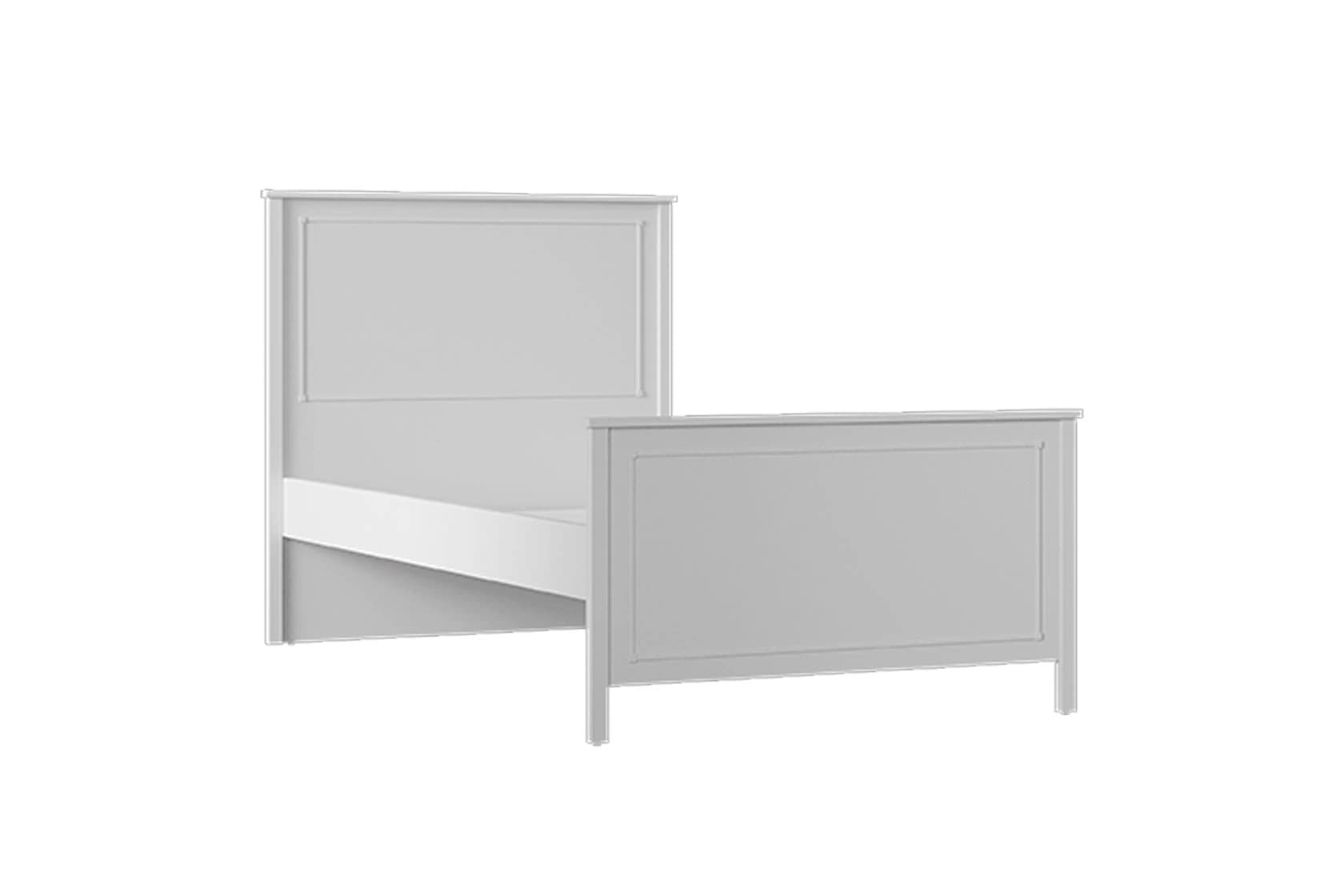
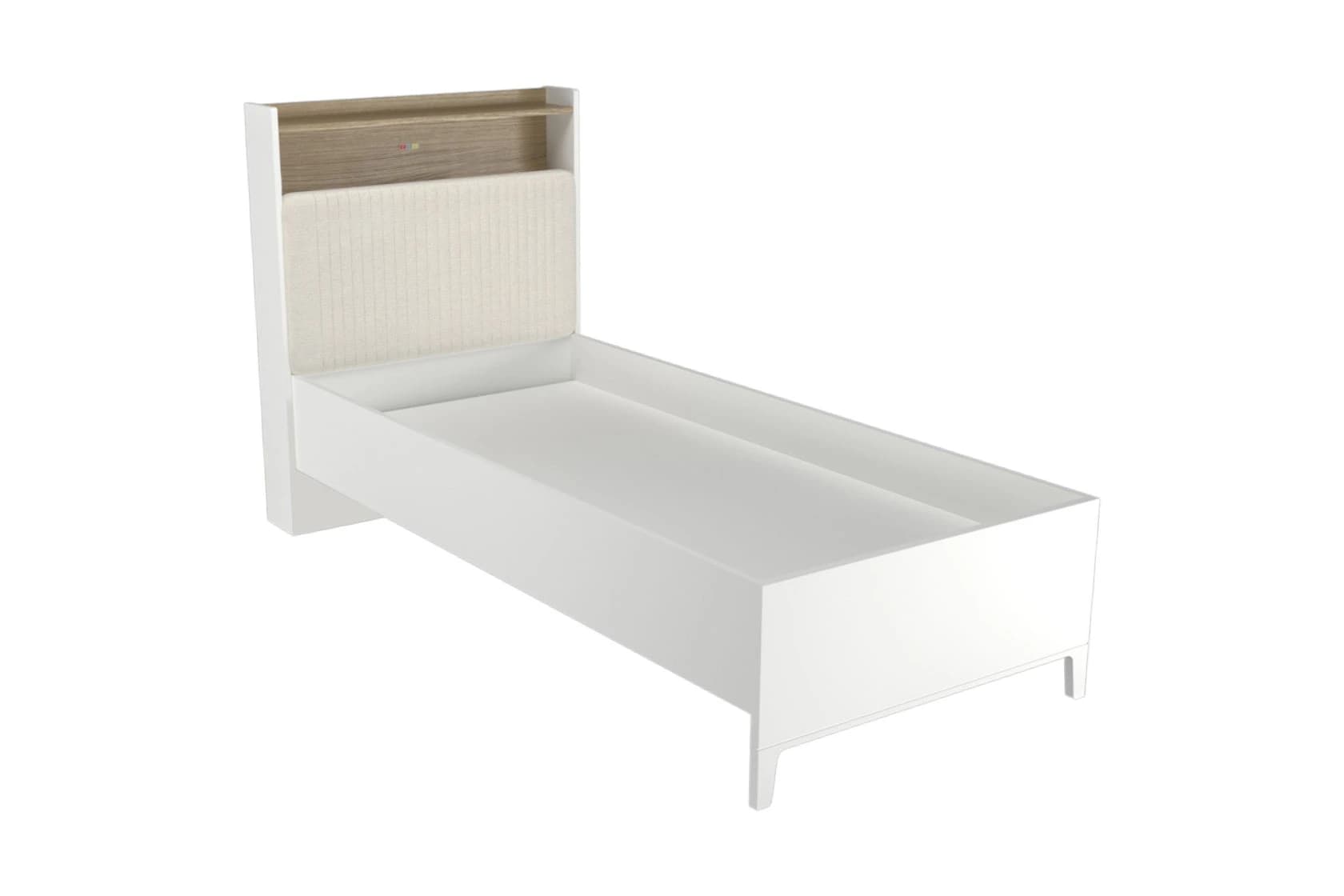
The mattress's level of support and size play an important role in restful sleep. Single-bed options suited to your child's growth and durable bed frame models help maintain a regular sleep routine throughout the academic year.
How to Set Up a Study Area
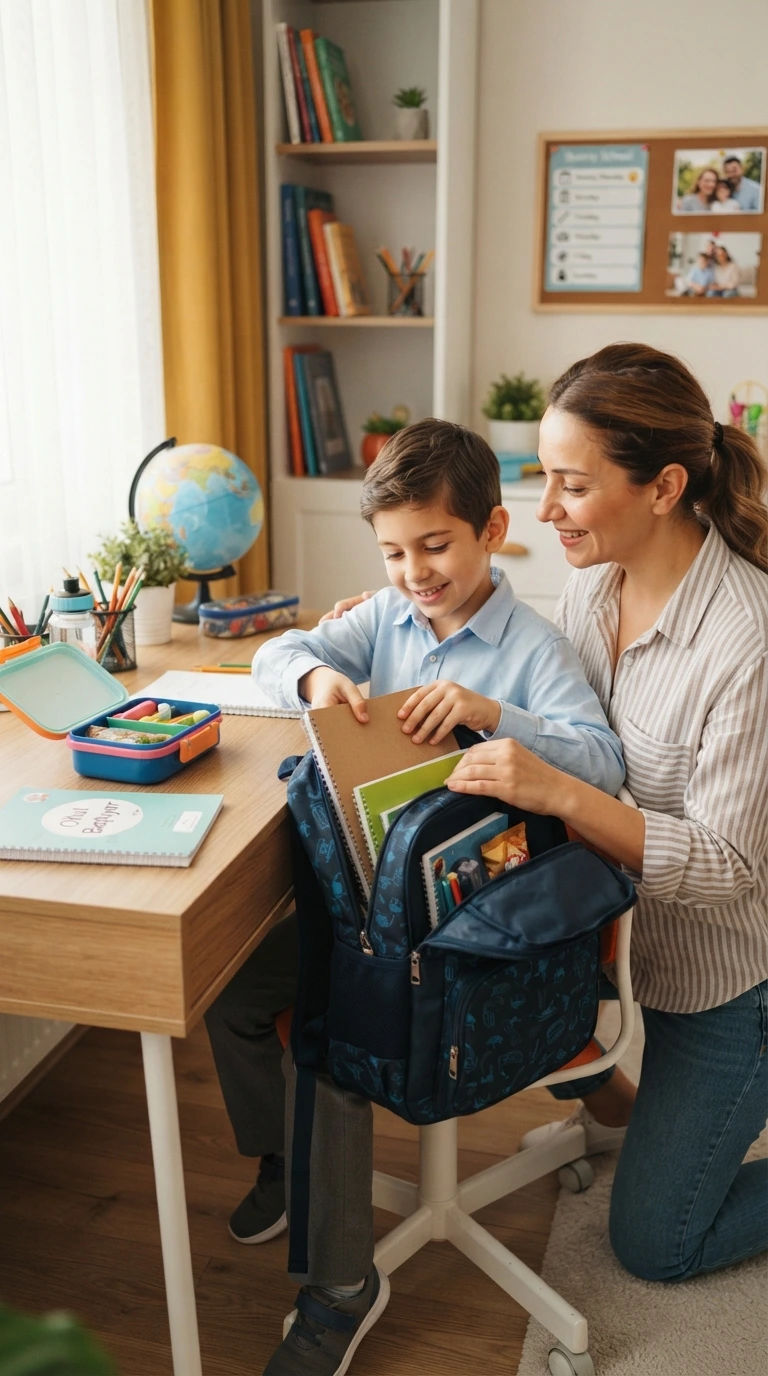
A dedicated, organised space at home used exclusively for studying can significantly increase a student's ability to focus. Studying in bed or at the dining table can lead to poor posture and distractions. The essentials include positioning the study area close to natural light, choosing a desk height suited to your child's stature, and setting up accessible storage for all the necessary school supplies. Keep the following details in mind when preparing a study area:
- Position the desk at a right angle to the window.
- Place the light so the hand used for writing does not cast a shadow.
- Choose a chair with adjustable seat height and back support.
- Arrange bookshelves and shelves within easy reach of the desk.
- Keep non-study items off the work surface.
- Leave enough space behind the desk to organise cables and chargers.
For primary school students, children's room furniture designed to suit their size and safety needs is a good fit, while teen room layouts with a more spacious work surface are a suitable option for middle and high school students.

How to Organise and Look After School Supplies
Supplies that look organised at the start of term can quickly become cluttered if they are not given a systematic place. Assigning a specific place to each item speeds up the morning routine and reduces the number of forgotten supplies. Labelling items also increases the chances of lost belongings being returned at school. Try these methods to keep school supplies organised:
- Assign a separate drawer or box to each group of items.
- Pack the schoolbag the day before, according to the class schedule.
- Label notebooks and books by subject.
- Store stationery in a closed organiser rather than leaving it on the desk.
- Make a quick tidy-up part of your weekend routine.
Emotional Preparation for Families During the Back-to-School Season
A new term can bring anxiety as well as excitement, especially for children starting school for the first time or moving up to a new grade level. A parent's attitude directly influences how the transition is perceived. Navigating the process together rather than putting pressure on your child helps them develop a positive attitude towards school. These approaches can make the transition easier:
- Talk openly about expectations for the new term.
- Don't define success solely by grades.
- A short visit before school starts can help your child get used to the new environment.
- Make time in the daily schedule for free play and rest.
- If signs of anxiety persist, contact the school's counselling service.
Preparing for a new term is not a quick shopping trip, but a comprehensive process carried out with a plan. A well-prepared list, a gradually established sleep routine and a thoughtfully designed study area can make the first weeks of the academic year significantly easier. When school supplies are ready in good time, the budget is used more effectively and students can start the term prepared. Investing in sleep and a study area creates lasting routines that support not just one term, but a student's entire educational journey.
You May Also Like→ What Does Rustic Mean? Rustic Decorating Ideas