Room Guide
What Does Retro Mean? Retro Ideas for Teen Rooms
Retro style combines the colors and patterns of bygone eras with modern touches. It brings an energetic and unique feel to teen rooms. Click for details!
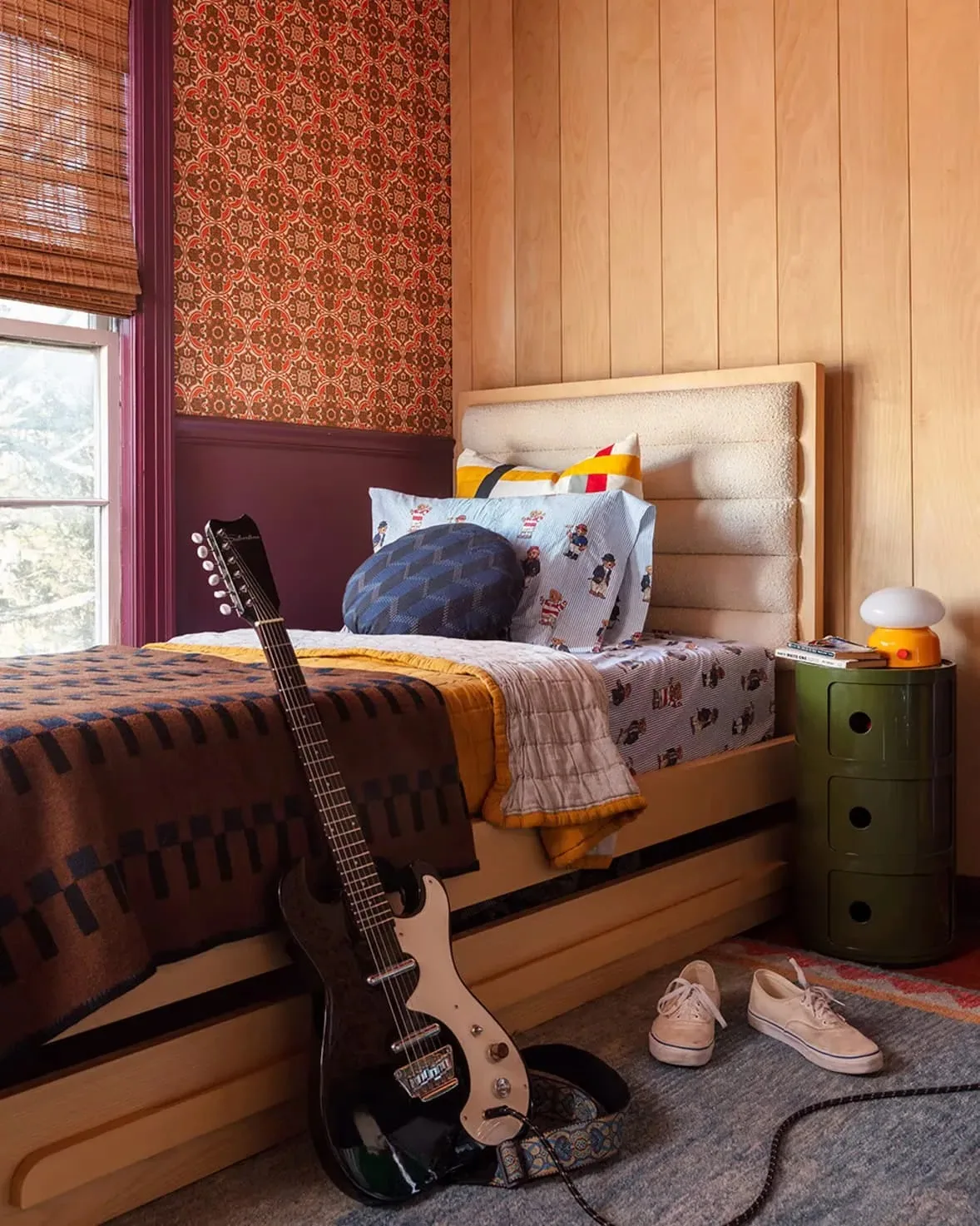
Although the word retro literally refers to a movement that goes "backward," in the world of design it means reinterpreting the iconic lines, colors and forms of the past through today’s aesthetic sensibilities. Drawing inspiration from the characteristic textures of the period spanning roughly from the 1950s to the 1990s, retro style offers a warm, distinctive and inviting alternative to the sometimes distant minimalist approaches of modern design. The main reason people are drawn to this trend is not simply nostalgia, but also a desire to escape the uniformity of mass-produced furniture and give their living spaces a sense of history and a compelling story.
Today, retro aesthetics have become one of the most influential design trends in teen room decor. Using retro style in teen rooms brings the energetic colors and geometric patterns of the past together with modern needs. Retro furniture and accessories add dynamism to a room’s atmosphere, creating a space for personal expression. With a retro approach to decor, rooms become more than just places to sleep—they transform into living spaces that inspire creativity.
Using Retro Style in Interior Design
In interior design, retro style deliberately brings the aesthetic values of the past into the present to give interiors a unique identity. Applying this style to a space is shaped by the following key characteristics:
Time Criterion: For a design to be considered part of this category, it is generally expected that at least 15 or 20 years have passed since its era.
Design Focus: Rather than futuristic approaches, it centers on the reassuring and familiar aesthetic elements of the past.
Newly Made, Old Soul: Pieces do not have to be antique or old; a newly made piece of furniture is considered retro if it reflects the design language of the past.
Modern Interpretation: The aim is not to use the past exactly as it was, but to bring it back to life by combining its popular aesthetic sensibilities with modern production techniques.
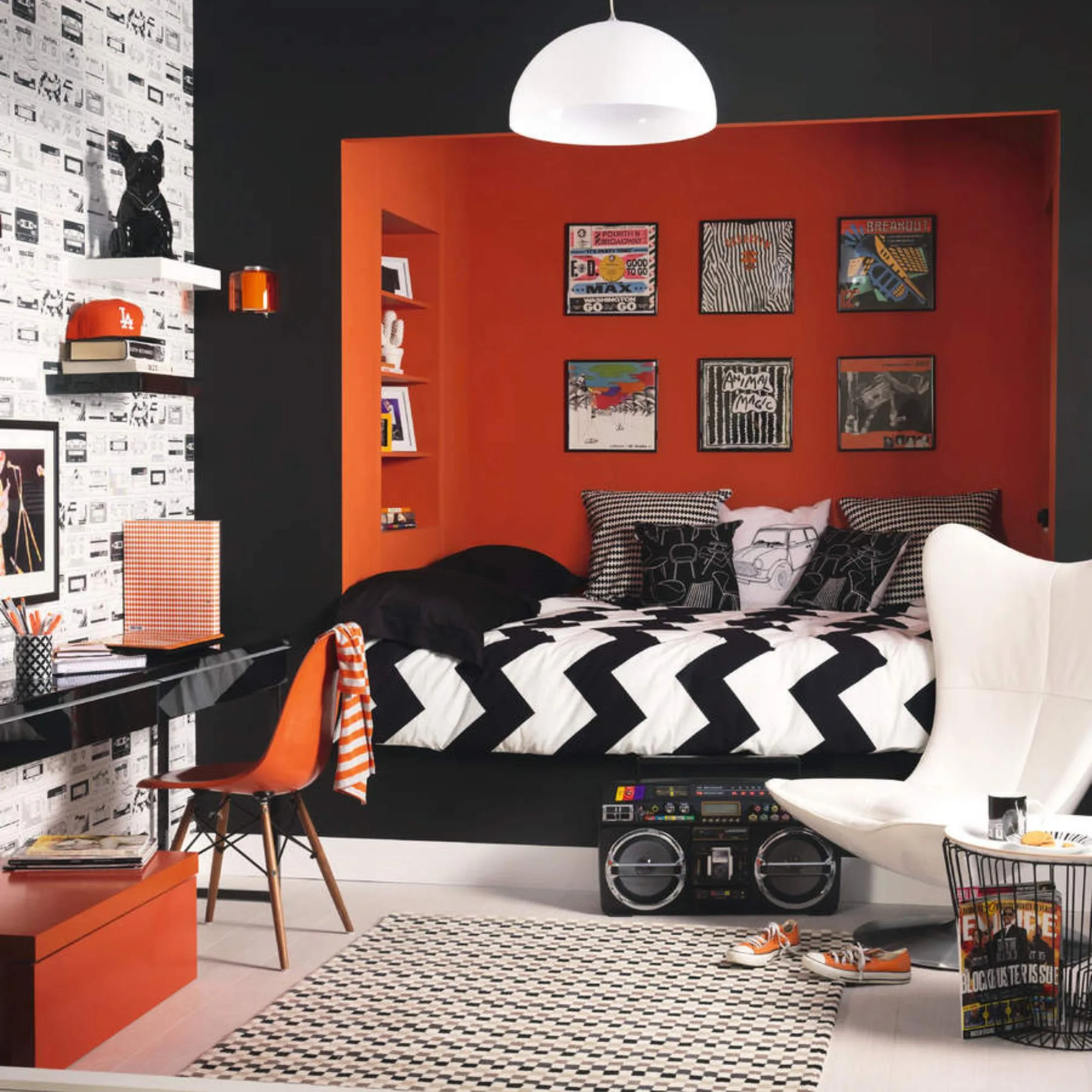
Retro Style Through the Decades
The design world is constantly evolving, and each decade has shaped furniture trends through its own distinctive social events. Looking at the defining characteristics of this movement decade by decade can help us understand how the style has evolved:
The Elegance of the 1950s: Many popular designs today draw inspiration from the 1950s. Post-war optimism combined with the rise of modern design movements to create an elegant, refined look with slender profiles in furniture. Formica-covered tables, chrome-accented bar stools and bold graphic wallpaper came to the fore during this period.
The Freedom of the 1960s: The peak of hippie culture and freedom movements was reflected in furniture, too. The wild, bright and psychedelic patterns associated with retro style are products of this era. One-piece molded plastic chairs and comfort-focused designs brought a fresh, rebellious touch to the elegance of the ’50s.
The Natural Feel of the 1970s: By the ’70s, design had evolved from slim, elegant lines toward fuller, larger and more relaxed forms. The most distinctive feature of this period was the shift in its color palette. Avocado green, mustard yellow, terracotta and earthy tones came to dominate both furniture and decorative objects.
The Glamour of the 1980s: The ’80s saw a reinterpretation of the Art Deco movement and the rise of geometric forms and mirrored surfaces. Turquoise and lilac hues inspired by the American Southwest were blended with floral patterns to create an eclectic, rich design scheme.
Differences Between Antique, Vintage and Retro
Understanding the distinctions between antique, vintage and retro—terms often confused in the world of interior design—is essential for defining a space’s design language. The key differences between these terms are based on when the items were made and whether they are original:
Antique: An object must be at least 100 years old to qualify as an antique. These pieces are not only old, but also rare historical artifacts.
Vintage: These are original pieces that are not as old as antiques (under 100 years old), but date back to a specific period of the previous century. Items used in vintage decor were made during that period and have been preserved to this day, carrying a sense of history.
Retro: Unlike antique and vintage pieces, retro items do not have to be old. The term describes newly made products that emulate the iconic designs of the recent past and look old. The focus is not on the product’s age, but on the design style it showcases.
Retro Ideas for Teen Rooms
Bringing retro style into your living spaces takes creativity, because retro style rejects the ordinary and overly coordinated. When creating retro decor in your home, don’t be afraid to combine bright colors, geometric patterns and different textures.
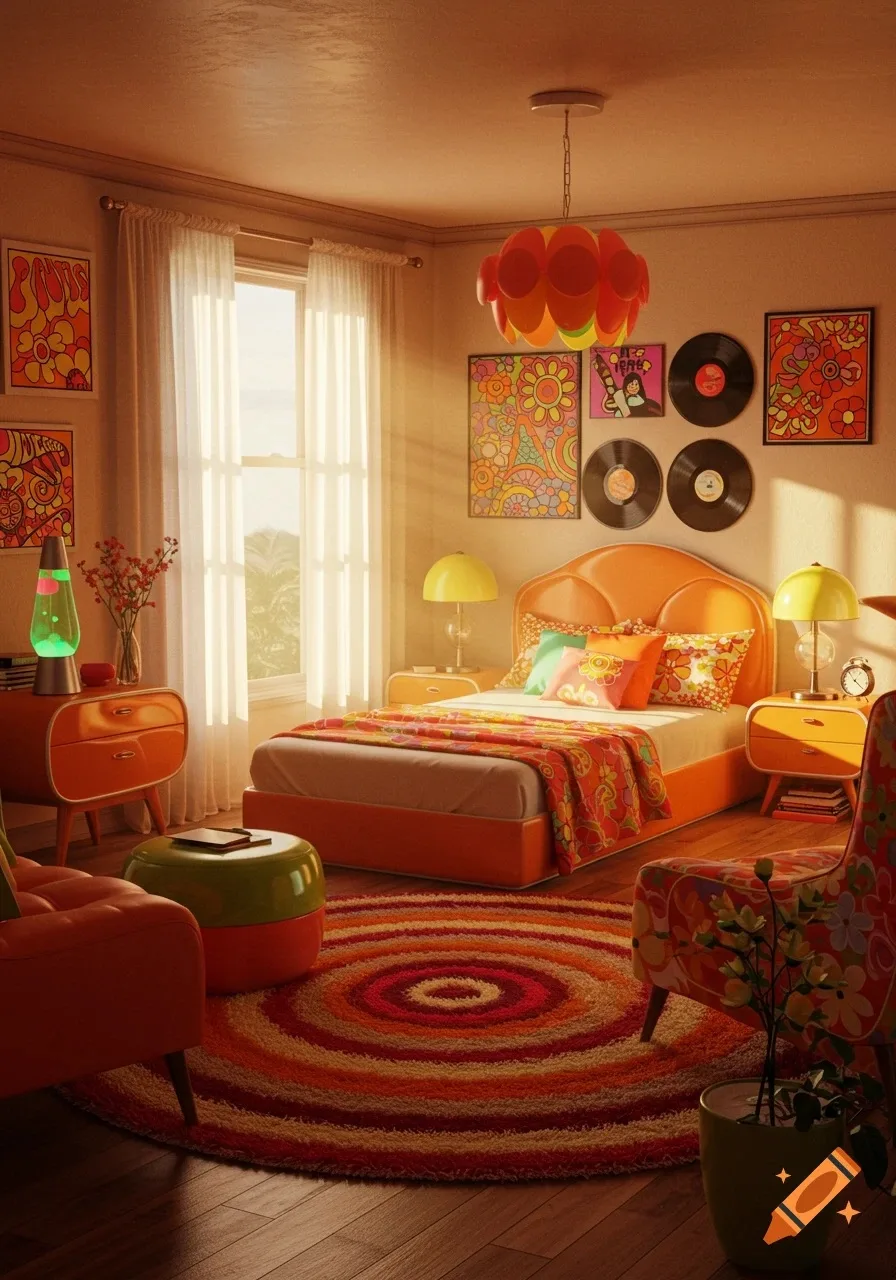
Fun and energy lie at the heart of retro style. With their dynamic, energetic character, teen rooms may be the perfect spaces in the home to reflect the rebellious, colorful and free spirit of retro style. Using iconic pieces from the past instead of ordinary, uniform furniture gives teens’ living spaces a unique character. For example, the atmosphere of a room can be transformed in an instant with neon signs reminiscent of 1980s arcades or lava lamps on a desk. On the walls, vintage movie posters, pop-art prints or collages made from old record sleeves add artistic depth to a room in place of modern digital prints.
In furniture choices, metal lockers reminiscent of school corridors or rounded, velvet-covered ottomans bring both function and the feel of the ’70s. Almila teen room furniture can also help you create this look. Combining mustard yellow, petrol blue and vibrant orange in the color palette with geometric rugs lifts the energy of the room. A record player in the corner or a collection of analog cameras also offers teens in the digital age a nostalgic space to explore, while serving as stylish accessories that complete the decor. Retro style allows teens to freely express their identities by blending them with the colorful aesthetics of the past.
You May Also Like→ Wall Decor Ideas