Sleep and Beds
What Is REM Sleep? What Are the Stages of Sleep?
REM sleep is an important stage when the brain and body renew themselves. Sleep stages play a major role in a healthy life. Visit our page for details!
In today’s fast-paced world, healthy sleep is no longer a luxury but a necessity. Sleep is essential for our bodies to rest and repair, and for our mental functions to recharge. However, not all sleep is equally restorative. REM sleep plays a critical role in this cycle. Short for “Rapid Eye Movement,” REM sleep is the stage when dreams are most vivid and the brain is most active. Important functions such as memory consolidation, emotional balance and learning take place during this stage. The importance of REM sleep, therefore, goes beyond simply waking up rested—it also plays a key role in our mental and emotional health.
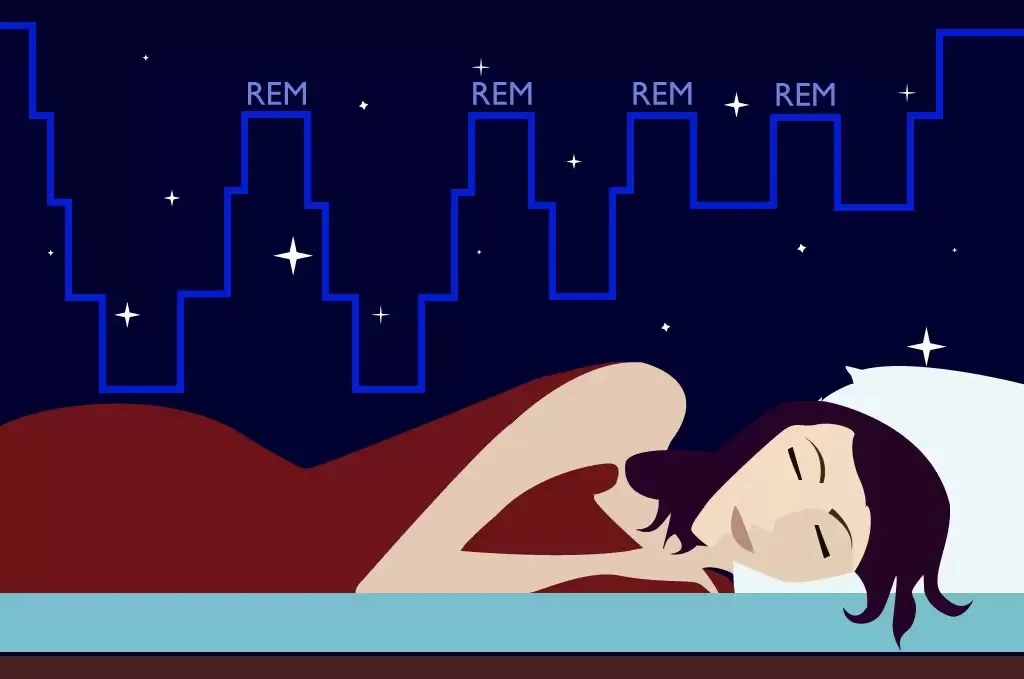
Although sleep may seem like one uninterrupted process, it actually consists of different stages that follow one another. Sleep stages are periods during which the brain and body perform different activities. Sleep occurs in four main stages. These stages take place in sequence, with each serving a different function. An adult repeating this sleep cycle several times throughout the night is a sign of a healthy sleep routine.

Stage 1 (Transition to Sleep)
This is the brief, light stage at the beginning of the sleep cycle, when a person transitions from wakefulness to sleep. Mental activity begins to slow, the body relaxes and the person becomes less aware of their surroundings.
- The transition-to-sleep stage is the period between wakefulness and sleep.
- It usually lasts 1-5 minutes.
- Heart rate slows, muscles relax and eye movements slow down.
- Sudden jerks (hypnic jerks) may sometimes occur during this stage.
Stage 2 (Light Sleep)
This is the longest stage of sleep, when a person is fully asleep but still partially responsive to external stimuli. Bodily functions slow further, and mental activity decreases.
- Most of your sleep is spent in this stage.
- Body temperature drops and heart rate slows further.
- Consciousness is fully diminished, although you may still respond to sounds in your surroundings.
- Brief awakenings usually occur during this stage.
Stage 3 (Deep Sleep)
Deep sleep is the most restorative stage, when physical recovery takes place and the immune system is strengthened. It is difficult to wake someone during this stage, and the body is in a deeply restful state.
- This is the stage when the most physical recovery takes place.
- Muscle development and a stronger immune system are supported during this stage.
- It is very difficult to wake someone; people who wake during this stage often feel groggy.
- Deep sleep is when the body truly rests.
Stage 4: REM Sleep (The Dream Stage)
REM sleep is the stage when mental activity reaches its peak, dreams are most vivid, and learning and memory are strengthened. For the brain, this stage is almost like a reboot.
- Although the eyes are closed, they move rapidly during this stage (Rapid Eye Movement).
- Brain activity is as intense as when you are awake.
- The vast majority of dreams occur during this stage.
- It is crucial for learning, memory and emotional regulation.
- REM sleep lasts longer with each cycle and can reach 30 minutes toward the end of the night.
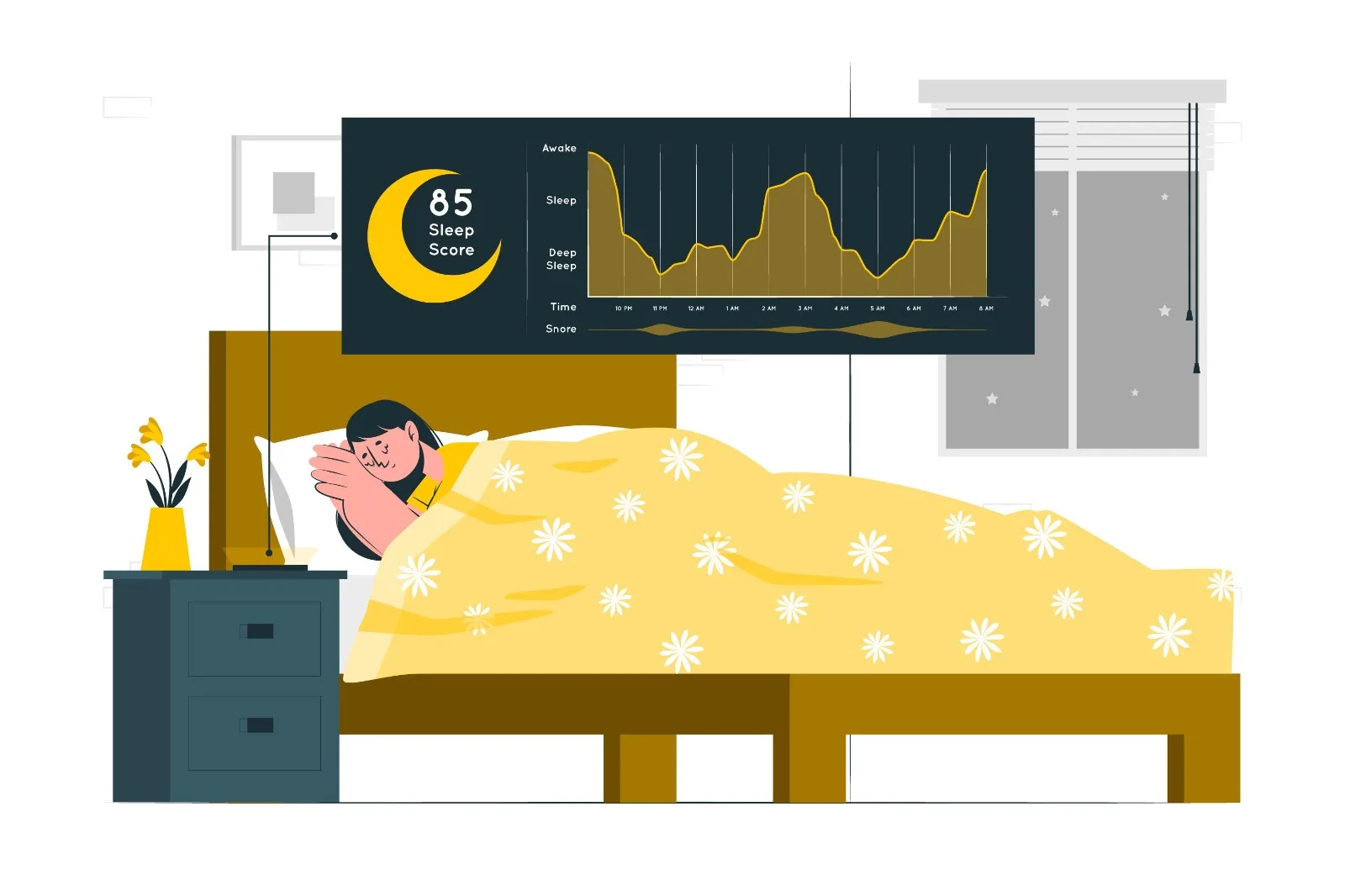
Signs of REM Sleep
REM sleep is an essential part of high-quality, healthy sleep. To recognize and observe this stage accurately, it helps to know the signs of REM sleep.
- Rapid eye movements: The most noticeable physical sign of REM sleep is the rapid side-to-side movement of the eyes beneath closed eyelids. These movements indicate increased brain activity and dreaming. In sleep laboratories, this stage can be easily identified by these movements.
- Vivid dreaming: The vast majority of dreams occur during REM sleep. Dreams during this stage are usually more vivid, detailed and emotionally charged. Dreams remembered upon waking in the morning almost always come from this stage. Although the function of dreams is not yet fully understood, experts say this process is essential for emotional balance and memory.
- Increased brain activity: EEG (electroencephalography) data show that brain waves are rapid and irregular during REM sleep. This indicates that mental processes such as learning, analysis and emotional processing are active. REM is the stage when learned information is stored in long-term memory.
- Temporary muscle paralysis (atonia): During REM sleep, the body temporarily stops voluntary muscle movements. This is called “atonia.” It is a safety measure that prevents the body from physically acting out dreams. During REM sleep, a person cannot move, but the brain is extremely active.
- Irregular breathing and heart rate: Heart rate and breathing are irregular throughout REM sleep, and may suddenly speed up or slow down. These changes are related to the brain’s responses to dreams. During emotional dreams, heart rate may increase and breathing may become deeper.
- Genital arousal: Physiological arousal of the genitals can occur in both men and women during REM sleep. This is a natural response associated with hormone release and nervous system activity.
- Brief grogginess upon waking: Waking suddenly during REM sleep may cause temporary confusion, grogginess and disorientation. This happens because the brain is interrupted while highly active. Although the effects pass within a few minutes, people who wake from REM sleep often feel more tired.
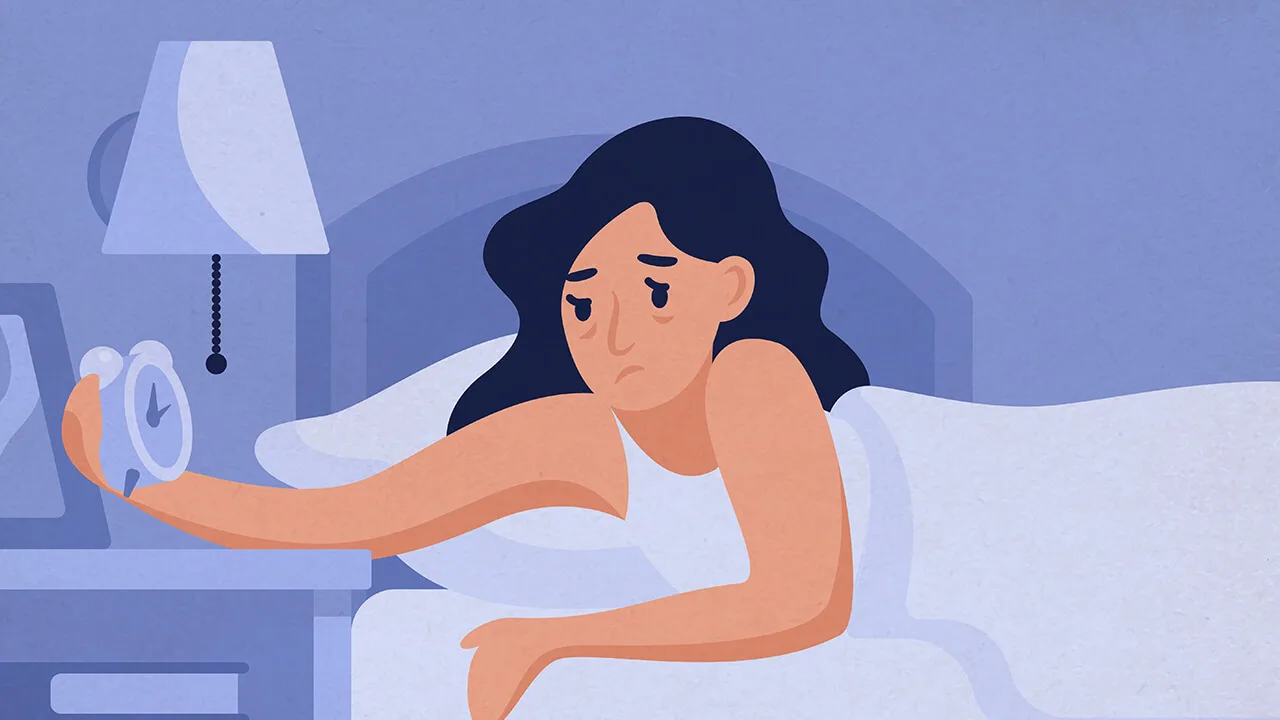
How Is REM Sleep Measured?
How many times a person enters REM sleep during the night and how long it lasts are factors that determine overall sleep quality. REM sleep can generally be measured using sleep-tracking devices or through polysomnography tests conducted in a laboratory.
- Sleep trackers: Technological products such as sleep trackers, smartwatches and fitness bands estimate REM sleep by analyzing data such as heart rate, breathing rate and movement. These devices help users monitor their sleep stages, but the data they provide are estimates and are not a substitute for a medical diagnosis.
- Polysomnography: Polysomnography is a much more precise test conducted in sleep laboratories. During this test, brain waves, heart rhythm and other physiological data are measured to clearly identify REM sleep and detect sleep disorders.
- Keeping a sleep diary: Writing down how you feel each morning, how many hours you slept and whether you dreamed can help you analyze your sleep. If you constantly wake up tired or don’t remember dreaming, your REM sleep may be insufficient.
On average, it is ideal for an adult to get a total of 90-120 minutes of REM sleep each night.
Problems Caused by REM Sleep Deficiency
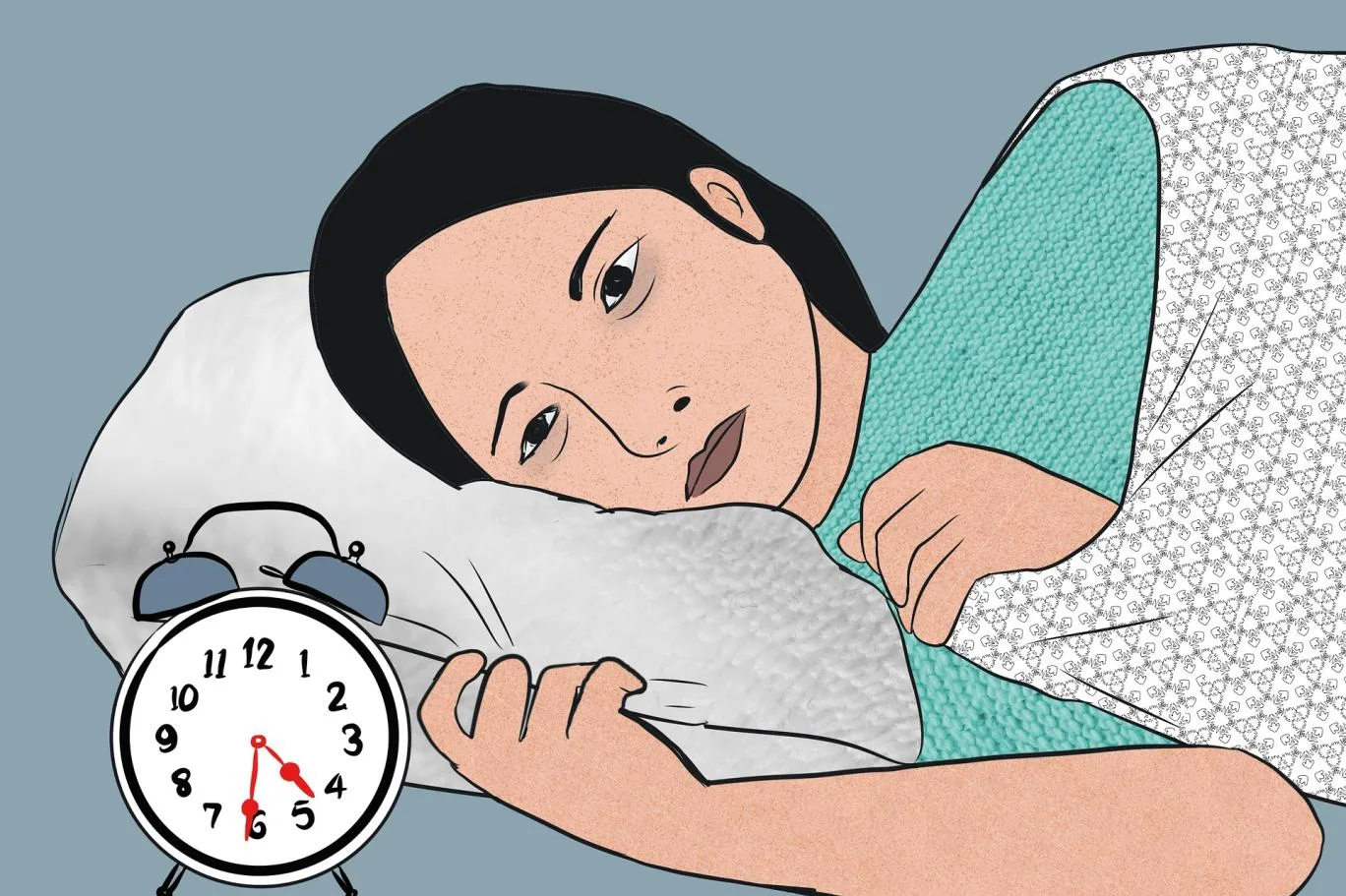
Insufficient REM sleep not only disrupts sleep quality but can also have serious effects on overall health. REM sleep deficiency can negatively affect mental and emotional balance and may lead to certain health problems.
1. Mental Fatigue and Poor Concentration: Lack of REM sleep can negatively affect brain function, leading to daytime fatigue and difficulty concentrating. People who are deprived of REM sleep may find it hard to stay focused throughout the day.
2. Forgetfulness and Learning Difficulties: Much of the memory and learning process takes place during REM sleep. Insufficient REM sleep can prevent information from being stored in long-term memory, leading to forgetfulness and learning difficulties.
3. Emotional Imbalance and Anxiety: REM sleep plays an important role in emotional regulation and coping with stress. A lack of REM sleep may contribute to increased emotional instability and mental health issues such as depression and anxiety. People may find it harder to cope with stress as a result.
4. Physical Health Problems: Long-term REM sleep deficiency can weaken the immune system, making a person more susceptible to illness. It can also have negative effects on heart health and metabolism.
5. Increased Stress Levels: Lack of REM sleep may cause levels of the stress hormone cortisol to rise. This can keep a person under increased stress and negatively affect their overall quality of life.
What Is REM Sleep Like in Babies?
Babies spend a large part of their sleep cycles in REM sleep. A newborn may sleep 16–18 hours a day, and around 50% of that is REM sleep. Activities that take place during REM sleep play a major role in babies’ brain development, laying the foundations for mental development, learning and memory. That is why it is so important for babies to get enough high-quality sleep. Since REM sleep is a period of rapid growth and learning, continuous REM sleep is essential for growth.
The quality of the environment where babies sleep is also very important for helping them rest well and maintain regular sleep cycles. Our range of Almila baby mattresses is specially designed to help babies sleep comfortably and without interruption. Our high-quality, ergonomic mattress designs support babies’ natural sleeping positions and allow their bodies to rest comfortably during sleep. This helps ensure continuous REM sleep and lays an important foundation for their mental and physical development. A comfortable sleep environment helps babies sleep soundly through the night, which is essential for healthy development.
When Is Sleep at Its Deepest?
The deepest sleep usually occurs during the first few hours of the sleep cycle. In the first half of the night, especially during the first two cycles, the deep sleep stage (NREM Stage 3) lasts longer. This is when the body gets the most physical rest and recovery. Deep sleep is essential for the brain and muscles to recover and for the immune system to strengthen. This stage begins to shorten as the night progresses, while the duration of REM sleep increases. Overall, however, the first few hours of the sleep cycle are when the deepest sleep occurs.
How Many Hours of REM Sleep Do You Need?
An adult ideally needs between 1.5–2 hours of REM sleep each night. A sleep cycle lasts about 90 minutes and includes one REM stage. These cycles repeat several times throughout the night. REM sleep is brief during the first half of the night, then lasts longer as the night progresses. In the final sleep cycle, REM sleep can reach 30 minutes. This means that getting a total of 20-25% of your sleep as REM sleep throughout the night is very important for overall sleep health.
What Is REM Sleep Behavior Disorder?
REM sleep behavior disorder is a condition in which a person moves more than usual during REM sleep. During REM sleep, muscles are usually temporarily paralyzed, so the body does not move while dreaming. However, in people with REM sleep behavior disorder (RBD), this paralysis does not occur properly, and they may physically act out their dreams, sometimes making vigorous movements based on what they are dreaming. The condition may cause restlessness when awakened, physical injuries or symptoms such as shouting as dreams are acted out during the night. REM sleep behavior disorder is often associated with neurological conditions such as Parkinson’s disease and dementia. It is usually treated with medication and changes to sleep habits.
You may also be interested in our blog post, What Should a Child’s Room Be Like for Quality Sleep?.