Care and Cleaning
Which Wash Cycle Should You Use for Bed Linen? - The Importance of Baby Bedding
Washing bedding hygienically is very important for your baby’s health. Click to find out how often to wash baby bedding and more!

Healthy development in babies depends on more than proper nutrition and regular sleep. The hygiene and skin-friendliness of the textiles they come into direct contact with are just as important. During sleep in particular, a baby’s skin becomes more vulnerable to external factors. That’s why it’s essential for products such as baby bedding sets, baby sheet sets and newborn bedding sets to be made from the right materials and cleaned regularly. The type of fabric, quality of stitching, cotton content and texture directly affect babies’ health as well as their comfort.
Cleanliness is one of the most important considerations when it comes to baby textiles. The wash cycle, water temperature and type of detergent matter just as much as how often you wash them. If fabrics such as cotton bedding sets or sateen cotton bedding sets are washed at high temperatures or on the wrong cycle, this can damage the fabric and may not ensure proper hygiene. The ideal washing temperature for baby products is 40°C. This temperature is sufficient to eliminate microorganisms without damaging fabrics. Choose the “Cottons” or “Hygiene” cycle on your washing machine; if the product is made of delicate fabric, use the “Delicate” or “Baby” cycle.
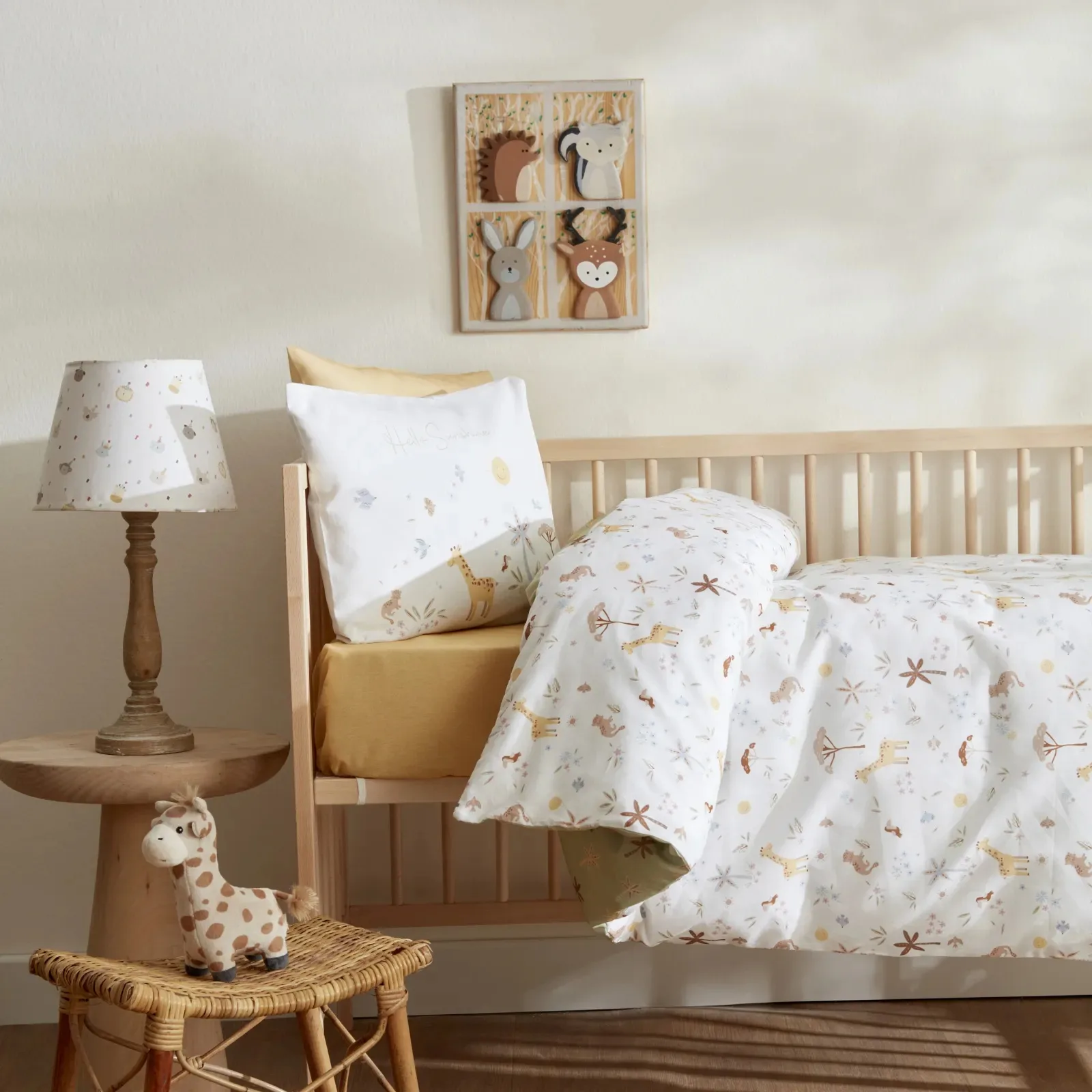
How Often Should You Wash Baby Bedding Sets?
Babies’ immune systems are not yet fully developed, making them more vulnerable to germs and allergens. This makes it necessary to clean sleep products such as baby crib bedding sets more frequently.
Ideally, baby bedding and sheet sets should be washed at least once a week. However, wash them more often if your baby has a diaper leak, vomits or sweats.
Things to Keep in Mind When Washing Baby Bedding Sets:
- For everyday use, especially in summer, choose breathable fabrics such as cotton bedding sets and wash them frequently.
- For babies prone to allergic reactions, change sheets and bedding every 3–4 days.
- Special fabrics such as sateen bedding sets require more careful use when it comes to washing frequency.
How to Remove Stains from Baby Bedding Sets
Stains are inevitable on baby products. Stains caused by vomiting, spilled formula or diaper leaks can become permanent if not treated promptly. However, the right methods can help you remove them.
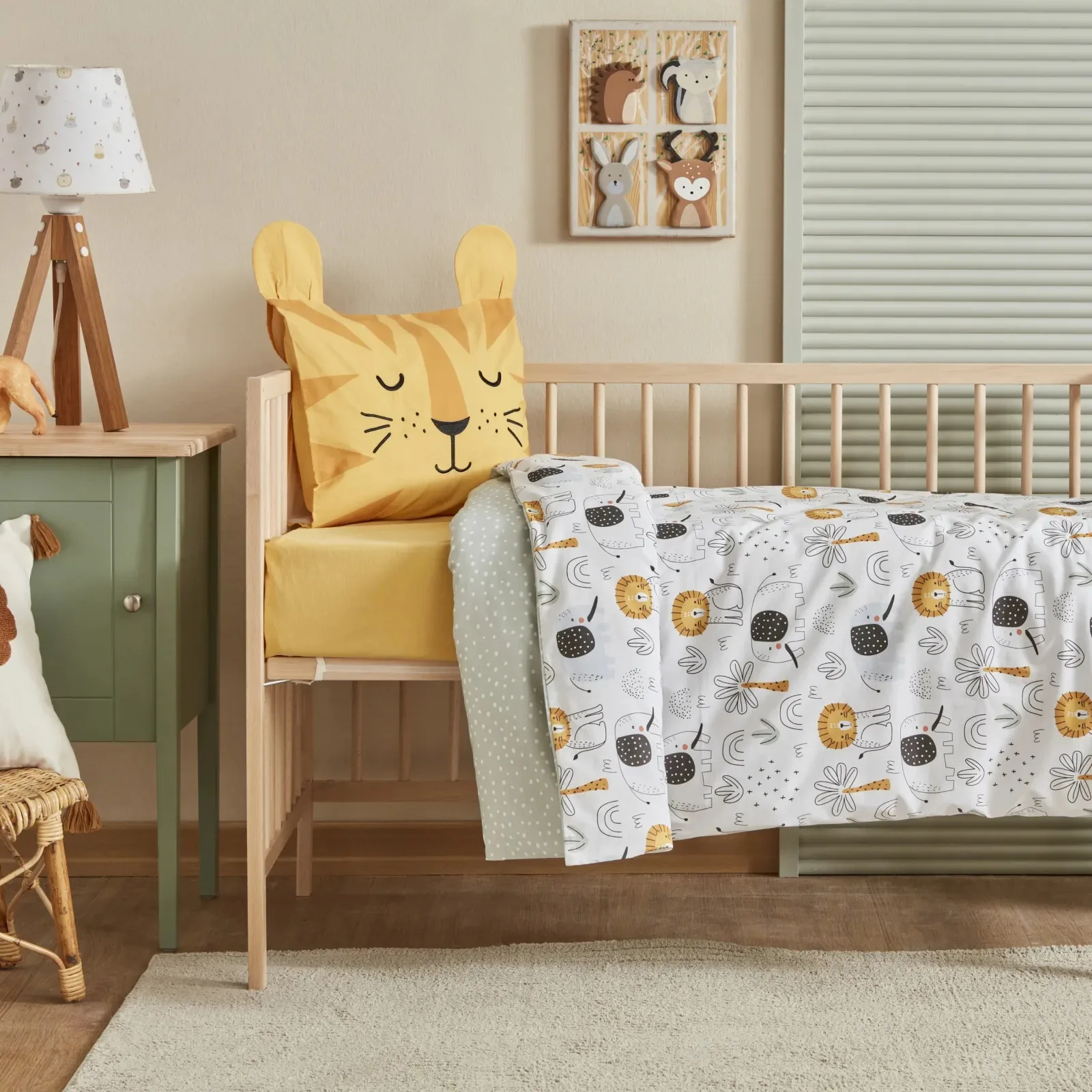
Act Quickly and Treat Stains Without Delay
Treat stains as soon as they appear. Protein-based stains from formula, milk or feces can become permanent when exposed to hot water. So the first step is to rinse the stain with cold water.
- Immediately hold the stained area under cold running water to remove excess residue.
- Gently blot up excess liquid without rubbing.
- This first step helps prevent stains from setting into the fibers without damaging the fabric.
This is especially helpful for preventing damage to delicate fabrics such as cotton bedding sets and sateen cotton bedding sets.
Choose Natural Cleaners
Using natural cleaners instead of chemical detergents on baby products is a safe choice for both the environment and your baby’s skin. Natural products such as baking soda and white vinegar are especially effective on light stains.
- Mix 1 tablespoon of baking soda and 1 teaspoon of white vinegar into a paste, then gently apply it to the stain.
- Leave it for 10 minutes, then rinse thoroughly with water or place it in the washing machine using the prewash option.
- When using this method on more delicate fabrics such as sateen bedding sets, avoid rubbing the surface.
This natural mixture helps lift stains without leaving harmful residue. It cleans hygienically without causing problems when it comes into contact with your baby’s sensitive skin.
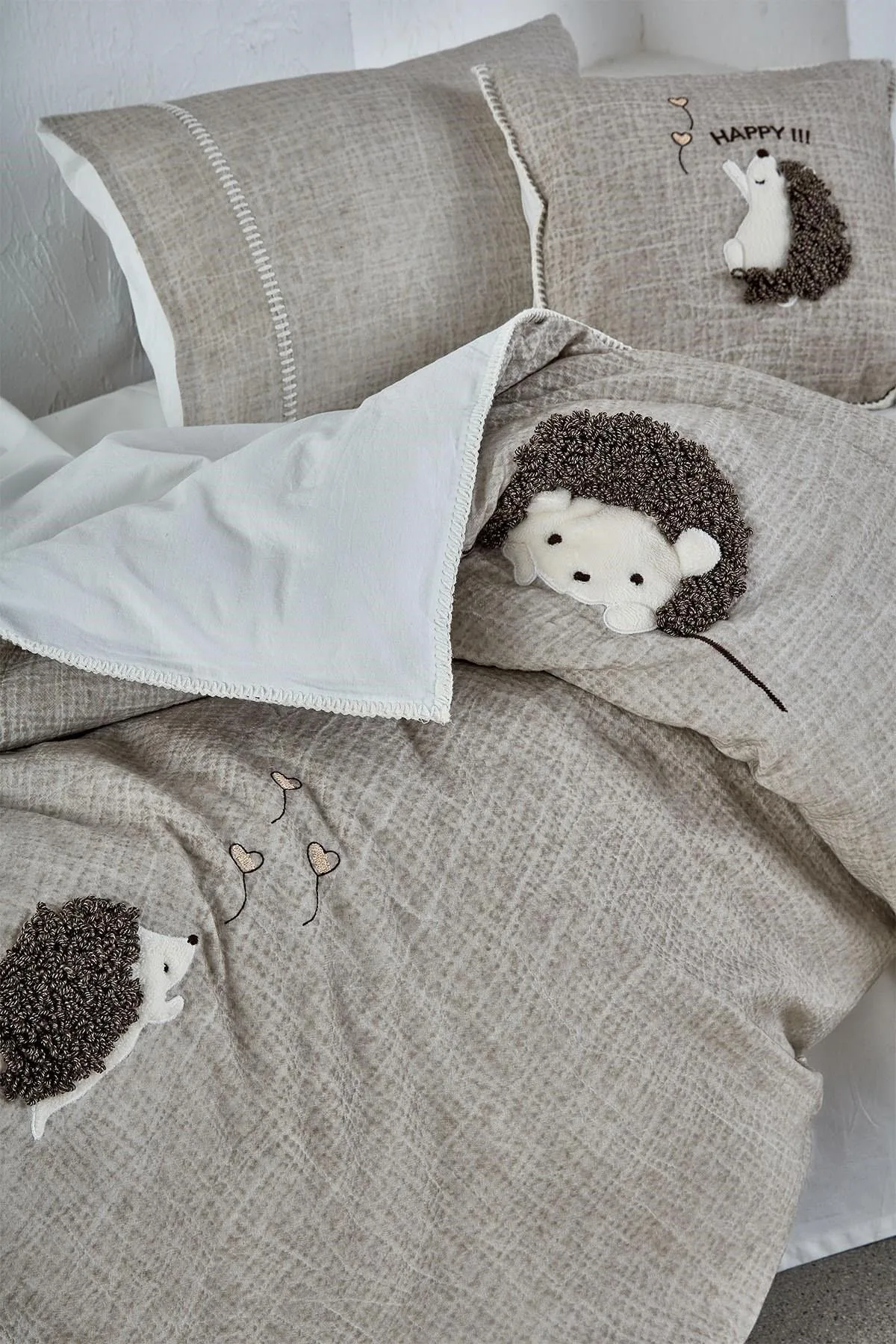
Prewash
Natural solutions alone may not be enough for stubborn stains such as diaper leaks and fruit purée. In this case, apply a stain remover specially formulated for babies to the stained area before washing.
- Spray the product onto the stained area and leave it for 10–15 minutes.
- This allows the stain remover to soften the stain and loosen it from the fabric.
Prewashing helps thoroughly clean frequently used products, such as newborn bedding sets, removing both visible and microscopic dirt.
Choose the Right Cycle
The cycle used to wash baby textiles plays a vital role in protecting the fabric and ensuring hygienic cleaning. If you don’t choose the right cycle after treating a stain, residue may become trapped in the fabric.
- Choose the “Hygiene,” “Baby” or “Cottons 40°C” cycle on your washing machine.
- If the care label allows, you can use a 60°C cycle for heavy stains. However, this temperature is not recommended for delicate fabrics such as sateen bedding sets.
- Options such as “Extra Rinse” or “Steam Hygiene” help remove detergent residue completely.
Check Before Drying to Prevent Stains from Setting
Check the product after washing and before drying it. If a stain is still there when the item is dried, the heat can set it permanently into the fabric.
- Carefully inspect the item in good light after taking it out of the washing machine.
- If the stain is still visible, repeat the same treatment before drying.
- Whenever possible, dry the item outdoors in the sun. Sunlight acts as a natural disinfectant and helps reduce bacterial growth.
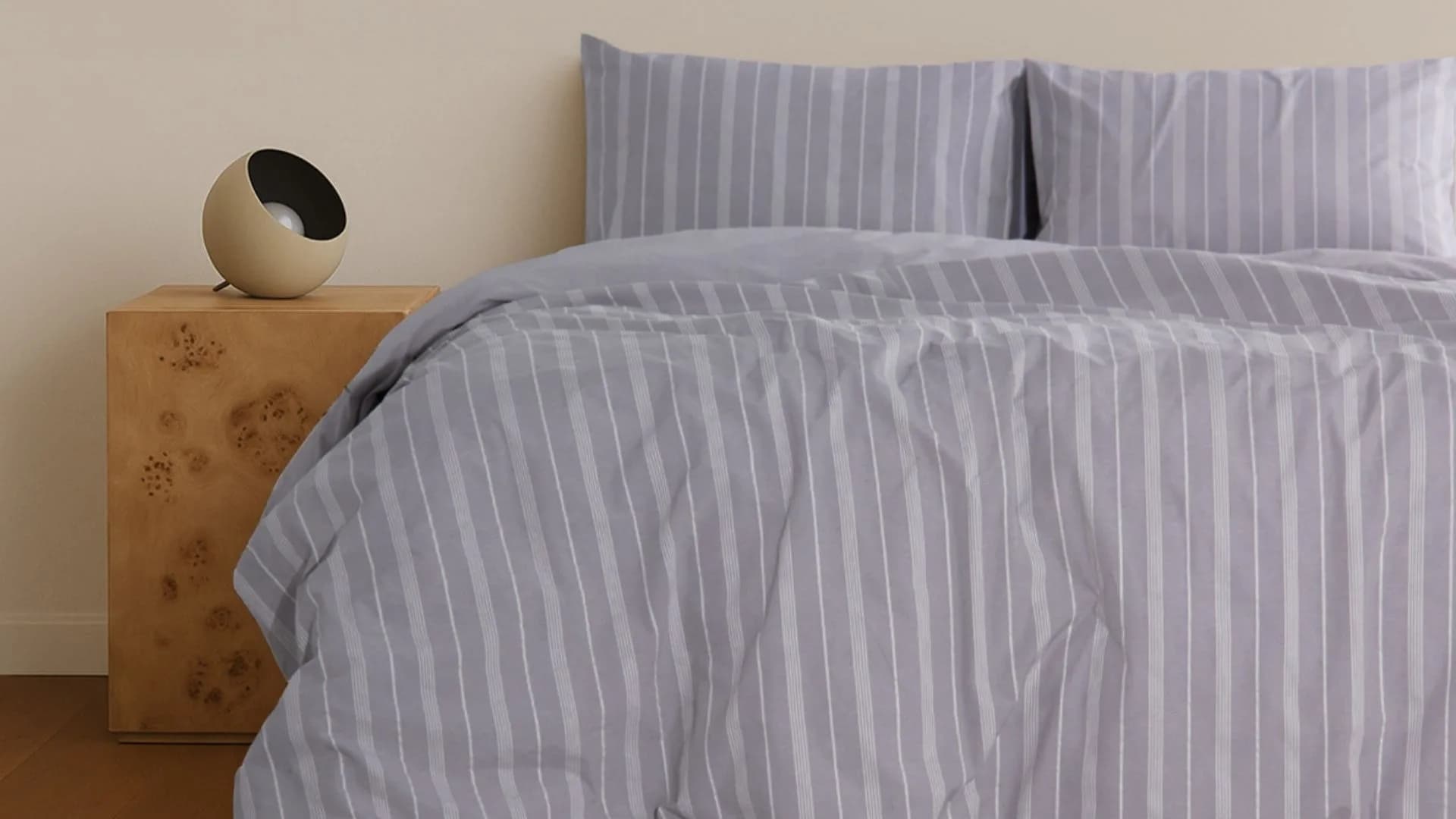
This step helps prevent color fading in dark-colored items such as grey bedding sets and keeps residues that could harm your baby’s skin from setting into the fabric.
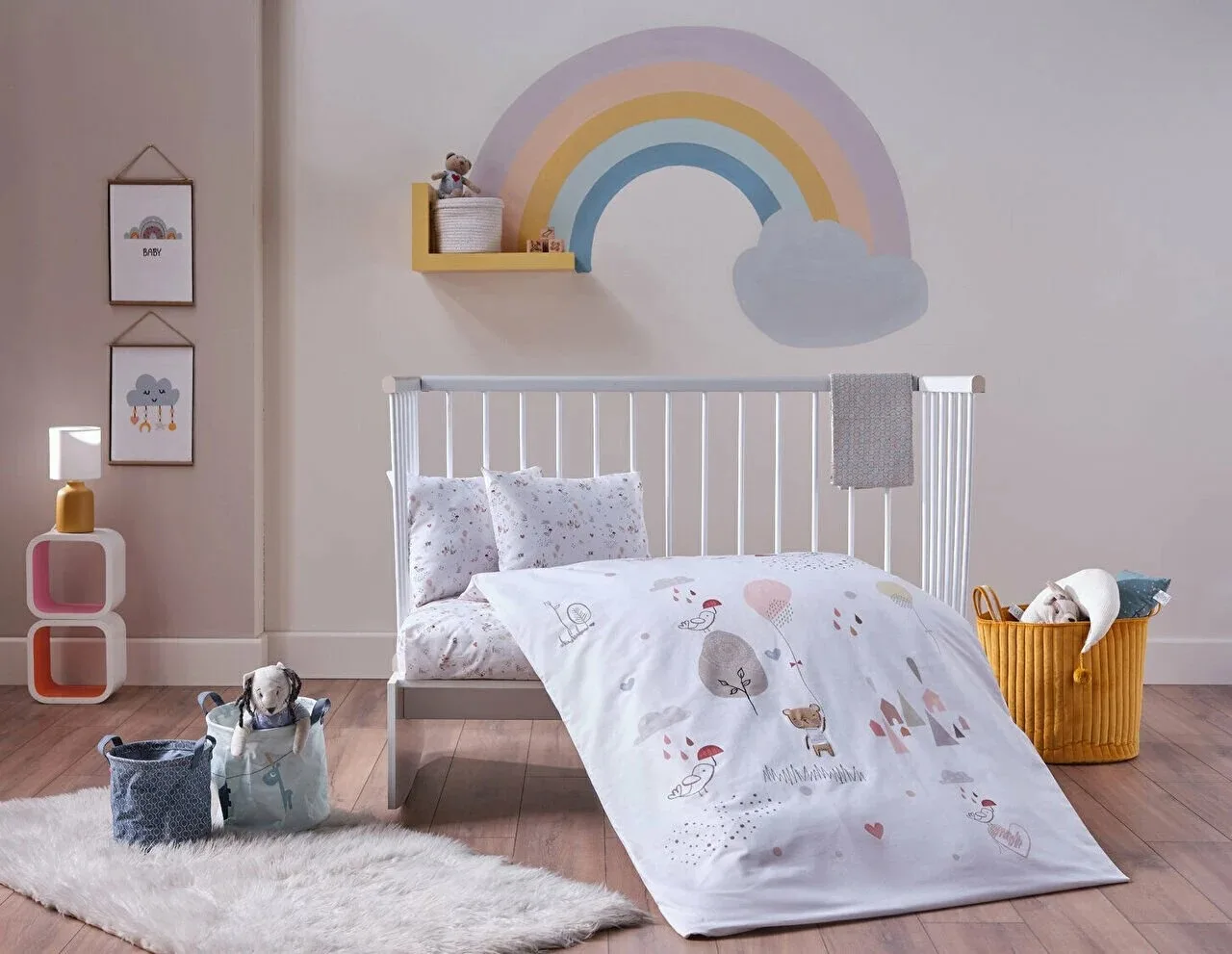
Choosing Detergent for Baby Bedding Sets
Detergent used to wash baby textiles should not only clean effectively, but also be gentle on your baby’s skin. Here are some things to keep in mind when choosing a detergent for baby bedding.
- Choose Fragrance-Free and Dye-Free Detergent: Although fragranced detergents smell pleasant, they often contain chemicals. These can cause irritation, redness or rashes on babies’ skin.
- Choose a Hypoallergenic Detergent: Hypoallergenic detergents are formulated to minimize the risk of allergies. They help protect babies from skin conditions such as atopic dermatitis and eczema.
- Avoid Phosphates and Harsh Chemicals: Although phosphates commonly used in detergents boost cleaning power, they are harmful to the environment and human health. Detergents used for baby textiles should not contain phosphates, parabens, chlorine or optical brighteners.
- Look for Dermatologically Tested Products: The detergent packaging should state “dermatologically tested.” This indicates that the product has been tested on different skin types and is generally considered safe.
- Choose Concentrated, Low-Sudsing Detergents: Low-sudsing detergents rinse out of the washing machine more easily, helping prevent detergent residue from remaining on textiles.
- Use Fabric Softener with Care: Fabric softeners are generally not recommended for baby textiles because many contain fragrance and chemicals. They can also form a layer on the fabric, reducing its breathability.
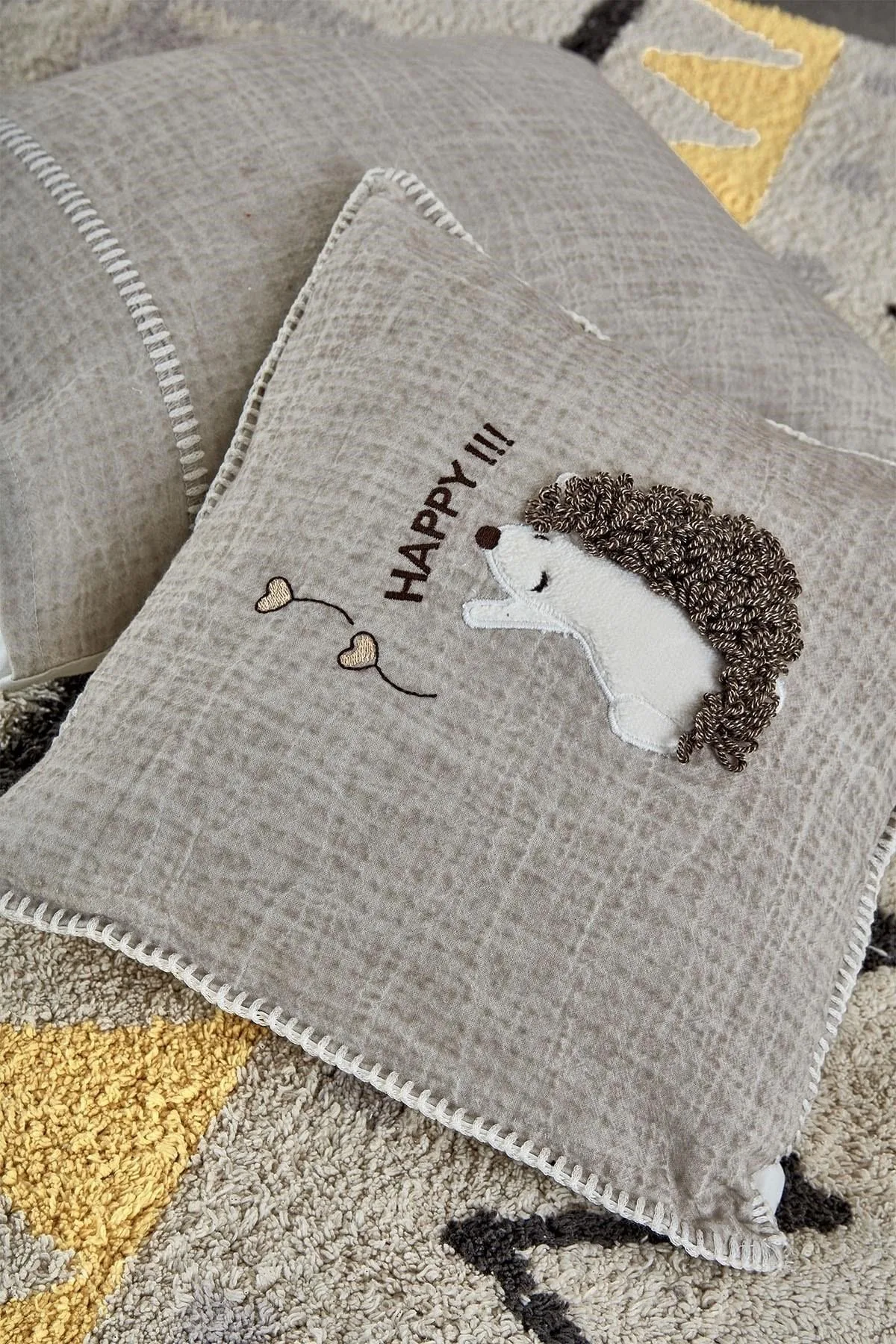
Which Cycle Should You Use to Wash Sheets?
Sheets should generally be washed on a cotton cycle at 40°C or 60°C. For items such as cotton bedding sets or baby sheets, higher temperatures ensure hygiene and kill bacteria. Always follow the washing instructions on the product label. Choose a low spin speed for delicate fabrics.
Which Cycle Should You Use to Wash Pillows?
Pillows should be washed on different cycles depending on their type. Fiber or microfiber pillows can generally be machine-washed on a delicate 40°C cycle. However, pillows with natural fillings such as goose down require special care. When washing baby pillows, use an extra rinse to remove all detergent residue.
What Temperature Should You Wash Whites At?
White laundry should generally be washed at 60°C. This temperature ensures hygiene and effectively removes stains. However, for very delicate fabrics or special items such as sateen bedding sets, lower temperatures such as 40°C are preferable.
What Temperature Should You Wash Colors At?
Colored laundry should generally be washed at 30°C to 40°C. High temperatures can cause colors to fade. For items such as grey bedding sets and pastel-colored baby sheet sets, we recommend washing at a low temperature and using a detergent specially formulated for colored laundry to protect colors while ensuring hygiene.
Washing baby bedding sets correctly and hygienically is essential for babies’ health and comfort. Every detail should be carefully considered, from choosing the right cycle and temperature to selecting detergent, removing stains and drying. With regular cleaning and proper washing habits, textiles for babies with sensitive skin will last longer and help support your baby’s development in a healthy sleep environment.
You May Also Like→ Why Do Mattresses Turn Yellow? Cleaning Tips
Related products
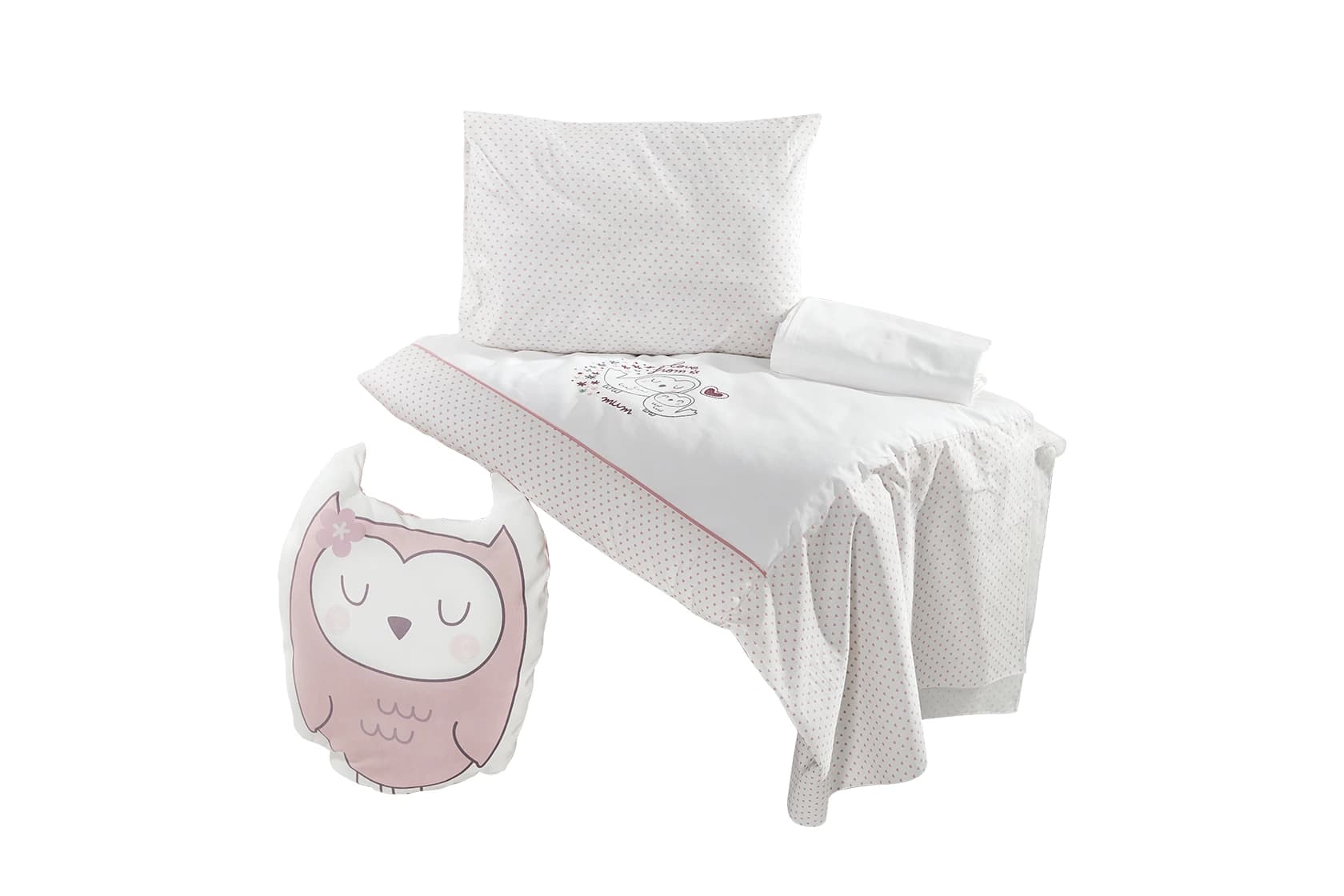
 %24 Off
7,201 ₺
5,473 ₺
Lowest price in the last 30 days: 5,473 ₺