
Care and Cleaning
How Should Curtains Be Cleaned? Which Wash Cycle Should You Use?
Curtain cleaning varies depending on the fabric. Choosing the right wash cycle and temperature is important for hygiene, especially in teen and children's rooms.
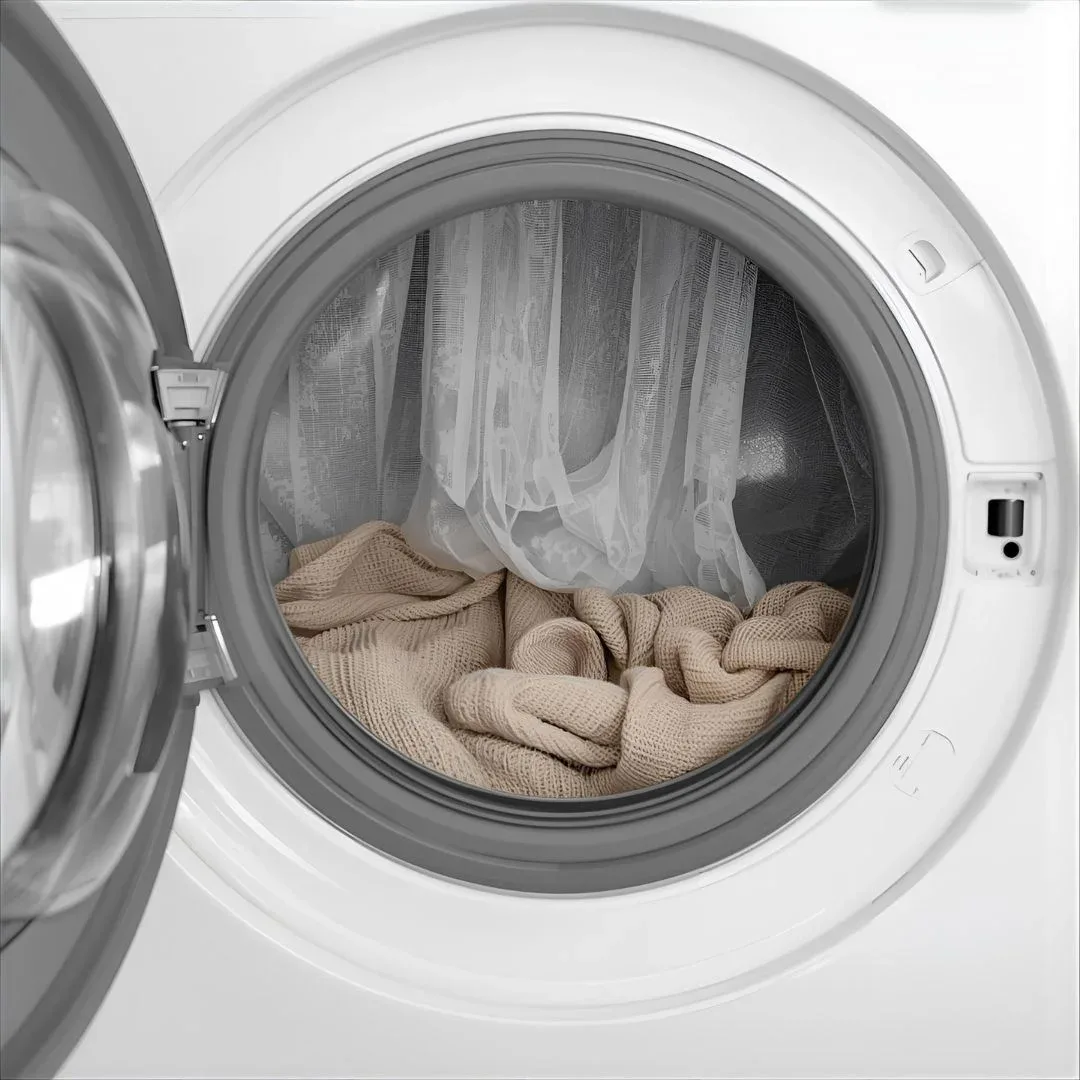
One of the most essential elements of home hygiene, curtains directly affect indoor air quality by filtering dust and pollen from the outside world. To preserve their appearance and prevent their fabric from wearing out, curtains should be cleaned at regular intervals using methods suited to their fabric. With the right washing techniques and appliance settings, even the most delicate sheers can retain their original shape.
Cleaning curtains requires careful attention at every stage, from preparation and choosing the right detergent to drying. Since incorrect methods can cause shrinkage, yellowing or permanent creases, it’s best to plan each step carefully. Here are the steps to follow for a flawless curtain-cleaning result:
1. Remove Dust and Detach Any Accessories
Before washing, it’s recommended to vacuum up loose dust from the curtains or shake them out in an open area such as a balcony. While hanging, curtains attract dust particles like a magnet due to static electricity in the room. If curtains are put straight into water without removing this layer of dust, it can turn to mud and penetrate deep into the fabric fibres. This can leave white sheers looking “greyish” after washing. Removing dust first helps detergent penetrate the fabric more evenly, improving cleaning performance.
After dusting, be sure to remove the metal or plastic rings, locking mechanisms and pins used to attach the curtains to the curtain rail. These accessories can damage the washing machine drum or snag the fabric as the drum spins at high speed, causing tears or unravelling. If the curtains have delicate accessories, beads or embellishments that cannot be removed or are sewn on, it’s best to protect them by placing the curtains in a special laundry bag. Taking care during preparation is essential to preserving the life of both the curtains and the washing machine.
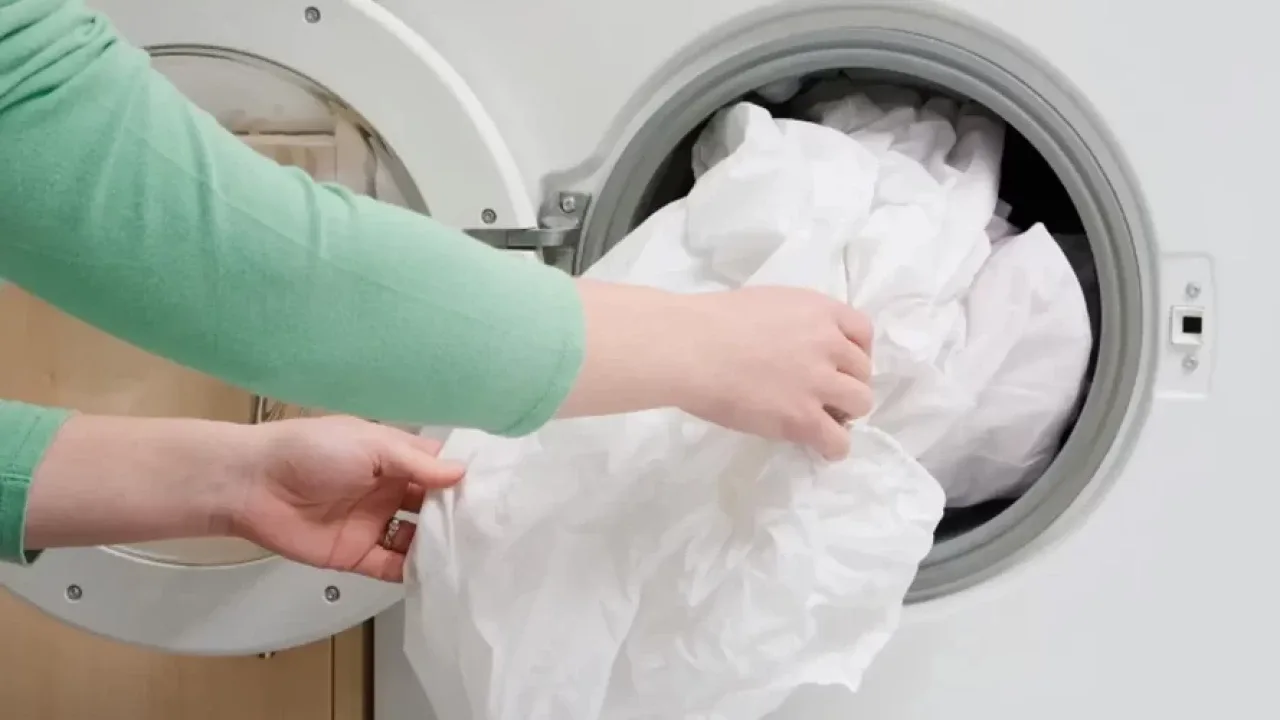
2. Choose the Ideal Cycle and Temperature
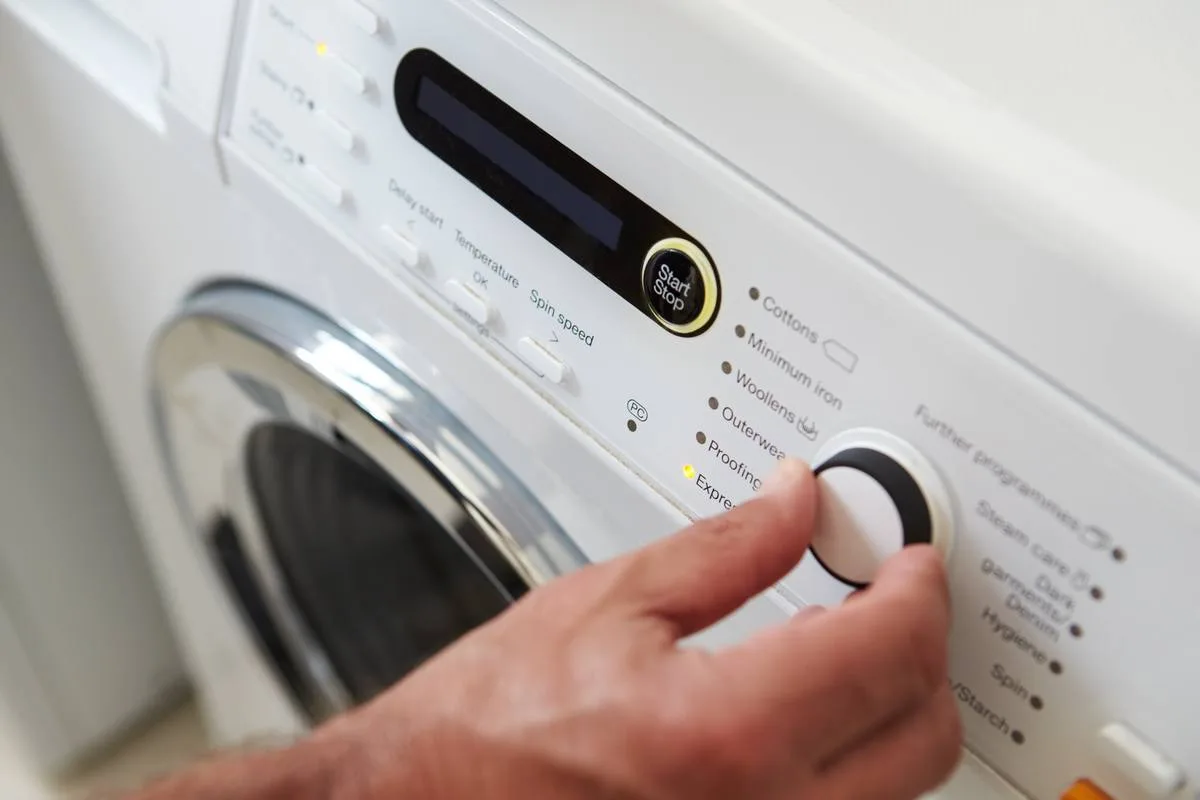
To prevent damage to the curtain fabric and thermal shock to its fibres, it’s generally best to choose a temperature no higher than 30 degrees. High temperatures can weaken the polymer bonds in synthetic sheers and drapes, causing the fabric to stiffen, shrink or lose its elasticity. The “delicate”, “hand wash” or dedicated “curtain” cycles found on modern washing machines are designed for this purpose, using lower water temperatures and gentler drum movements. The care instructions on the fabric label are the most reliable guide to washing curtains; if there is no label, the lowest temperature setting is always the safest option.
Water level and spin speed should also be considered when choosing a cycle. Curtains become significantly heavier when wet, so the machine should fill with water gradually and rotate the fabric without being too rough. If your machine doesn’t have a curtain cycle, choose the delicate or silk setting rather than the synthetic setting. Its optimised pauses and drum movements help reduce the risk of wear. You can also use the prewash option to drain away dirt from the curtains’ first rinse, allowing the detergent to work more effectively during the main wash.
3. Preserve Their Shape with a Low-Speed Spin
To minimise creasing and prevent the fabric fibres from being crushed under pressure, avoid high-speed spin cycles. Inside a drum spinning at speeds as high as 800-1200 revolutions per minute, centrifugal force presses curtains firmly against the drum wall. This pressure can leave deep, sometimes permanent, crease marks in the fabric, making ironing difficult once the curtains have dried. For an ideal curtain setting, keep the spin speed at 400 or no more than 600 rpm, or turn off the spin cycle altogether for delicate fabrics.
A low-speed or cancelled spin cycle means the curtains will come out of the machine wetter and heavier. While this may seem like a disadvantage at first, hanging curtains while the water still weighs down their fibres helps creases fall out naturally under gravity. Curtains removed while slightly damp will stretch under their own weight and regain their shape. If you use the machine’s spin function, remove the curtains as soon as the cycle ends; leaving wet curtains in the drum allows their weight to press them together, making them difficult to iron.
4. Be Selective with Bleach and Chemicals
Choosing the right detergent is essential for preventing sheer curtains from yellowing or turning grey over time due to external factors such as air pollution, sunlight or cigarette smoke. Harsh bleaches containing chemicals such as chlorine bleach can thin fabric fibres, eventually making curtains brittle and prone to tearing when touched. Instead, add a little baking soda to the detergent drawer or use oxygen-based whitening products specially formulated for curtains to restore brightness without damaging the fabric. Baking soda also softens hard water, helping detergent lather better and lift stains more easily.
The approach is different for dark or patterned drapes: detergents containing bleach can cause the colour pigments in these fabrics to fade. Colour-protecting liquid detergents help preserve their vibrancy for longer. Fabric softener should be used with care. Although it leaves curtains smelling lovely, it can create a thin film over the fibres, making sheers more likely to attract dust. If you do use softener, minimise the amount during the curtain wash and add just a little to prevent static electricity.
5. Hang While Damp to Prevent Creases
One of the most critical stages of curtain cleaning is the first five minutes after the wash cycle ends. Leaving curtains in the machine allows moisture to make the fabric stick together and deep creases to form. For this reason, remove curtains as soon as the wash is finished. Hanging them while damp, directly back on the curtain rail, is the easiest way to achieve a professional result. Once hung, the curtain’s own weight creates natural tension, allowing the fibres to straighten as they dry.
This method also prevents the damage that high-temperature ironing can cause. The heat of an iron can make some synthetic curtains shine or shrink. Damp hanging eliminates these risks while also helping maintain a natural humidity balance in your home. If the curtain fabric is very fine and still looks creased once hung, you can gently steam only the creased areas from a distance. Ventilating the room while the curtains dry by the window helps them smell fresh and prevents dampness.

6. Choose Hand Washing or Dry Cleaning for Delicate Fabrics
Some types of curtains are so delicate that they aren’t suitable for washing, even on the gentlest setting of a modern machine. Silk, genuine velvet, cotton lace and curtains with extensive handwork can lose their shape during mechanical tumbling, or details such as beads and embroidery can be damaged. For these special fabrics, choose the traditional hand-washing method or seek help from a professional dry cleaner. If washing by hand, use room-temperature water and avoid rubbing the fabric vigorously.
To hand-wash curtains, soak them in detergent and water in a large bathtub or basin, then gently press the fabric to release the dirt. Rinsing is the most important part of the process: detergent residue left in the fabric can cause permanent yellow stains or stiffness when exposed to sunlight after drying. Repeat the rinse until the water runs completely clear. Never wring curtains dry; instead, let the water drain and hang them while damp.
Frequently Asked Questions
What Temperature Should Curtains Be Washed At?
30 degrees is ideal for standard sheers and delicate fabrics. Thick sun-blocking curtains and cotton curtains can be washed at 40 degrees.
What Spin Speed Should Curtains Be Washed At?
A spin speed of 400 rpm is recommended to prevent creasing. For delicate fabrics, the spin cycle should be turned off completely.
Which Cycle Should Sun-Blocking Curtains Be Washed On?
Choose the synthetic or delicate cycle, depending on the fabric.
Can Curtains Go in the Tumble Dryer?
No. Most curtains shouldn’t be tumble-dried, as high temperatures can cause shrinkage and permanent creasing. Hanging them while damp is the gentlest way to dry them.
Can You Use Fabric Softener on Curtains?
Yes, but using too much on sheer curtains can weigh down the fabric and make it more likely to attract dust.
What Temperature Should Drapes Be Washed At?
Washing at 30 degrees on a delicate setting generally helps preserve the fabric’s texture and colour.
How Should Zebra and Roller Blinds Be Cleaned?
Zebra blinds shouldn’t be machine-washed because of their mechanisms. Lay them on a flat surface, wipe with a soft sponge and soapy water, then rinse and hang to dry.
You may also enjoy our blog post, How to Wash a Pillow!