Children and Family
Games to Play at Home with Your Children
Fun, educational games to play with children at home support their development. Discover ways to enjoy quality time together as a family.

Time spent at home can be enriched with enjoyable and educational activities that support children’s development. Especially during the preschool years, children’s cognitive, social and motor skills can be nurtured through activities that make learning fun. By spending quality time with their children, families can strengthen communication skills while playing games that also contribute to their children’s development.
Games to play with children at home range from simple activities to complex strategy games. Chosen to suit a child’s age, stage of development and interests, these activities encourage learning while offering an enjoyable experience. Games aligned with the Montessori educational philosophy also support children’s natural learning processes and help them develop new skills.
In this process, educational and functional designs such as Almila Montessori furniture play an important role in supporting children’s development.
Developing Strategic Thinking with Board and Tabletop Games
Board games are classic choices that develop children’s problem-solving and reasoning skills. Catan and Scrabble, in particular, are educational games that build strategic thinking and expand children’s vocabulary. These games also teach patience and taking turns.
• Tangram: Tangram develops children’s shape recognition, problem-solving and visual thinking skills. It gives children the opportunity to think strategically using geometric shapes.
• Zingo: Zingo is a memory game that helps develop quick thinking and vocabulary. It offers an experience that is both fun and educational.
• Jenga: This classic game encourages concentration, patience and strategic thinking. By carefully removing and placing the blocks, children develop physical coordination while learning to take risks and plan ahead.
• Robot Turtles: An excellent strategy game, especially for younger children.
Simple and Fun Seated Games
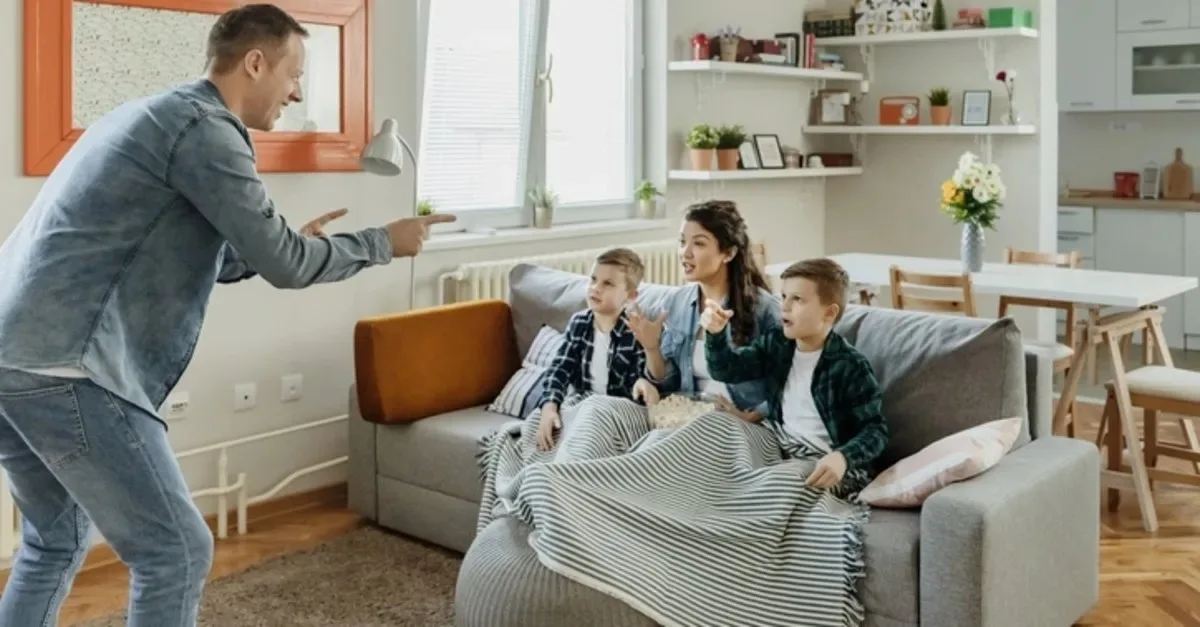
Seated games are also a practical way to make the most of time spent with children at home. These games are especially suitable for younger children and support cognitive development without placing too much demand on motor skills.
Guess What I Drew: Children draw on paper while the other players try to guess what it is. This game strengthens creativity and visual perception.
Yes or No Game: Played by asking simple questions, this game develops children’s reasoning and quick decision-making skills.
Seated games are especially suitable for enjoyable two-player games or small groups, and can be played offline.
Games That Develop Role-Playing and Empathy
Role-playing games are excellent for developing children’s social skills. Activities such as playing house or doctor help children build empathy and understand social roles.
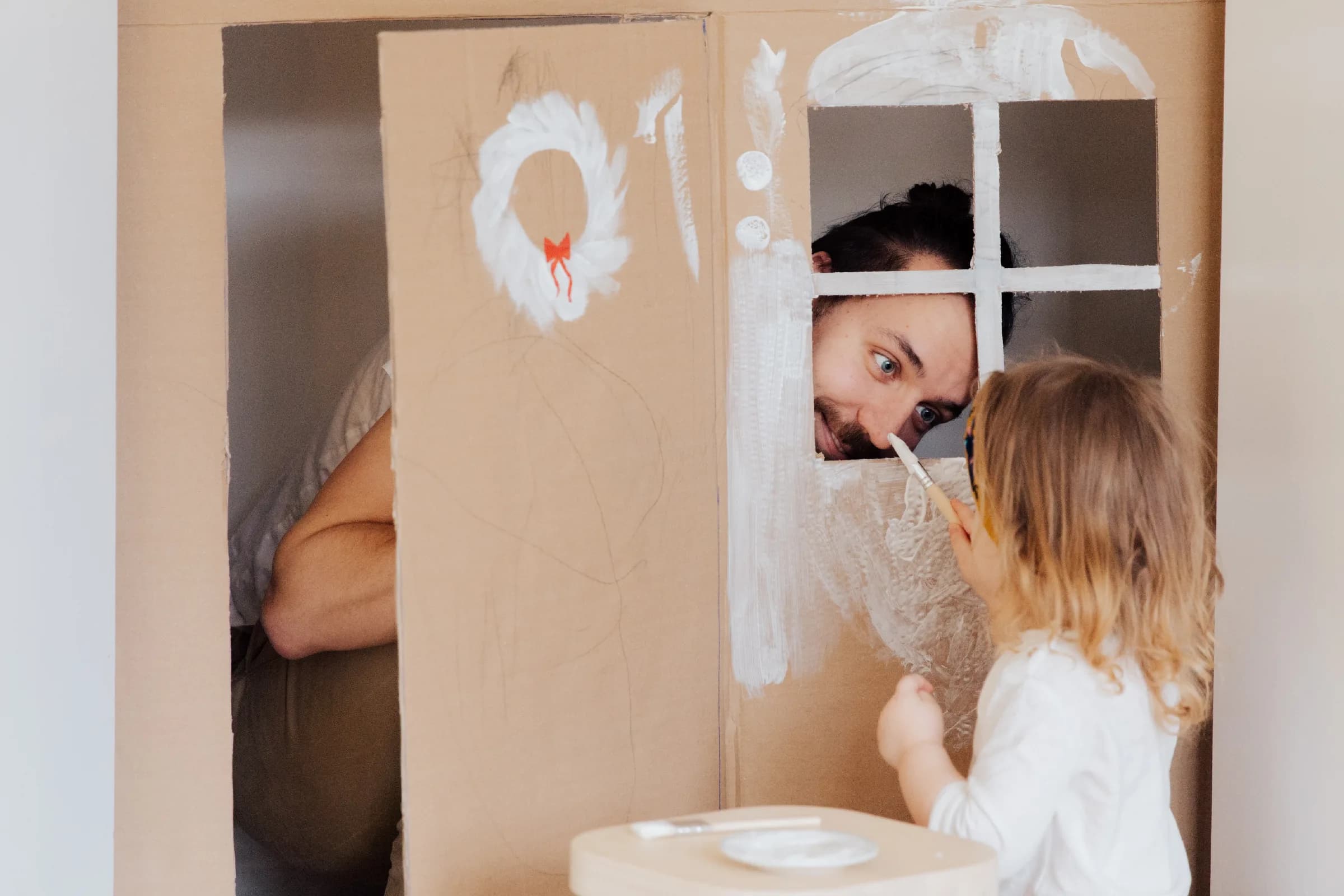
• Playing House: Children act out everyday household tasks by taking on the role of a parent or another family member. This game teaches children to cooperate, take responsibility and communicate with others. They develop social skills as they express themselves through activities such as grocery shopping, cooking or cleaning.
• Playing Doctor: Children create a healthcare scenario by taking on the role of a doctor, nurse or patient. This game helps develop empathy, understand other people’s needs and strengthen communication skills.
• Zoo Game: Children run a zoo by taking on the roles of different animals. This game helps children learn about animals and nature while also developing leadership and teamwork skills.
• Firefighter Game: Children act out a fire or emergency scenario by taking on the role of a firefighter, patient or rescuer. This game teaches courage, quick thinking and helpfulness.
Role-playing games can be adapted for both girls and boys, so the whole family can join in.

Activities That Encourage Art and Creativity
Art games are ideal for developing children’s aesthetic sense and fine motor skills. Activities such as finger painting, shaping clay or making collages are both fun and educational.
Finger Painting Game: Young children use their fingers like brushes to create patterns. This activity strengthens color recognition and hand-eye coordination.
Art Games: Projects made with paper, paint or natural materials allow children to express their creativity freely.
Art activities can be done individually or as a group under the heading of fun games to play at home.
Games for Sensory and Logical Development
Games that engage children’s different senses make it easier for them to understand the world around them.
Touch and Guess Game: Blindfolded players try to identify objects by touch. This game develops the sense of touch and concentration.
Word-Building Game: Forming new words from a starting word supports language development and quick thinking.
These types of games are especially suitable as educational games for 2-year-olds and games for 5-year-olds.
Games That Encourage Physical Activity
Children can play a variety of games at home to develop their physical skills.
Cushion Grab Game: Children try to grab a cushion while music plays. This game improves speed and reflexes.
Treasure Hunt Game: Following clues to find treasure in the home or garden encourages problem-solving and teamwork.
Physical games can be included among both games for 6-year-olds and preschool play activities.

Games That Build Knowledge and Memory
Games that develop children’s memory and learning abilities offer an educational way to spend time.
Find the City on the Map: Children locate given cities on a map. This game strengthens geographical knowledge and navigation skills.
Matching Cards Game: Finding matching cards improves children’s visual memory and concentration.
Guess the Animal Game: Played using animal sounds and imitations, this game is both fun and educational.
These games are especially suitable for preschool games and games to play with children.
Interactive Games with Rules
Do as I Say, Not as I Do: Following or not following the leader’s commands develops attention, focus and memory skills.
Guess What I Drew Game: By guessing drawings, children develop both their visual perception and communication skills.
These games can easily be played offline with two players or as three-player games, and are ideal for spending time together as a family.
These activities to play with children at home combine learning and fun. Choosing games suitable for different age groups can support children’s cognitive and physical development. Family members can also strengthen their social bonds and spend quality time by playing these games with children. Home games and educational activities make time spent at home much more valuable by helping children have fun and learn at the same time. This way, you can support your child’s development while also enjoying quality time together as a family.
You may also enjoy our blog post, Activities to Do at Home with Your Children This Weekend!
Related products
 %25 Off
10,717 ₺
8,038 ₺
Lowest price in the last 30 days: 8,038 ₺
 %25 Off
2,732 ₺
2,049 ₺
Lowest price in the last 30 days: 2,049 ₺