







































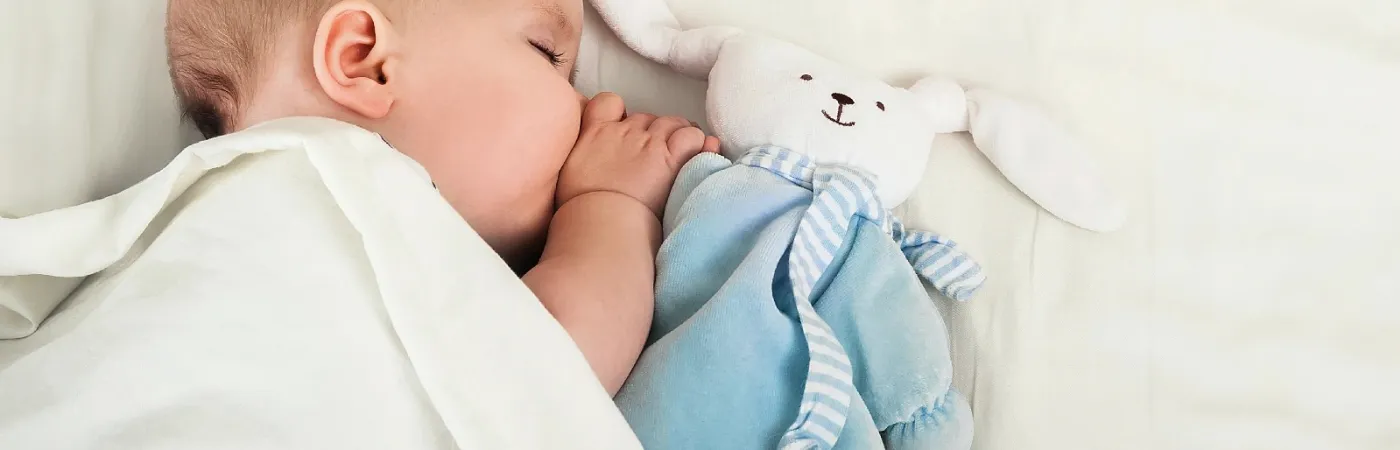


Quality sleep is essential for maintaining both physical and mental health. However, this is not only about the amount of sleep you get. The way you sleep also plays a decisive role. Sleeping in the wrong position can disrupt spinal health, cause circulation problems, and prevent you from waking up feeling refreshed.
During sleep, the body repairs muscles and joints, and the brain rests. But incorrect sleeping positions can negatively affect this process. For example, if your spine deviates from its natural alignment while sleeping, you may wake up with back or neck pain. In the long run, this can even lead to posture problems. Therefore, sleeping positions are extremely important not only for comfort but also for overall health.
Advantages and Risks of Sleeping on Your Back
Sleeping on your back is preferred by many people as a natural and relaxing sleep position. Although sleeping on your back is especially recommended for maintaining spinal alignment, in some cases it may trigger certain health issues.

Advantages of Sleeping on Your Back
Provides Spinal Support: Sleeping on your back helps maintain the spine’s natural curve. In this position, the head, neck, and spine remain aligned.
May Reduce Neck and Back Pain: When paired with the right pillow and mattress, back sleeping helps balance the pressure on the spine and can prevent pain.
Good for Skin Health: Since the face does not come into contact with the pillow, the skin experiences less irritation and the risk of acne or wrinkles decreases.
Risks of Sleeping on Your Back
May Cause Lower Back Pain: If no support is placed under the knees, a gap can form in the lower back, leading to tension and discomfort over time.
Increases Risk of Snoring and Sleep Apnea: In this position, the tongue can fall backward and block the airway. It is especially unsuitable for those who experience snoring or apnea.
May Trigger Acid Reflux: Due to gravity, stomach acid can easily travel up into the esophagus, worsening reflux symptoms.
Is Sleeping on Your Stomach Healthy?
One of the most debated sleeping positions is sleeping on the stomach. Although some people prefer it because it can reduce snoring, this position is not recommended for spinal health. The excess pressure it places on the shoulders and neck can cause muscle tension and stress on the spine.
Sleeping facedown for long periods also makes breathing more difficult. For this reason, it is never recommended for babies, as it can lead to breathing problems. In addition, pressing the face against the pillow may cause skin irritation and wrinkles. Health experts generally do not consider this position safe. In short, the harmful effects of sleeping on your stomach are significant and can lead to serious long-term issues such as posture problems or herniated discs.

Benefits of Sleeping on the Right Side
Among all sleep positions, sleeping on the right side is one of the most recommended. This posture offers several advantages for the digestive system, circulation, and overall body balance. It is also a comfortable and safe sleeping position for many individuals, especially pregnant women. Here are the key benefits of sleeping on the right side:
Positive Effect on Digestion and Acid Reflux: Sleeping on the right side helps maintain the angle between the stomach and esophagus, reducing the risk of acid reflux.
Supports Circulation: Since it does not place pressure on the heart, it helps regulate blood circulation.
A Balanced Position for the Spine: Especially when the knees are slightly bent (fetal position), the pressure on the spine decreases.
Suitable for Pregnant Women: Sleeping on the right side supports blood flow between the mother and the baby and reduces pressure on the uterus.
Supports the Lower Back and Hips: Placing a pillow between the knees reduces the load on the lower back and provides a more comfortable sleep.

Advantages and Disadvantages of Sleeping on the Left Side
Sleeping on the left side can be beneficial for certain health conditions, while it may cause disadvantages for some individuals. Although it is known to have positive effects especially on the heart and circulatory system, it may require caution in special situations such as stomach issues or pregnancy.
Advantages of Sleeping on the Left Side
Beneficial for Heart Patients: When sleeping on the left side, circulation becomes more balanced and the load on the heart may decrease.
Supports Lymphatic Drainage: According to some experts, the left side may allow the lymphatic system to work more effectively.
Disadvantages of Sleeping on the Left Side
May Increase Acid Reflux: In this position, stomach acid can move into the esophagus more easily, increasing reflux complaints.
Not Suitable for Pregnant Women: When lying on the left side, the uterus may put pressure on major blood vessels, which can negatively affect the circulation of both the mother and the baby.
If Not Properly Supported, It May Cause Lower Back Problems: Without a pillow between the knees, pressure on the lower back can increase and lead to pain.

What Causes Lower Back Pain While Sleeping?
Many people experience lower back pain when they wake up in the morning. This is often caused by sleeping in the wrong position. Not using a supportive pillow can disrupt the natural curvature of the spine. Additionally, mattresses that are too soft or too firm are among the most common causes of lower back pain. Just as choosing the right pillow and mattress is important, maintaining a balanced sleeping position is also essential.
How Should Arm Position Be During Sleep?
Some people wake up with numbness in their arms. This is generally related to incorrect arm positioning. While sleeping, arms should remain parallel to the body; they should not be raised above the head or trapped under the body. Otherwise, issues such as nerve compression and poor circulation may occur.
The correct sleeping position can vary depending on individual needs. However, among general recommendations, sleeping on the right side with slightly bent knees and proper pillow support is one of the most preferred methods. By examining illustrated guides on correct sleeping positions, you can determine the most suitable sleep posture for your body structure. Keep in mind that for a healthy sleep routine, not only the duration but also the position matters. Additionally, sleep apnea is another common cause of sleep problems. To overcome sleep issues, you should also pay attention to signs of sleep apnea.
You May Also Like → What Is Loss of Cervical Lordosis? – Pillow Recommendations for Teens with Loss of Neck Curve