
Room Guide
Sleep Training for Babies: Methods and the Right Sleep Environment!
Sleep training for babies encompasses different approaches to adjusting the support given at bedtime and daily habits. Families may turn to it because bedtime takes a long time or nights are frequently interrupted. However, waking at night is not always a habit that needs to be corrected. Understanding a baby’s feeding and care needs comes before choosing a method. A safe sleep environment is also essential, whichever approach you choose.
Establishing a calm evening routine and reducing night feeds are different decisions. Likewise, supporting your baby as they fall asleep does not mean moving them to a separate room. Daily routines take shape around the baby’s development, health and the family’s caregiving circumstances. Especially during the newborn period, responsive care matters more than a strict timetable. Small, repeated habits can create a familiar rhythm for the family as part of this care.
Assess Your Baby’s Night Wakings
Babies’ sleep patterns differ from those of adults. In the first months, they may be expected to wake during the night for feeding and care. Some babies sleep in longer stretches, while others wake more often. Even siblings growing up in the same family can have different sleep patterns. For this reason, setting the hours another baby sleeps uninterrupted as a goal for your own baby can be misleading. Don’t measure whether an approach is working solely by how many times your baby wakes at night.
How feeding is going, your baby’s overall condition and what happens during the day are also part of the picture. A sleep log can make it easier to share this information with a healthcare professional. If difficulty falling asleep has just started, consider any recent changes in circumstances. Illness, teething, a different caregiver or a move can affect the daily routine. It’s not helpful to immediately label these changes as “bad habits.” Changing methods one after another without understanding the cause can also be exhausting for the family.

When Can You Begin Working on a Sleep Routine?
Establishing a calm evening routine and using a structured behavioral method are different decisions. A routine means following a similar sequence as part of your baby’s care. A structured approach aims to change the support given as your baby falls asleep according to a specific plan. This second decision should suit your baby’s individual circumstances. Age cutoffs often seen online should not be treated as automatic starting dates for every baby. If your baby was born prematurely, has concerns around weight gain or feeding, or has a health condition that requires monitoring, discuss timing with a child health professional.
Decisions about night feeds should not be based on age alone, either. Sleep goals should never take priority over necessary feeding. It’s also important to choose a plan the family can maintain. If different caregivers follow completely different routines, it can be harder to establish a pattern. On the other hand, there’s no need for every evening to be perfect and happen at exactly the same time. The aim is to establish a clear routine that responds to your baby’s needs and that caregivers can follow.
How Sleep Training Methods for Babies Differ
When comparing methods, don’t focus only on “how many days does it take to work?” Whether the parent stays in the room, how physical support changes and how the baby’s responses are assessed are more helpful points of comparison. No approach is a reason to ignore signs of hunger, pain or illness. There’s no need to stick with a method that doesn’t suit your family just because it’s popular. Before comparing methods, talk with the caregivers about what kind of support they can maintain.
Gradually Reducing Parental Support
With this approach, the caregiver doesn’t suddenly withdraw the support they provide as the baby falls asleep. The type of support is changed over time while the baby’s responses and needs are monitored. For example, you might work toward a calmer kind of contact instead of continuous movement. The details of the approach should be determined according to the baby’s development and the family’s circumstances. The chair method is also described as one of the approaches that gradually change the parent’s proximity.
Babies respond differently to a parent’s proximity. One baby may benefit from calm contact, while another may need more support in the same situation. For this reason, a gradual approach shouldn’t be treated simply as a schedule for moving a chair farther away on set days. The cause of the baby’s distress and their care needs that night are part of the process. Adults sharing caregiving should also know how to continue providing this support.
Put-Down and Soothing Approaches
With approaches known as “pick up, put down,” the baby is supported in settling and returning to their sleep space. The basic idea is to adjust the caregiver’s support rather than withdraw it completely. Even so, babies may respond differently to being moved repeatedly. Instead of continuing repeated attempts to reach a set number of successes, observe your baby’s responses. This approach should not be confused with the decision to stop night feeds.
Signs of hunger are a care need that should be responded to, regardless of the sleep plan. A put-down and soothing approach does not remove this need. If you’re considering a change to breastfeeding or another feeding routine, follow the advice of a child health professional. Ignoring your baby’s cues in order to stick with an approach is not its purpose. The routine can be adjusted when the support needed that night changes.
Methods That Include Timed Checks
The approach known as the Ferber method is one of the methods in which caregivers check in at set intervals. Minute-by-minute schedules shared online for this method should not be treated as instructions suitable for every baby. Waiting intervals should not be applied without considering the baby’s age, health and family circumstances. If you’re considering this method, discuss whether it’s right for your baby with a child health professional. Dividing methods into two definitive groups—“cry it out” and “no-cry”—can also lead to unrealistic expectations.
Progress may not be the same every night when moving to a new routine. For this reason, promises of no crying or uninterrupted sleep on a particular night don’t set realistic expectations. What families really need is to know how to respond to their baby’s cues. When speaking with a child health professional, you can also explain who handles night care and how it’s managed. This ensures the conversation is based not only on the method’s name, but on the real circumstances in which it will be used.

What Should a Baby’s Safe Sleep Space Be Like?
A safe sleep setup should be maintained even if you decide not to change your baby’s sleep habits. The NHS recommends that babies sleep in the same room as their parents, in their own crib and on their backs, for the first six months. This is not the same as sharing a bed. Moving a baby to a separate room early on to encourage independent sleep shouldn’t be considered a necessary step. The sleep surface should be firm, flat and suitable for the baby. The mattress should fit the crib and meet the manufacturer’s size requirements.
Soft nests, head supports and decorative padding are not substitutes for a safe sleep surface. Pillows, plush toys and soft items should be kept out of the baby’s sleep space. Not everything used to make the room look beautiful should be placed inside the crib. A setup used for a photo may not be suitable for actual sleep. Consider where accessories are placed, whether the baby can reach them and whether they could fall. When choosing a product, read the model’s instructions before focusing on how it looks.
What Details Should You Check When Choosing a Crib?
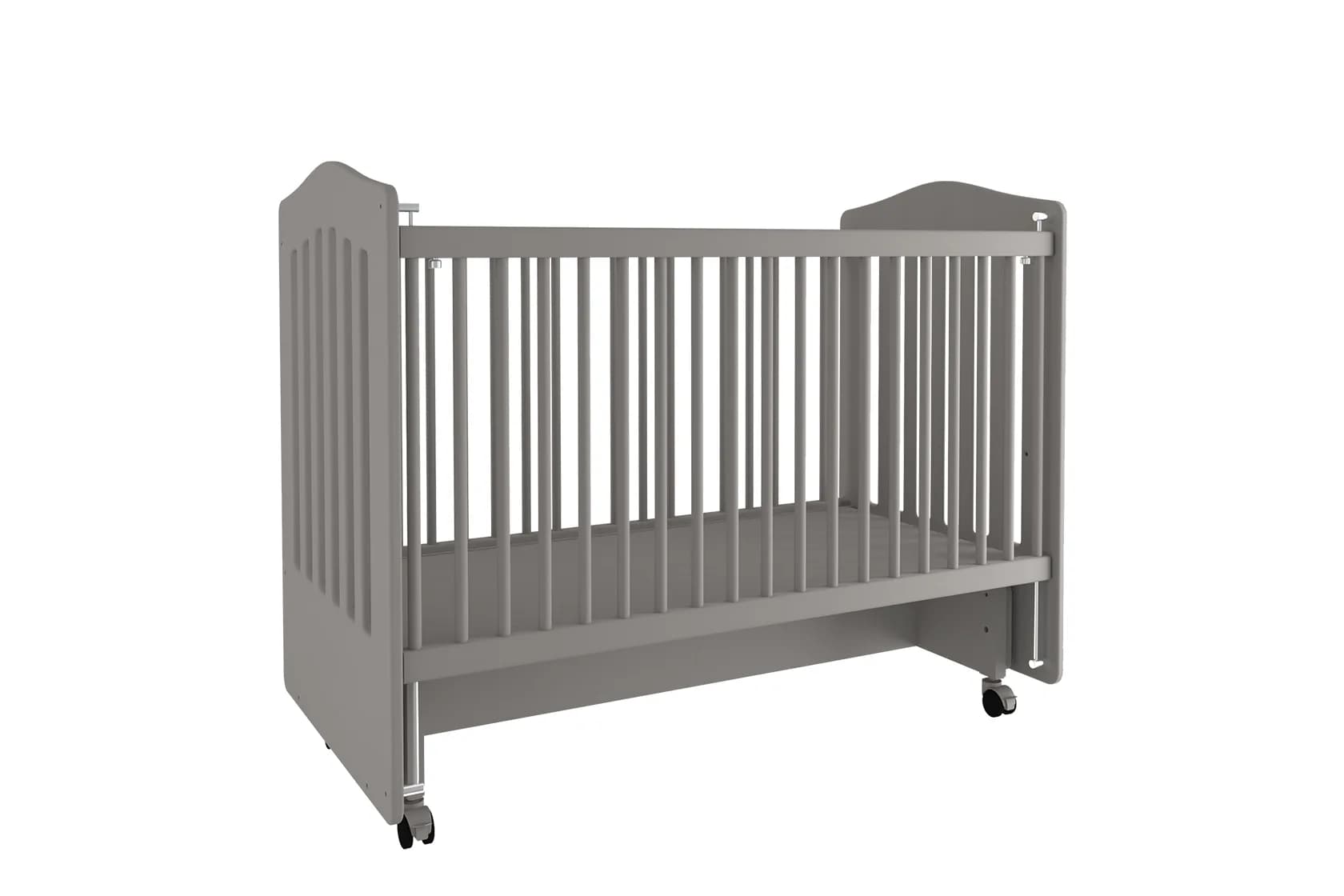
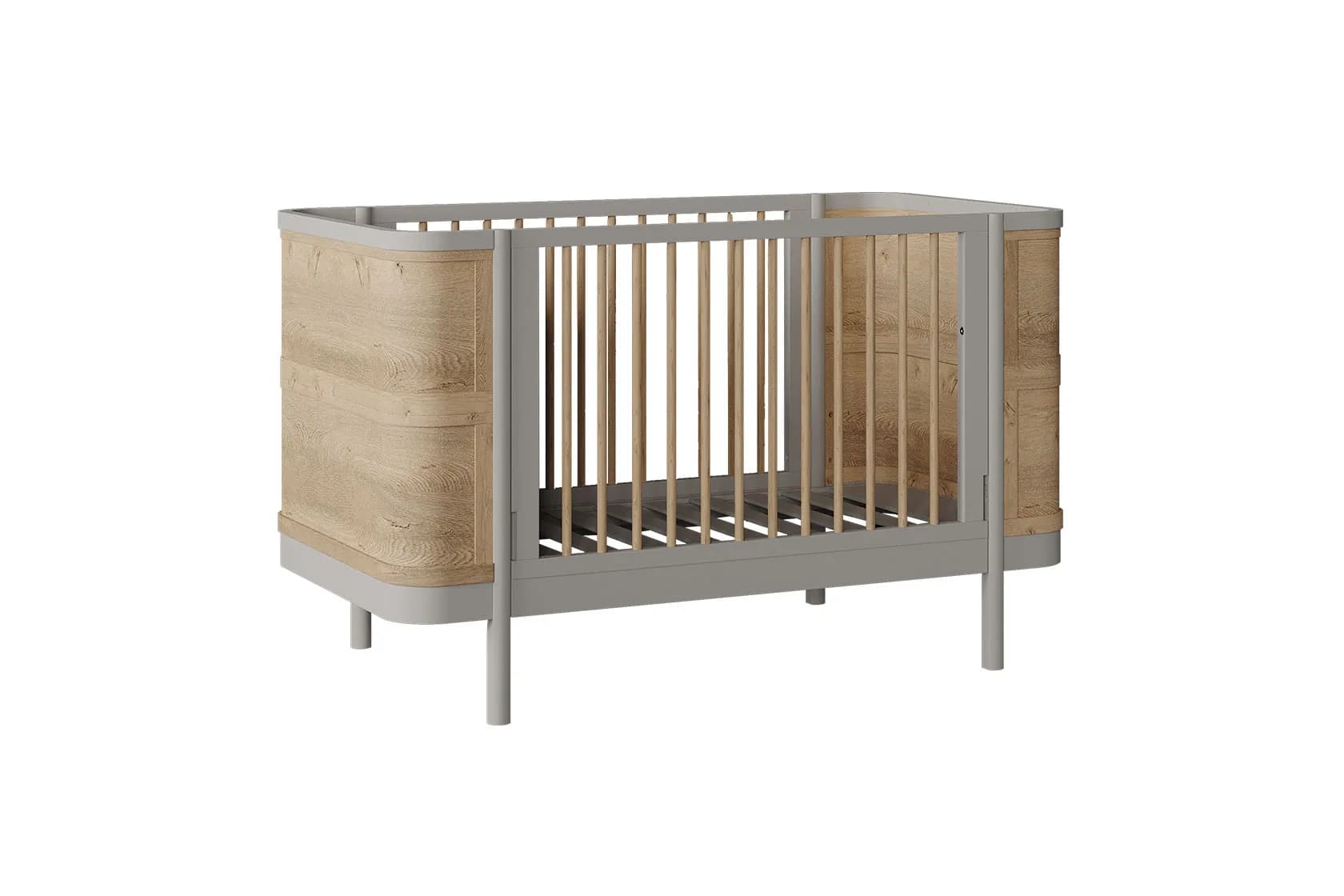
Check the model-specific usage period, mattress size and assembly requirements. If the base is adjustable, refer to the manual to determine when to use each position. Don’t use a crib completed with parts from another product or with modified fittings. Contact the manufacturer if a part is missing. When choosing a crib , the space needed for night-time care is just as important as the product’s dimensions.
The mattress dimensions describe the sleep surface, while the product’s overall dimensions show how it will fit in the room. Leaving enough space beside the crib for a caregiver to get close makes night-time preparations easier. Keep curtain cords, cables and items that could fall out of the baby’s reach. Limiting your assessment of the layout to the view from an adult’s position at the bedroom door can mean overlooking certain access points. So plan the layout with the area your baby can reach from inside the crib in mind. Suitable furniture supports the physical environment, while other sleep-related needs are addressed as part of caregiving.
How Can You Simplify the Evening Routine?
A routine doesn’t have to become a long to-do list. A few repeated steps, such as changing a diaper, putting on suitable clothes, offering calm contact and singing a short lullaby, can be a good start. Bath time is part of the routine for some families, but it doesn’t have to happen every evening. If an activity makes your baby more energetic, you can rethink the order. Keeping the lights low and your voice calm during night care can help make the difference between day and night more noticeable. That said, completely eliminating all noise in the home isn’t necessary or possible for every family.
There should be enough light to provide care safely. Carrying your baby or preparing things in complete darkness can create new difficulties. Keeping necessary items within reach before bedtime makes things easier for adults. You can set aside a dedicated place for clean clothes and care products. They don’t need to go inside the crib. The aim of preparing ahead is to reduce the need for adults to leave the room to look for things while the baby is settling.
How Should You Track Changes in Your Baby’s Sleep Routine?
A brief log can help you see what was different on a particular evening. You can note bedtime, feeding and significant wakings. There’s no need to turn every movement into a detailed chart. If keeping a log causes the family more stress, just record the key details you may need for a doctor’s appointment. One good or difficult evening isn’t enough to reach a firm conclusion about the overall approach. Sleep patterns can change as your baby grows.
When assessing goals, consider your baby’s care needs and the family’s need for rest together. Thinking, “We’ve failed if the baby didn’t sleep through the night,” can make the process unnecessarily stressful. Sharing caregiving is also part of the plan. When it works for the family, another adult can take on some of the night-time preparations or morning care. Asking for support doesn’t mean there’s a problem with your baby’s sleep habits. When an adult is becoming more tired, dividing responsibilities is especially important to maintaining safe care.
When Should You Seek Professional Advice About Your Baby’s Sleep Problems?
Consult a child health professional if sleep difficulties are accompanied by feeding problems, concerns about weight gain, obvious pain or persistent discomfort. Changes in your baby’s general condition shouldn’t be dismissed as just a habit. If you notice symptoms such as breathing difficulties, bluish skin or lips, or a marked lack of responsiveness, seek urgent medical care rather than continuing to try a sleep plan. Be specific about your goals when speaking with a professional. Instead of saying, “The baby never sleeps,” explain how difficult it is to settle, when your baby wakes and how feeding is going.
Share information about any medications and recent illnesses, too. This can help distinguish developmental changes from issues that need assessment. Before your appointment, you can prepare a few brief notes about your main observations. If you have a log, show feeding times alongside wakings. That way, the conversation won’t focus only on total sleep duration.
Agree on a Shared Routine Among Caregivers
If more than one person cares for your baby, briefly share the main steps of the evening routine. Everyone should know where supplies are kept, how the baby is soothed and what the feeding plan is. There’s no need for this to become a lengthy rulebook. A change of caregiver shouldn’t mean a change in safe sleep conditions. A type of support that one adult finds easy may be challenging for another.
In these situations, rather than trying to copy the same actions exactly, you can agree on shared principles that meet your baby’s needs. It’s also helpful to discuss in advance how care will be handed over when everyone is tired. The family’s need for rest shouldn’t be considered solely in terms of how many hours the baby sleeps. When handing over night duties, share the most recent care provided. This way, the next adult won’t have to repeat the same preparations.
Frequently Asked Questions
Is sleep training necessary for every baby?
Structured sleep training isn’t necessary for every baby. Some families can maintain their daily routine with a calm bedtime ritual. For others, it may be helpful to adjust the support given as the baby falls asleep. This decision shouldn’t be based on how many hours other babies sleep. Your baby’s needs and your family’s caregiving circumstances are the starting point.
Does sleep training mean stopping night feeds?
Changing the support given at bedtime doesn’t mean stopping night feeds. Your baby’s need for feeding is independent of the goal of sleeping uninterrupted. It should be considered according to your baby’s development, weight gain and health. When your baby wakes at night, simply looking at the time isn’t enough to make a decision. If you’re considering changing feeding, follow the advice of a child health professional.
Should a baby sleep in their own room?
A separate room isn’t required for independent sleep. The NHS recommends that babies sleep in their own crib in the same room as their parents for the first six months. This distinguishes room-sharing from bed-sharing. An evening routine can continue with this arrangement. Moving to another room shouldn’t be treated as a measure of success for a method.
Which method works faster?
There’s no ranking of methods by speed that applies to every baby. The reason a baby has difficulty settling also affects the support they need. A routine that one baby adapts to quickly may not work the same way for another. So judging the result only by the number of nights that have passed can be misleading. Keep track of your baby’s responses and whether the care plan is sustainable.
Is it safe to put a pillow or toy in the crib?
Pillows, plush toys and soft supports should not be in a baby’s sleep space. Although these items may look decorative, they are not part of a safe sleep surface. Adding more things to the crib shouldn’t be used as a way to help your baby settle. Keep the sleep surface firm, flat and suitable for your baby. Place decorations outside the sleep space, taking your baby’s reach and the risk of items falling into account.
Do you need to change everything after a few difficult nights?
A few difficult nights don’t mean the whole routine needs to change. First, consider what may have changed in feeding or the daily routine on those days. Illness or obvious discomfort may also be factors. Changing methods constantly can make it harder to understand the cause of the difficulty. If you’re concerned about your baby’s health, consult a child health professional instead of trying a new approach.
Will buying a crib solve sleep problems?
A suitable crib can help create a safe sleep space. However, furniture isn’t the cause of every difficulty with falling asleep. Feeding, development and daily caregiving routines also matter. For this reason, it’s not possible to promise results within a certain timeframe just by changing products. Choosing a crib supports the physical environment, while sleep-related support addresses your baby’s individual needs.
You may also be interested à A Guide to Choosing a Crib: “Until What Age?” and Your Baby’s Growth Journey
Related products
 %25 Off
W: 124.6 · D: 70 · H: 101.2 cm
28,376 ₺
21,282 ₺
Lowest price in the last 30 days: 21,282 ₺
 %25 Off
W: 124.6 · D: 70 · H: 101.2 cm
28,376 ₺
21,282 ₺
Lowest price in the last 30 days: 21,282 ₺
 %25 Off
W: 70.5 · D: 1.8 · H: 30 cm
1,996 ₺
1,497 ₺
Lowest price in the last 30 days: 1,497 ₺