Sleep and Beds
Spring Mattress or Foam Mattress? Which Is Right for Whom?
Learn about the advantages of spring and foam mattresses when choosing a bed. This guide will help you find the best mattress type for your needs.
· Update:
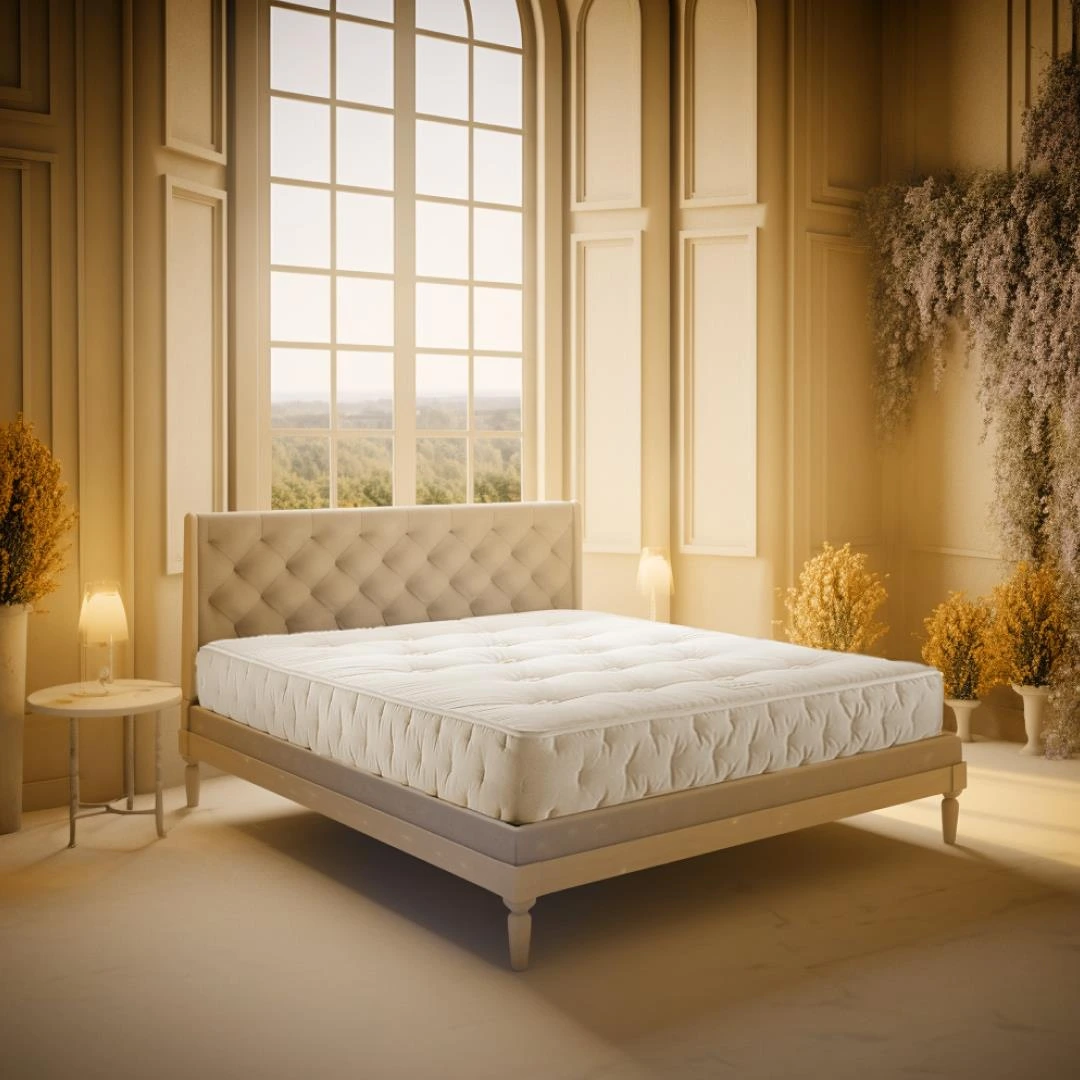
Choosing a mattress is one of the most important factors directly affecting our sleep quality. There are many different types of mattresses available today, and choosing between them can be quite difficult. In particular, many people are unsure whether to choose a spring or springless mattress, or a spring or foam mattress.
Spring mattresses provide support with their internal spring systems. While spring mattresses may have a firmer surface, springless mattresses are generally softer and conform better to the body. The choice between a spring and springless mattress depends on personal preference, as well as body type and sleeping position. If you’re looking for a firm, supportive mattress, a spring mattress may be more suitable. However, if you prefer a softer, more flexible surface, a springless mattress may offer greater comfort.

Features of Spring Mattresses
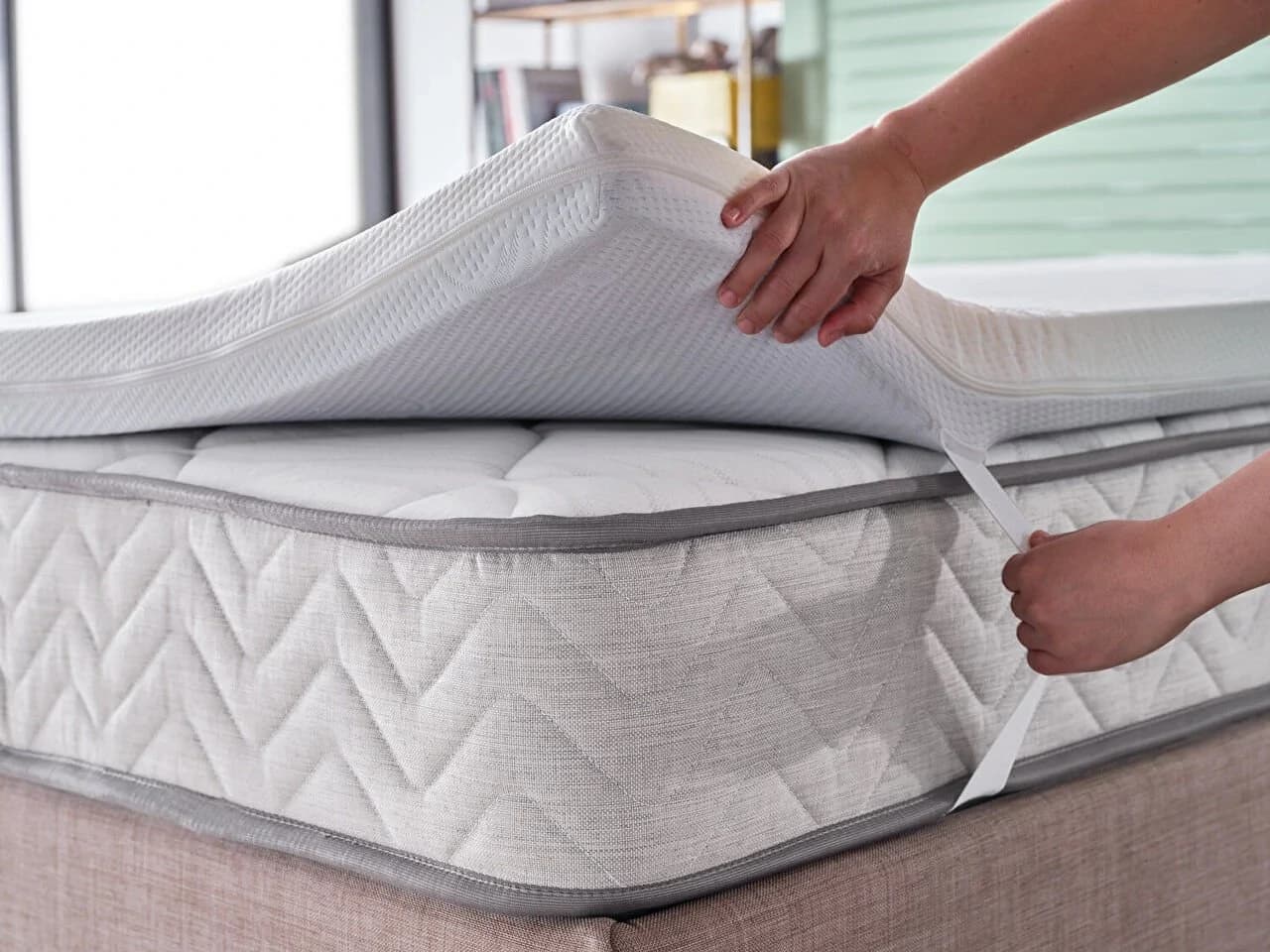
Spring mattresses provide extra support thanks to their internal spring systems. This system distributes pressure evenly across every part of the body, offering durability for long-term use. Folding spring mattresses can also be a practical choice for guest beds.
Construction and Materials of Spring Mattresses
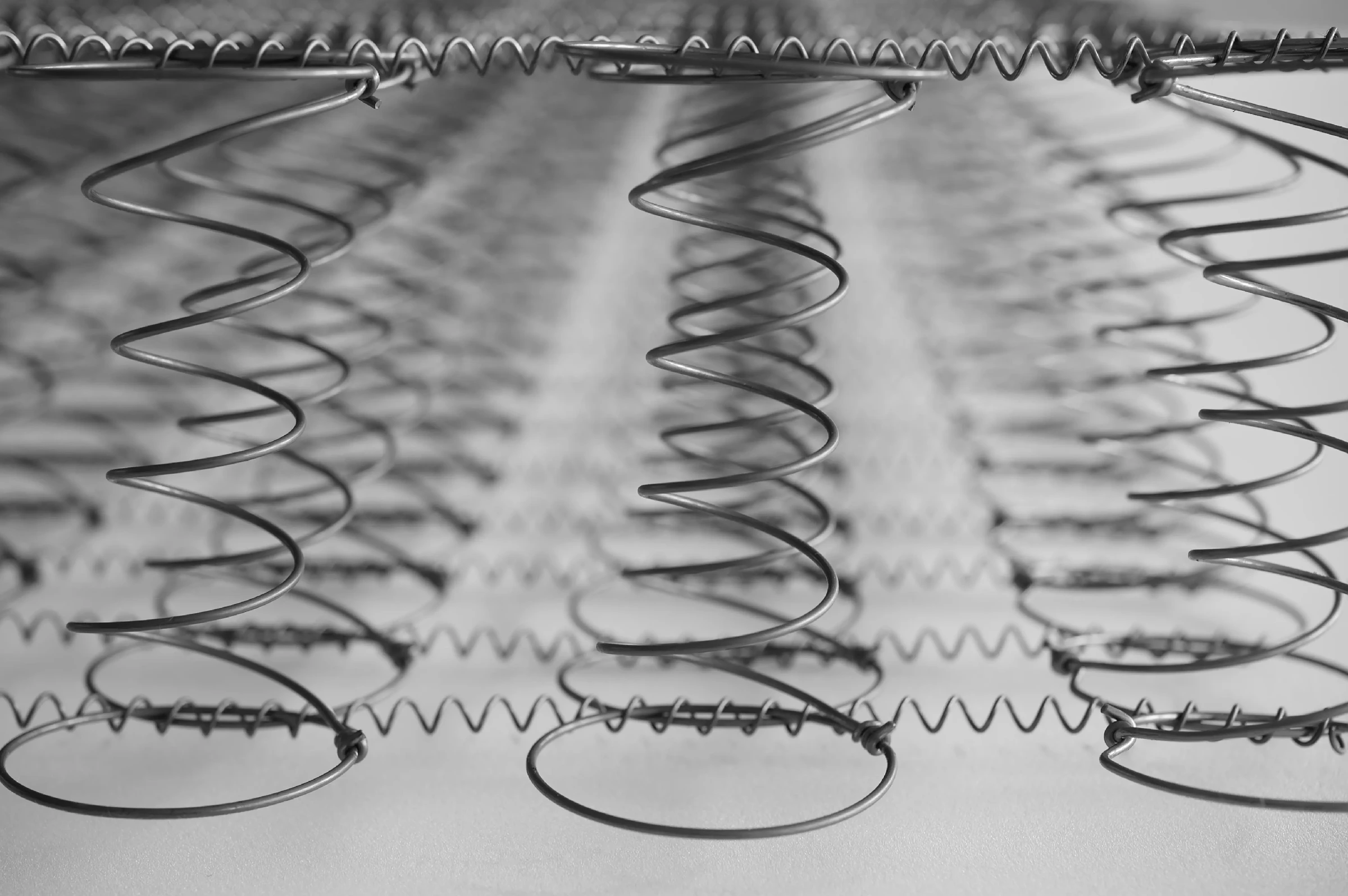
One of the most important components of a spring mattress is its internal spring system. These springs are generally made of steel and offer flexibility as well as long-lasting use. Spring mattresses are also typically supported by filling materials such as foam or cotton, helping make the mattress both soft and sturdy.
Advantages and Disadvantages of Spring Mattresses
Thanks to their spring systems, spring mattresses have distinctive features and offer benefits suited to different user needs. They are often chosen for their support and durability, but they also have some drawbacks. Here are the advantages and disadvantages of spring mattresses:
Advantages
- Provides support: The spring system conforms to the body’s natural curves, helping support spinal health.
- Durability: Spring mattresses are generally highly durable and designed for long-term use.
- Air circulation: The spaces between the springs allow air to flow more freely, helping the mattress stay cooler.
- Variety: A wide range of comfort levels is available thanks to different spring technologies (Bonnell, steel springs, pocket springs, etc.).
Disadvantages
- Weight: Spring mattresses can be quite heavy, which may make them difficult to carry or move.
- Noise: Over time, the springs may start to squeak, which can negatively affect sleep quality.
- Spring deformation: With prolonged use, the springs may lose their flexibility, causing indentations to form on the mattress surface.
What Are Springless Mattresses?
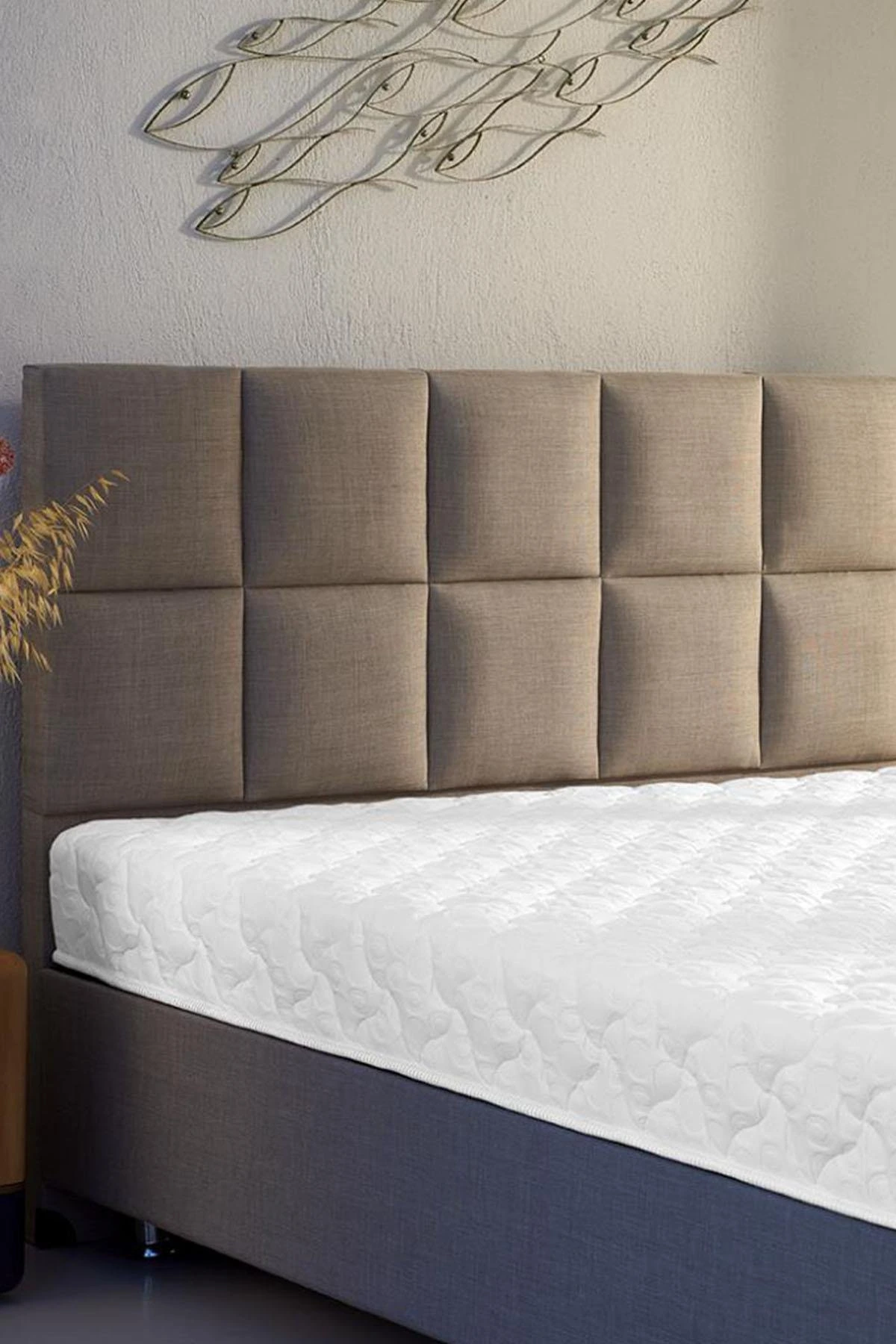
As the name suggests, springless mattresses do not contain a spring system. Instead, they provide support using different filling materials. Springless mattresses are generally softer and designed to conform closely to the body. Here are some types of springless mattresses:
Visco Mattresses
Visco mattresses are made from a special material known as memory foam. They adapt to the body’s temperature and weight, providing full-body support during sleep. They are an ideal choice, particularly for those who experience back or lower back pain.
Latex Mattresses
Latex mattresses are made from natural rubber and offer excellent flexibility thanks to their natural composition. They are known for their antibacterial properties and are suitable for people with allergies. Latex mattresses are also highly durable and can be used for many years.
Natural Mattresses
Natural mattresses are generally made from organic materials. As they contain no chemicals, they are an eco-friendly choice. Made from materials such as cotton, wool or coconut fibre, natural mattresses are ideal for environmentally conscious users.
Floor Mattresses
Floor mattresses are generally preferred by those who embrace a minimalist lifestyle. With their thin, springless design, they can be placed directly on the floor. Popular in Japanese culture, floor mattresses are a practical choice because they take up little space and are easy to use.
Features of Springless Mattresses
Springless mattresses are generally soft and conform closely to the body. These mattresses do not require a spring system; instead, they distribute body weight evenly for a comfortable night’s sleep. They are also quieter than spring mattresses, with no issues such as squeaking springs.
Advantages and Disadvantages of Springless Mattresses
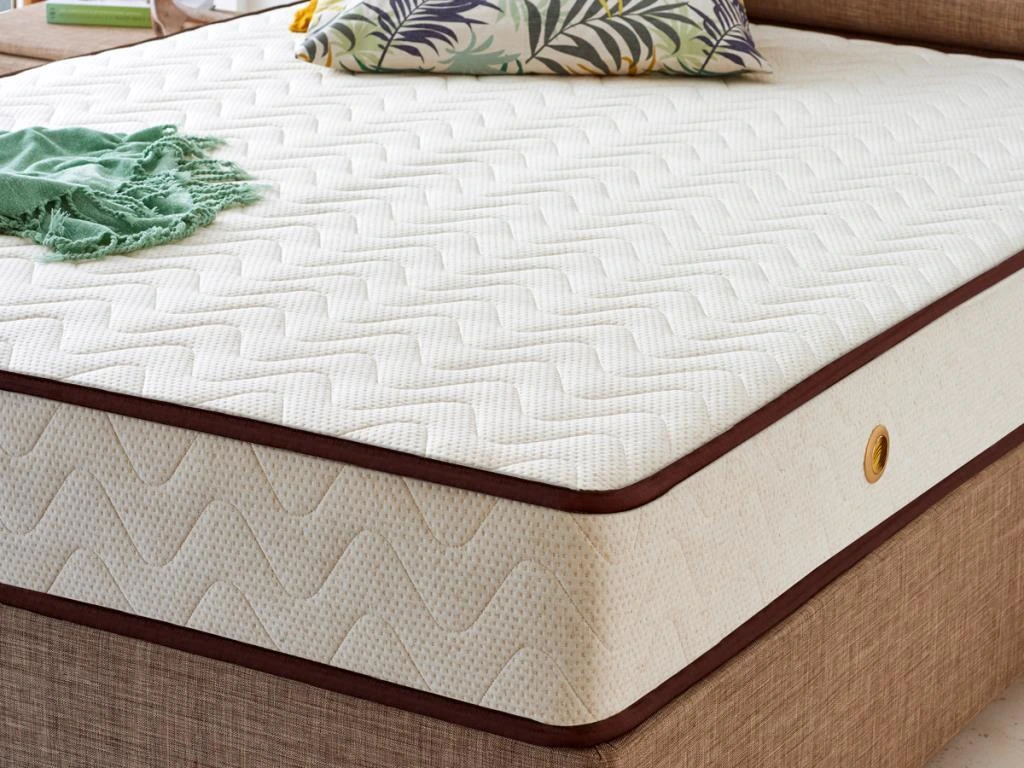
While these mattresses contain no springs and offer many benefits, particularly in terms of comfort and health, they also have some drawbacks. Here are the advantages and disadvantages of springless mattresses:
Advantages
- Excellent body support: Springless mattresses conform closely to the body, reducing pressure points and helping you sleep more comfortably.
- Hypoallergenic properties: Springless mattresses help reduce the buildup of allergens and dust mites, making them a suitable choice for people with allergies or asthma.
- Low maintenance: As they have no spring system, springless mattresses are easier to maintain and are less likely to sag or become misshapen over time.
- Quiet: Springless mattresses are exceptionally quiet, as there are no springs to make noise when the mattress moves. This can provide an uninterrupted night’s sleep.
- Durability: Springless mattresses made from quality materials can retain their shape even with long-term use and are built to last.
Disadvantages
- Heat retention: Some springless mattress materials, particularly visco mattresses, may retain body heat and feel too warm for some users.
- Higher cost: High-quality springless mattresses generally cost more and may require a larger initial investment.
- Weight: Springless mattresses can be quite heavy, which may make them difficult to carry or move.
- Limited surface flexibility: Some types of springless mattresses, particularly lower-quality models, may not support the body sufficiently or may develop indentations over time.
- Air circulation: They may allow less airflow than spring mattresses, which can affect comfort in warm climates or for people who tend to sleep hot.
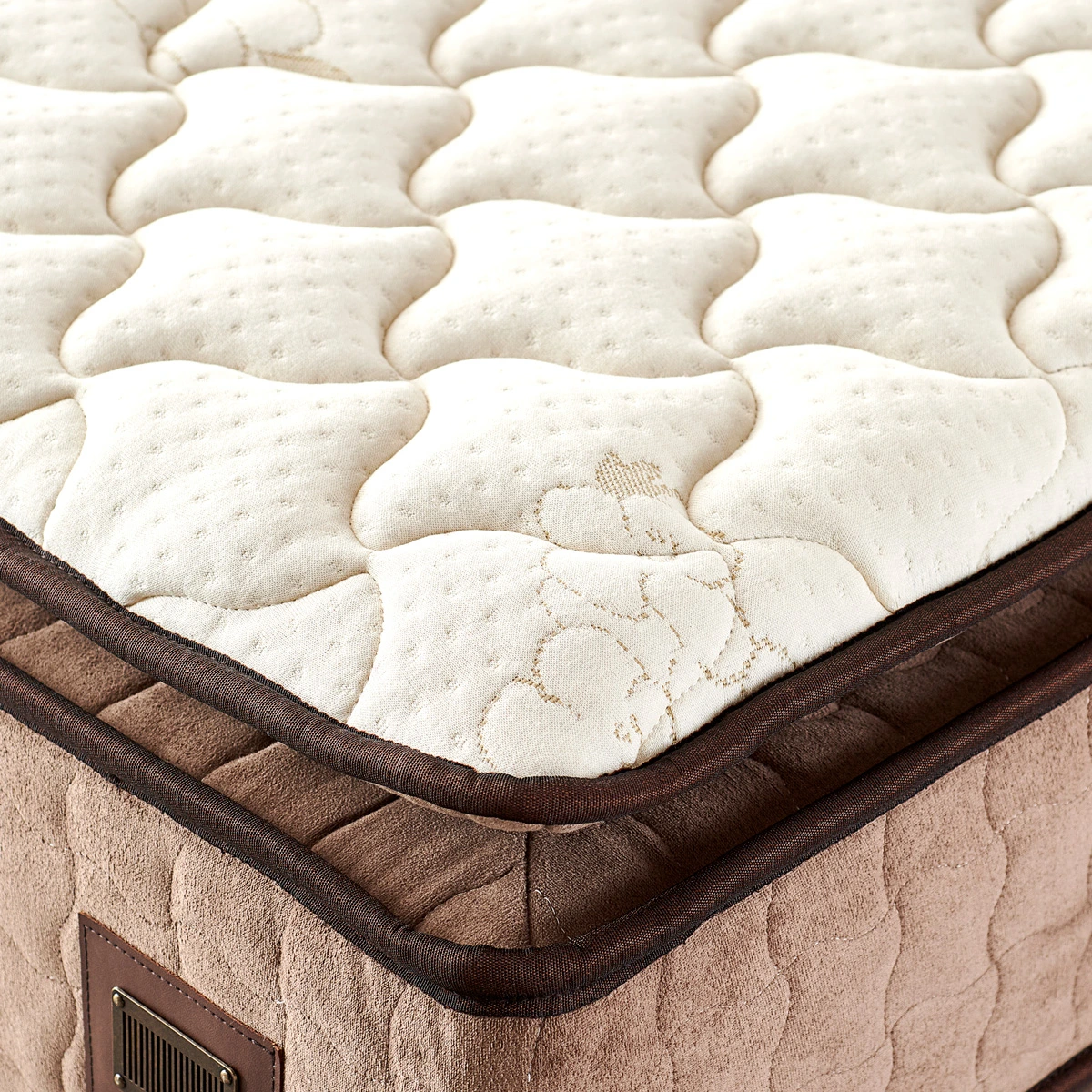
These advantages and disadvantages are important factors to consider when choosing a springless mattress, and should be weighed according to each person’s needs.
Which Mattress Type Is Right for Whom?
Spring and springless mattresses meet different needs thanks to their distinct features. Here’s a detailed look at which type of mattress is right for whom.
Who Are Spring Mattresses Suitable For?
- Those with spinal or back problems: With their firm support, spring mattresses help maintain spinal alignment and are ideal for people with back pain.
- Those with a heavier body type: The spring system is designed to support greater body weight, making these mattresses more suitable for larger or heavier individuals.
- Those who prefer to sleep cool: The structure of spring mattresses promotes airflow, helping the mattress stay cooler and making them a suitable option for people who tend to sleep hot.
- Those looking for an affordable option: Spring mattresses are generally more affordable than springless mattresses, offering a budget-friendly solution.
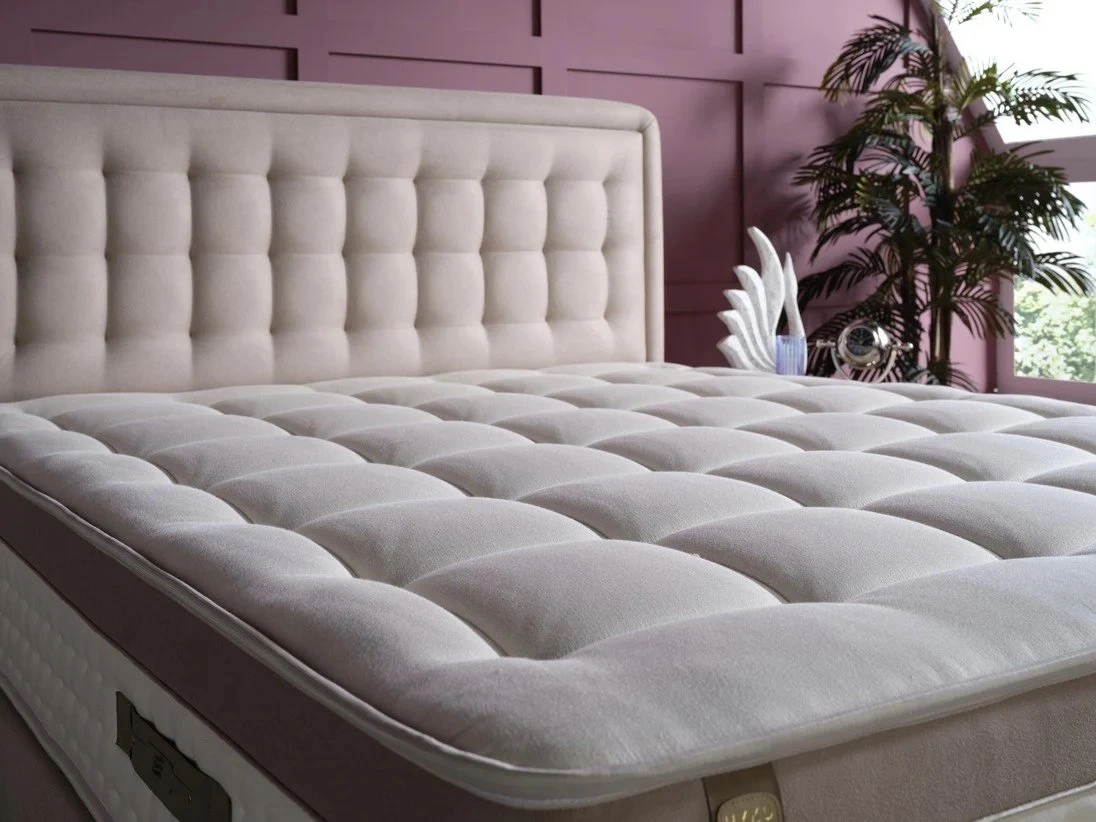
Who Are Springless Mattresses Suitable For?
- Those with sensitive skin or allergies: Springless mattresses are generally made from hypoallergenic materials and help prevent the buildup of allergens such as dust mites.
- Those who want to sleep undisturbed by their partner: Springless mattresses prevent movement from spreading to other areas of the bed, so one partner’s movements are less likely to disturb the other.
- Those with chronic pain: Springless mattresses such as visco or latex, which conform closely to the body, can ease pain by reducing pressure points.
- Those looking for a long-lasting mattress: As springless mattresses have no spring system, they generally last longer and are less likely to become deformed over time.
- Those looking for a quiet mattress: With no metal springs inside, springless mattresses offer a quieter sleep experience.
You May Also Like→ When Should You Replace Your Mattress? How Long Does a Mattress Last?