Decorating
What Is Monochrome? Monochrome Style in Home Décor
Monochrome décor creates calm, balanced living spaces by using different shades of a single color. The right colors, textures and lighting add depth to a room.
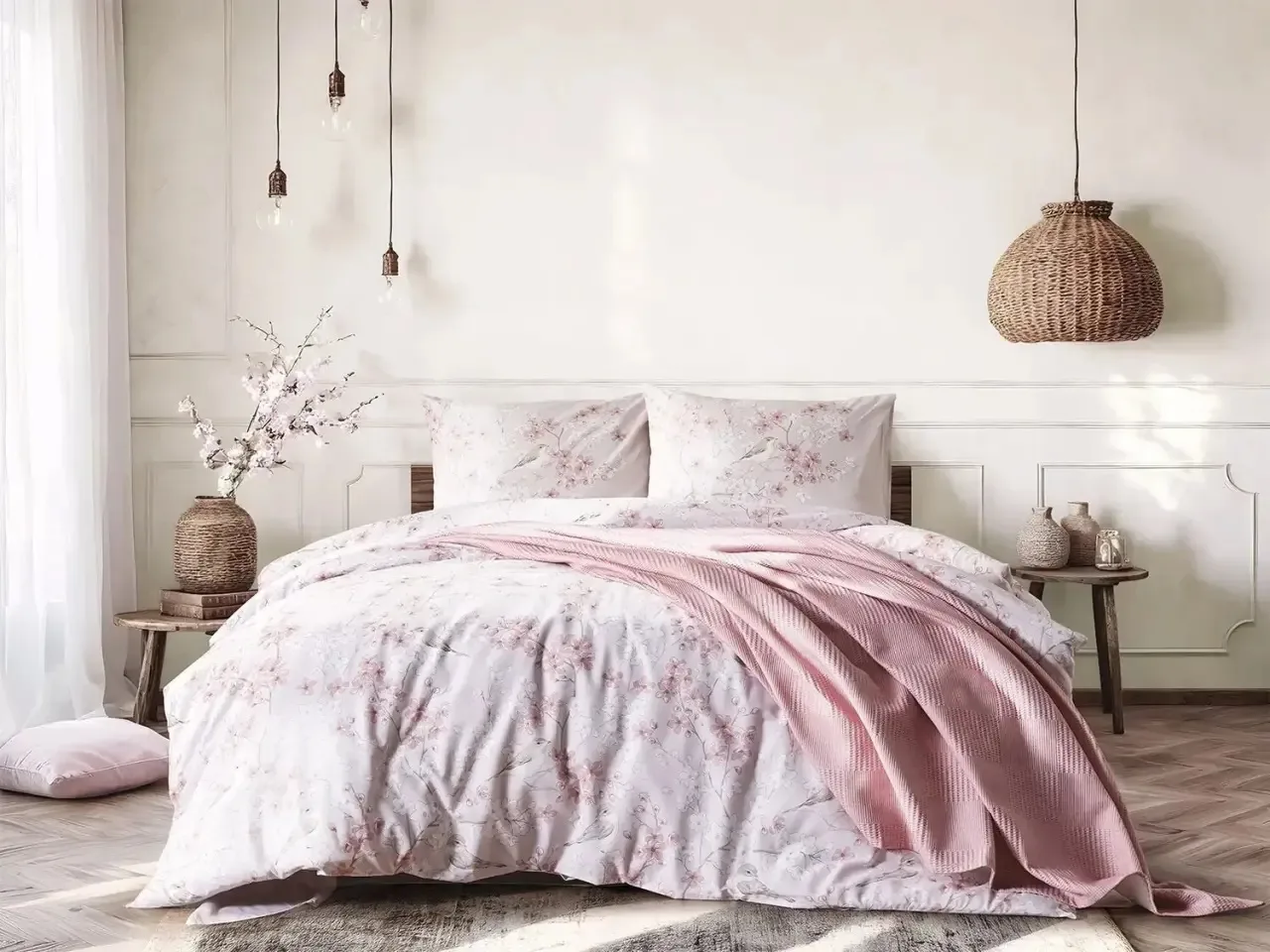
Throughout human history, the need for shelter has developed hand in hand with the disciplines of arranging surroundings and creating aesthetic harmony. Over time, this process evolved into modern interior design, guided by architectural movements and artistic disciplines. In today’s fast-paced world, where visual clutter is ever-present, simplicity, serenity, and design consistency have become more than preferences—they are essential for professional living spaces. In this context, the monochrome approach is a timeless design strategy that uses a single colour to bring depth, character, and structural tranquillity to interiors.
Derived from the Greek words “monos” (single) and “chroma” (colour), monochrome refers to presenting different tones, values, and saturation levels of a single colour in a harmonious hierarchy. Contrary to popular belief, it is not limited to black and white, but encompasses the full spectrum of any colour. In the world of design, this style is favoured to minimise visual clutter and focus attention on forms, surface textures, and architectural details.
The primary goal of using monochrome in interior design is to eliminate visual conflict between the elements of a space. When furniture, accessories, and structural surfaces are conceived as different variations of a single colour palette, they create a cohesive composition in which every element complements the others. This approach is one of the most effective ways to eliminate spatial clutter and create a prestigious, balanced atmosphere, particularly in modern and minimalist interiors.
How Do You Apply Monochrome Style, and What Are Its Key Principles?
Bringing this style into your living spaces doesn’t simply mean painting everything with the same tin of paint. On the contrary, the key to avoiding monotony while working within a single palette is to master the techniques of contrast and layering. Follow these steps to make the process of creating a successful monochrome style easier:
Choose Your Base Colour: Select the colour you’ll spend the most time with in the room and that best reflects your mood. It could be a shade of grey, a bolder green, or a soothing beige.
Tone-on-Tone Transitions: Use the full spectrum of your chosen colour, from the lightest cream shade to the darkest anthracite. This adds three-dimensional depth to the space.
Focus on a Variety of Textures: When the colour remains constant, the eye starts seeking out different textures. Create rich visual texture by bringing together matte walls, velvet armchairs, coarsely woven linen curtains, and shiny metallic accessories.
Make the Most of Lighting: In a single-colour room, light helps define shadows. Create a sense of dynamism by highlighting different corners of the room with varying levels of illumination.
When you follow these principles, the space takes on a story of its own, and every monochrome transition you choose enhances the room’s character.
How Can You Create Bright Spaces with White and Beige?
One of the most effective applications of the monochrome approach in interior design is in smaller spaces where a sense of airiness is a priority. A scheme dominated by neutral shades such as white and beige distributes light evenly throughout the space, creating a sense of greater volume. The main risk, however, is that the space may lose its sense of dimension and feel sterile and cold. To avoid this, transitions between tones and the hierarchy of textures must be carefully managed.
The Power of White Tones: Success in a monochrome scheme isn’t about using plain white alone; it’s about layering warm undertones such as off-white, bone, and ivory. This approach gives the space architectural depth instead of a “clinical chill.”
Beige and Natural Textures: Beige, the most elegant representative of earthy tones, plays a balancing role in monochrome palettes. Beige tones paired with linen textiles, matte lacquered surfaces, and natural wood grain create rich layers without disrupting visual continuity.
The way light reflects off different surfaces keeps the eye engaged in a single-colour room, while combining minimalist aesthetics with exceptional comfort. Ultimately, monochrome style eliminates visual conflict between the elements of a space, creating a cohesive composition in which each element complements the others. This approach is one of the most effective ways to eliminate clutter and create a prestigious, balanced, and serene atmosphere in modern living spaces.
A Green Monochrome Scheme Inspired by Nature
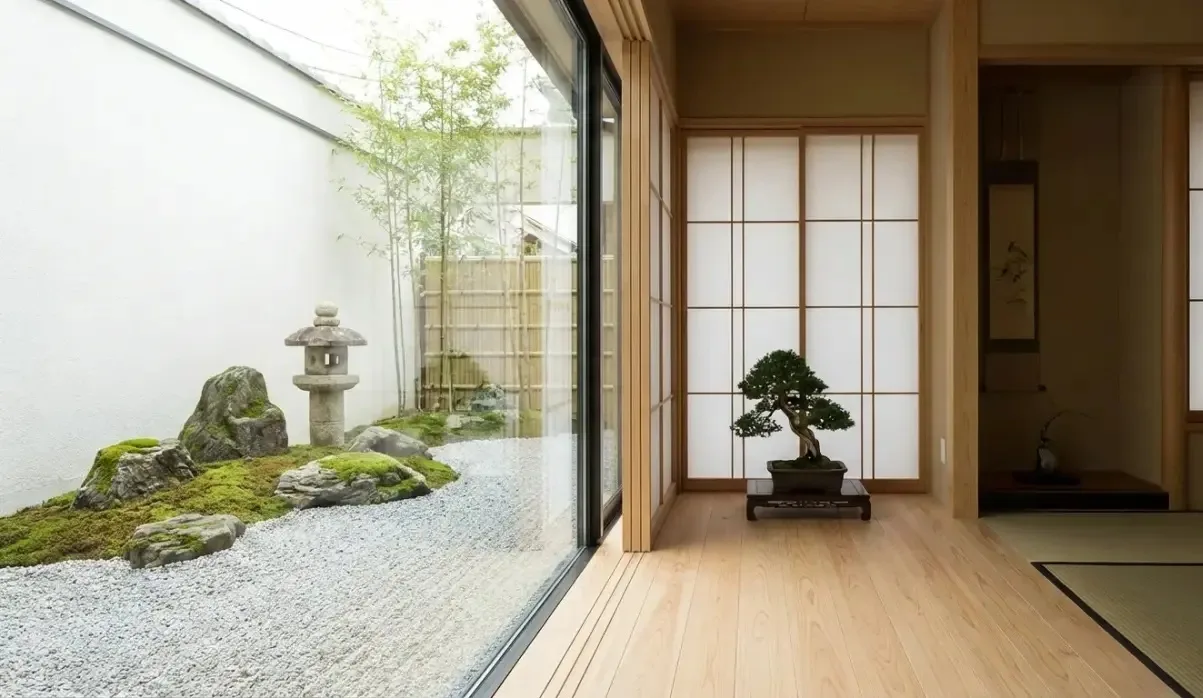
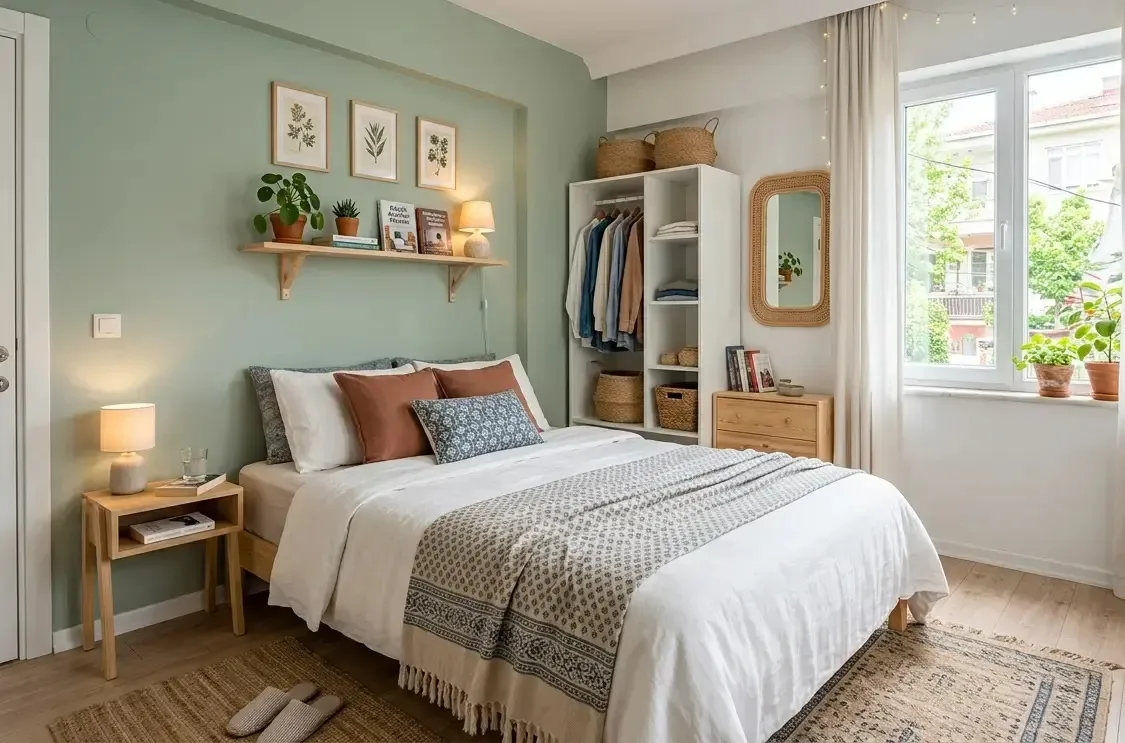
Green symbolises renewal and balance. With the rise of the “biophilic design” trend in recent years, using green in monochrome schemes has grown in popularity. A palette stretching from forest green to mint green in a home office or living room can improve focus and reduce stress.
Plants are your greatest allies in a green monochrome scheme. The natural shades of green in their leaves create a wonderful contrast with painted surfaces. Place a light-green armchair in front of a dark-green wall and add olive-green cushions to bring all the layers of nature into your home. This style is ideal for anyone who wants a vibrant home atmosphere without going overboard.
The Striking Look of Black and White
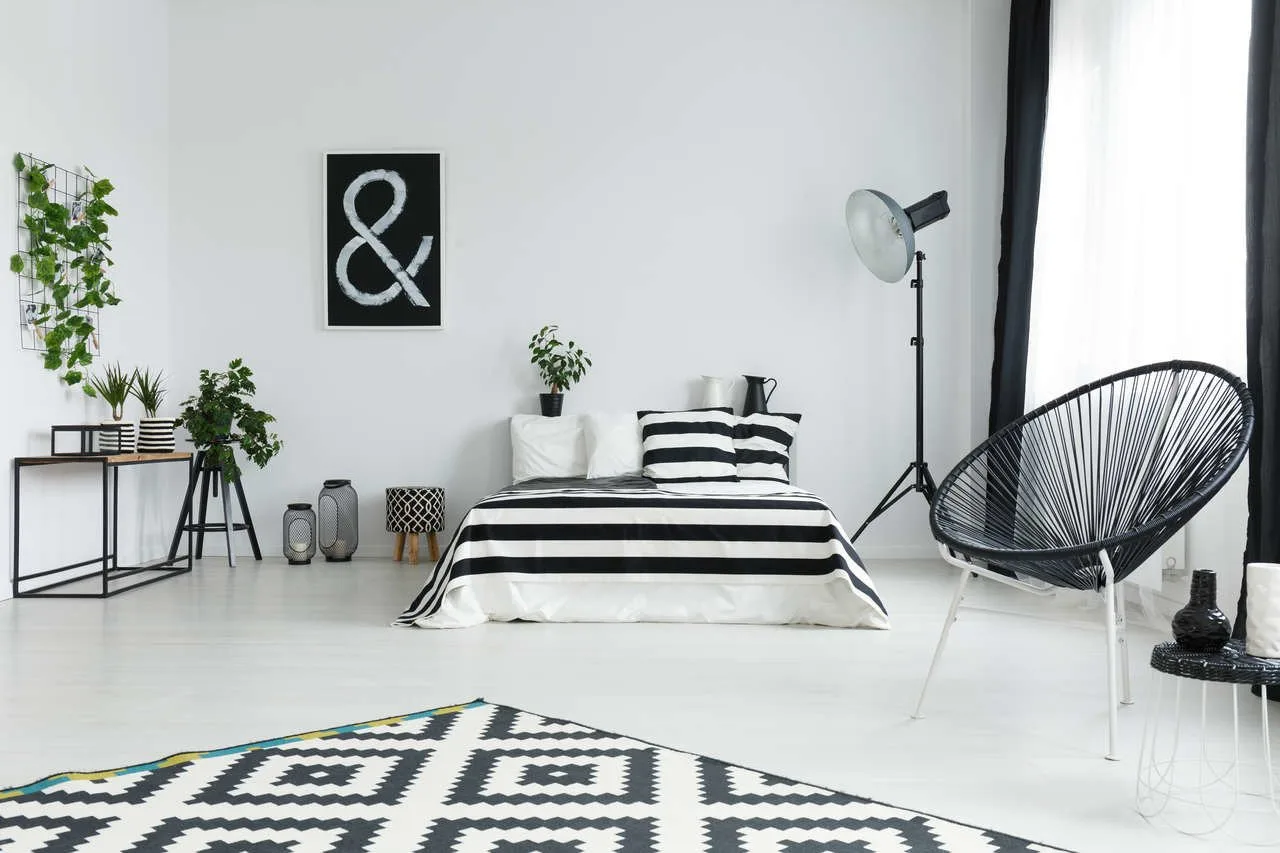
Without a doubt, the first and most iconic pairing that comes to mind when we think of monochrome is black and white. When applied well, this “most powerful pairing” in the design world can transform a space into a work of art straight from a magazine cover.
The dramatic, elegant presence of black and the pure, bright character of white create a high-energy atmosphere. You can use shades of grey as a bridge to soften this contrast. For example, white walls, a grey floor, and furniture with black metallic details create a wonderful balance. In this style, geometric patterns—such as checkerboard floors or striped cushions—are great ways to keep visual interest alive. If the room feels too stark, a wooden piece or brass lamp will add warmth without diminishing the contrast.
Single-Colour Elegance in Bathrooms and Kitchens
Applying this style in bathrooms and kitchens, where water is used, reinforces a sense of cleanliness and hygiene. A bathroom covered entirely in white tiles, paired with polished chrome taps and white towels, creates a modern spa-like effect. In kitchens, the all-grey or anthracite designs that have become popular in recent years make an industrial and sophisticated statement. To maintain a single-colour look in these spaces, take care to choose kitchenware and bathroom accessories that match your chosen base colour (or come in neutral tones).
In summary, embracing a monochrome approach brings not only visual order to your home, but also a sense of mental clarity. Instead of getting lost among complex colour combinations, you can explore the depths of a single colour to express yourself and your style in their purest form. Less is, in fact, more, and a single colour, blended with the right tones, can bring a special character to a space that thousands of colours cannot. With Almila furniture, you can bring monochrome style to children’s and teen rooms!
You May Also Like→ How to Apply and Remove Wallpaper in Children’s and Teen Rooms