Furniture Guide
MDF or Particleboard? Which Is More Durable When Choosing a Teen Room?
MDF stands out for its dense fiber structure, while particleboard offers the benefits of lightness and surface durability. Click to learn about the difference between particleboard and MDF!
The transition from childhood to adolescence is a dynamic period in which individuals build their own identities and seek spaces where they can feel independent. During this time, a teen’s room becomes much more than a place to sleep: it transforms into a versatile living space for studying, pursuing hobbies and hosting friends. That’s why, when designing a teen room, it’s important to look beyond aesthetic trends and choose materials that can withstand intensive, active use. For parents seeking durable, long-lasting and safe furniture, choosing the right material is often the most challenging decision.
In a market where raw materials have competed for many years, misconceptions and hearsay can directly affect consumers’ decisions. In teen room furniture especially, the balance between durability and functionality—two key factors that determine a piece’s lifespan—is found in the engineering details. To ensure long-term satisfaction, it’s important to carefully assess the structural properties, benefits and suitability of the raw materials commonly compared in furniture production. Choosing the right material for the right room is the first step toward lasting comfort and a more sustainable choice.
What Is the Difference Between MDF and Particleboard?
To make the right choice for a teen room, it helps to first understand the structural properties of these two materials at the heart of the furniture industry. The differences between particleboard and MDF, which consumers often confuse, range from their manufacturing technologies to their density. Here are the key characteristics of each material:
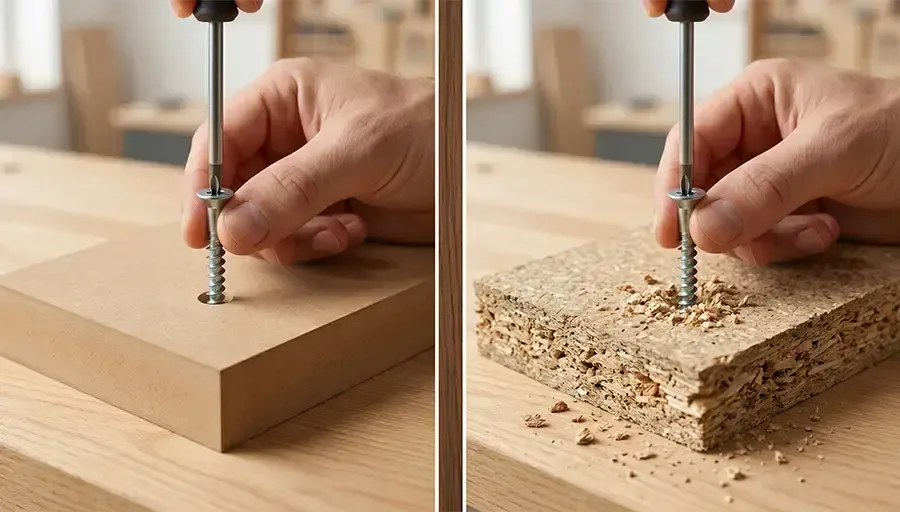
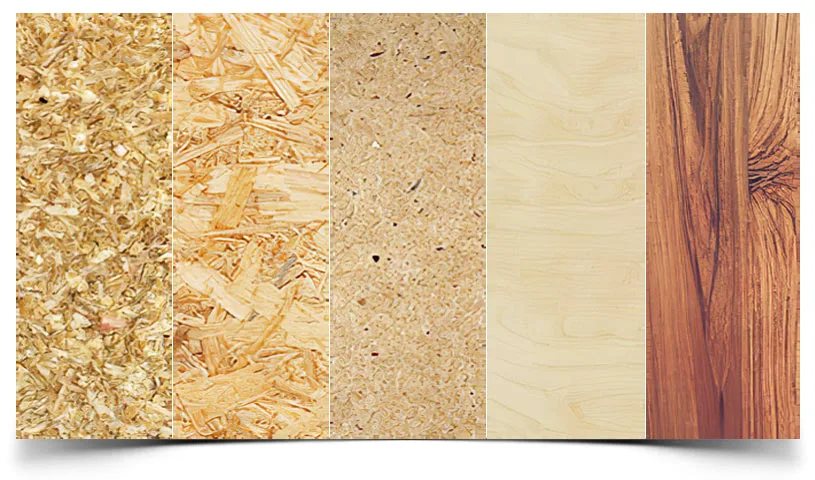
- What Is MDF: MDF stands for Medium Density Fiberboard. It is made by pressing wood fibers with adhesive chemicals under high heat and pressure. It has a dense, uniform structure.
- What Is Particleboard: Particleboard is made by pressing wood dust and chips with binders. Its surface is finished with a melamine coating, creating an attractive and durable form of the board (chipboard). It combines lightness with strength.
- MDF vs. Particleboard (Weight Balance): MDF is naturally heavy and dense, while next-generation, technologically advanced particleboard units deliver an optimal balance of weight and performance, reducing strain on furniture mechanisms.
Active Use and Optimal Weight Balance in Teen Rooms
Compared with adult furniture, teen room furniture is subject to much more active and vigorous use. Wardrobe doors closed in a hurry, drawers pulled open forcefully and heavily used desks all put a room’s structural durability to the test. In this respect, MDF’s considerable weight can become a disadvantage rather than an advantage for teen rooms over time. Heavy wardrobe doors and drawer fronts put extra strain on hinges and runners at the connection points. Over time, hinges may loosen or sag under the weight, and doors may no longer close properly.
By contrast, next-generation, technologically advanced particleboard is made to offer an optimal balance of weight and strength. Its light yet durable structure prevents excessive strain on furniture fittings and hinges. Even with teens’ energetic and vigorous use, the fittings retain their original shape. Particleboard avoids functional problems such as sagging hinges, making it a practical engineering solution that directly extends the lifespan of furniture in teen rooms and particleboard bedroom sets.
High Resistance to Bending and Warping with Particleboard
The perception of old, low-density chipboard from years past no longer reflects today’s high e-commerce and manufacturing standards. Raw materials used in modern production facilities are next-generation panels compressed under high pressure, with fiber and chip density raised to the maximum.
High-density particleboard panels offer excellent vertical and horizontal load-bearing performance. They help prevent problems caused by time and weight, such as bending, sagging or warping, in wide bookshelf shelves lined with heavy books, large wardrobe frames and bed bases. Technologically advanced particleboard, made with carefully considered engineering, retains its shape under static loads, preserving the room’s original alignment and appearance for years.
Melamine’s Surface Durability Against Scratches and Stains
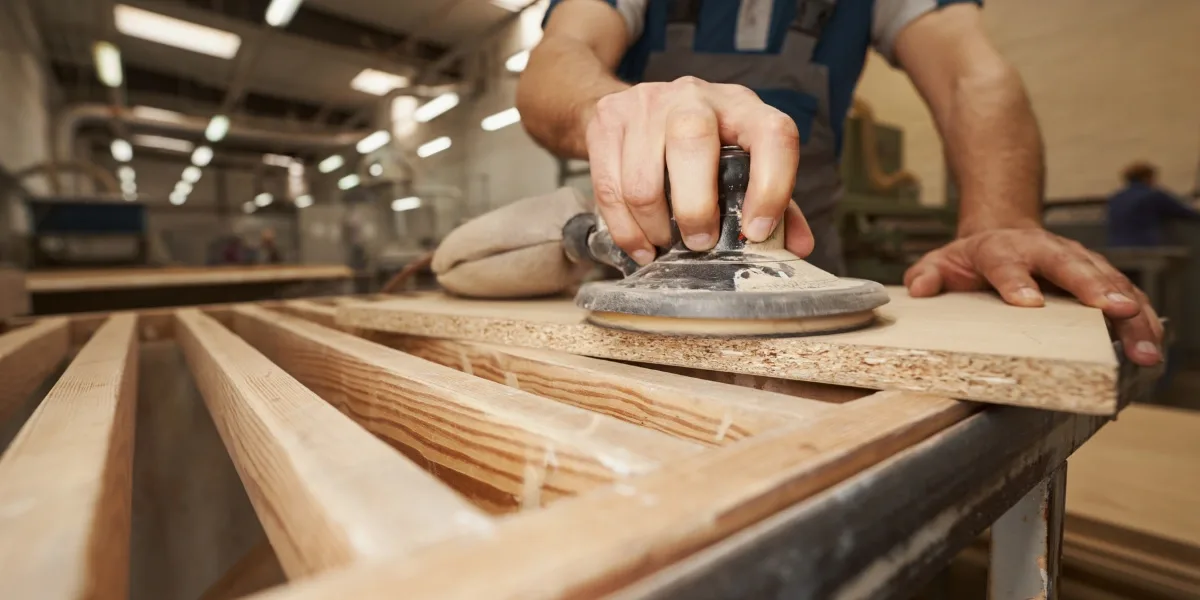
A teen’s room is also a study, art studio and play area. Ink spills while studying, friction from computer equipment and scratches from hard objects can all threaten the surface quality of furniture. Due to its raw structure, MDF generally requires a lacquer finish on its exterior. Painted surfaces are more vulnerable to impact: they can scratch easily, and the paint may crack or peel. What’s more, local repairs to these scratches can be quite difficult.
The advanced melamine coating on particleboard, on the other hand, offers excellent protection in these situations. Integrated into the surface using heat and pressure, this layer is highly resistant to scratches, friction and impacts. Its stain-resistant surface is easy to clean when exposed to pencil marks, coffee or chemical liquids. This surface durability is essential for furniture that can be enjoyed freely by teens while giving parents peace of mind about cleaning and wear.
Lightweight Furniture and Earthquake Safety for Secure Living Spaces
Safety comes before every other consideration, including aesthetics and comfort, in children’s and teen room design. In earthquake-prone countries such as Türkiye, and when considering active teens’ tendency to climb on or lean against furniture, managing furniture weight is vital. In the event of an earthquake or a tip-over caused by improper installation, heavy, high-mass MDF units pose a much greater risk of injury and impact.
Particleboard furniture, with its optimal weight, makes it easier to maintain a safe balance in living spaces. When secured to the wall, these units maintain an upright position with maximum safety and reduce the seismic load in the room. Their lighter weight puts less strain on walls during installation and helps minimize the risk of injury in the event of an accident. This safety advantage makes particleboard a reassuring choice for parents.
Modular Design and the Freedom to Move Again and Again
Teen rooms are always evolving: as teens grow, the room layout changes, new modules are added, or furniture needs to be dismantled and reassembled when moving home.
In furniture made to corporate and industrial standards on precision CNC machines, the screw holes are precisely positioned during manufacturing. Thanks to their high-density structure, particleboard designs made with the right screws and minifix connectors can be dismantled and reassembled many times without becoming deformed. With a modular structure that resists stripped or loose screw holes, this furniture adapts seamlessly to teens’ ever-changing lives and moving needs, providing dependable service for years.
Frequently Asked Questions (FAQ)
Is Particleboard Strong?
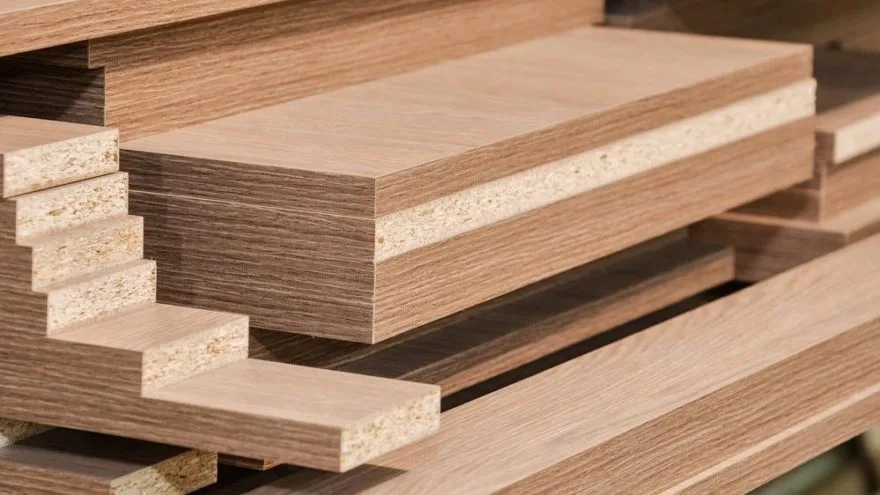
Yes. Next-generation particleboard panels used in the modern furniture industry are very strong. Their high-density chips, compressed under high pressure, and protective melamine layer make them highly resistant to bending, warping and the impacts of everyday use.
Is Particleboard Furniture Worth Buying?
Absolutely. Particleboard furniture is one of the best choices for teen rooms and bedrooms, where lightness, functionality, scratch resistance and value for money matter. The key is the product’s manufacturing quality and adherence to industry standards.
What Is Grade 1 Particleboard?
Grade 1 particleboard refers to panels made to European Standards (EN), certified E1 to demonstrate that they do not emit chemicals harmful to human health, with high chip density and maximum-quality edge banding (PVC). These panels offer excellent resistance to moisture and deformation.
When choosing a teen room , it’s important to look beyond the material’s name and focus on the structural solutions it offers for teens’ active living spaces. At Almila, we aim to create living spaces that keep pace with teens’ energetic world, go easy on hinges, resist scratches and offer maximum safety. To this end, we consciously choose next-generation particleboard materials processed with the most advanced manufacturing technologies, with high density and in compliance with E1 health standards. You too can explore Almila’s functional world and invest in a safe, long-lasting future for your children, designing rooms that will stay looking as good as new for years without compromising on quality.
You May Also Like→ What Is Melamine Coating? How It’s Used in Furniture