Care and Cleaning
How to Increase the Humidity in a Room?
Dry air can negatively affect the respiratory tract. Simple methods can help increase the humidity in your room and create a more comfortable environment.
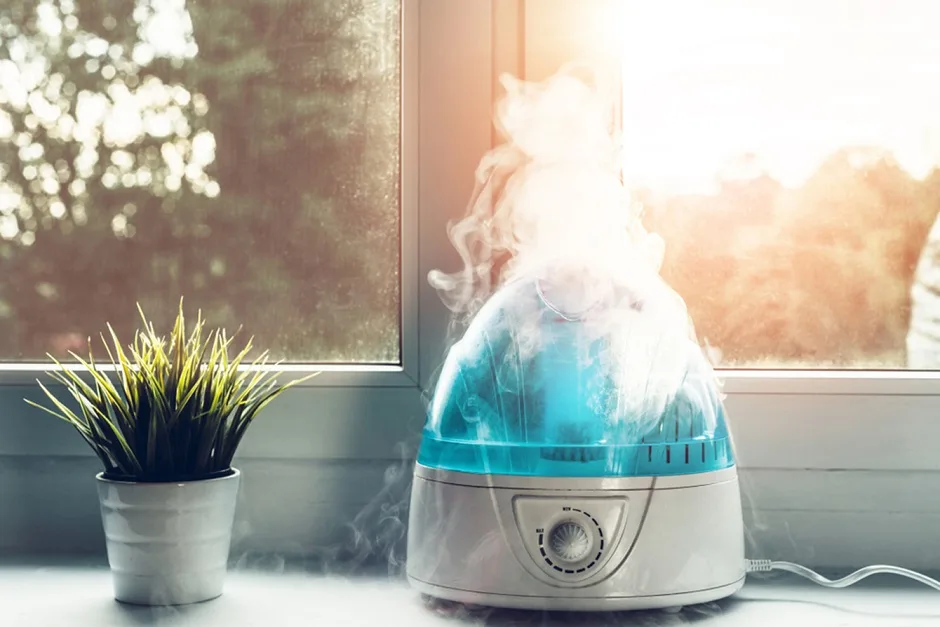
When the cold or hot, oppressive months arrive, it’s not just the temperature outside that drops significantly—the humidity inside the home does too. Humidity levels at home are one of the factors that directly affect our health. Excessively dry air can cause many problems, from dry skin to chapped lips, while excessive humidity encourages mold and bacteria to grow. For this reason, humidity levels should be neither too high nor too low. Experts generally recommend an ideal humidity level of 40% to 60%. This range creates a comfortable, healthy environment for both adults and children. Humidity balance is especially important for families with children, as insufficient humidity can cause issues such as nasal congestion and sleep problems in babies. There are many ways to humidify a room. Here are the details:
Dry Wet Laundry Indoors
Hanging damp clothes from the washing machine on a radiator or in the center of a room to dry increases the humidity in the air. This method helps maintain a balanced humidity level while also saving energy by eliminating the need for a tumble dryer.
Make Use of Indoor Plants
Plants release water vapor during photosynthesis. Tropical plants in particular are highly effective at humidifying the air in your home. With proper watering, you can enjoy both an attractive look and a boost in humidity.
Place a Bowl of Water on the Heater
Adding water to a bowl or ceramic dish and placing it on a radiator is one of the easiest solutions. As the water evaporates, it humidifies the air. If you like, add a few drops of essential oil to the water to create a pleasant scent, too.
Make Use of Shower Steam
Leave the bathroom door open while you shower. This allows the steam to spread throughout the home and increase humidity levels. However, avoid making your showers unnecessarily long to conserve water.
Make Use of Cooking Steam
Soups and other liquid-based dishes, often prepared in winter, are a natural source of humidity. Leaving the pot lid open from time to time while cooking helps maintain balanced humidity in the room.
Why Does Humidity Drop in Winter?
Indoor air is generally drier during the winter months. This can lead to many discomforts, from dry skin to respiratory problems. Here are the main reasons humidity drops in winter:
Cold Air Holds Less Moisture: Cold air can carry less water vapor than warm air. When temperatures drop in winter, the natural humidity in the air decreases as well. This causes the air outdoors to become dry. When you ventilate your home, this dry air comes inside and lowers indoor humidity.
Heating Systems Dry Out the Air: Heaters such as radiators, stoves, and air conditioners warm the room while also removing water vapor from the air. When these systems run continuously, especially in enclosed spaces, they dry out the air quickly. As a result, humidity levels inside the home drop considerably.
Insufficient Ventilation Disrupts Humidity Balance: In winter, windows are opened less often because of the cold. This reduces air exchange with the outdoors and disrupts the humidity balance inside. The dryness caused by heating cannot be balanced because fresh air is not coming in.
Evaporation Decreases: In summer, high temperatures allow laundry, water, and damp surfaces to evaporate easily, adding moisture to the air. In winter, however, lower temperatures reduce the rate of evaporation. This naturally lowers the amount of moisture in the air.
There Are Fewer Sources of Humidity Indoors: In winter, people sweat less and spend less time doing outdoor activities. Plants use less water, and sources of evaporation in the home also decrease. As a result, natural factors that add moisture to the air are insufficient.
Why Is Room Humidity More Critical for Babies?
Babies’ immune systems are more sensitive than those of adults. That’s why the humidity level in their room is especially important. If you’re wondering what the humidity level in a baby’s room should be, experts recommend a range of 50–60%. This helps babies breathe comfortably and sleep well. Otherwise, excessively dry air can cause nasal congestion, coughing, and restlessness.
How Can You Tell If Your Home Has Enough Humidity?
Humidity levels at home are important for both comfort and health. There are several ways to tell whether your home has a sufficient level of humidity.
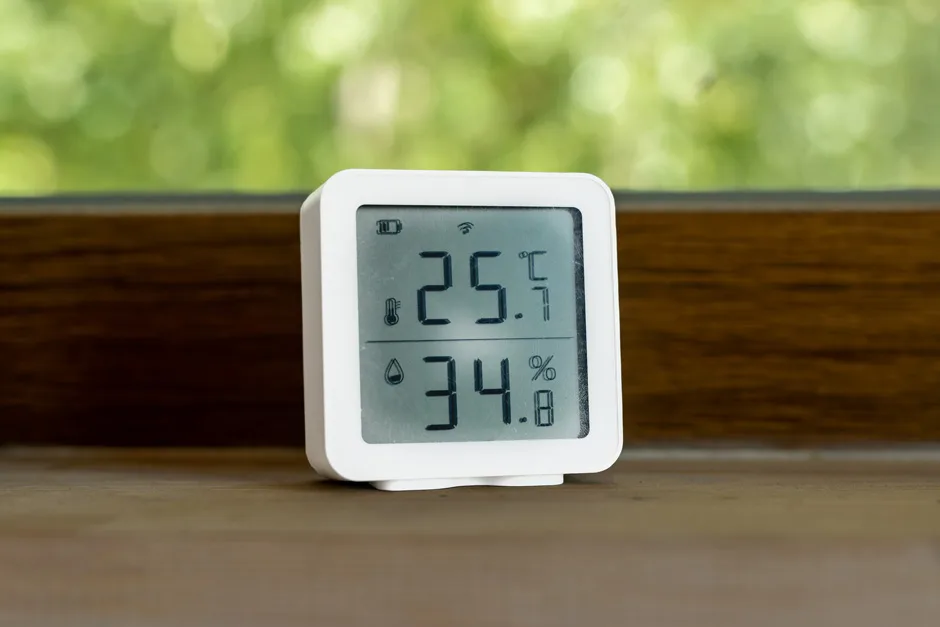
Measure the Level with a Hygrometer: The most accurate and straightforward way to check humidity levels at home is to use a hygrometer. These devices show the relative humidity in the air as a percentage. The ideal humidity level for a healthy home environment is between 40% and 60%. If it falls below this range, the air is dry; if it rises above it, the air is too humid.
Look for Physical Signs: Persistent condensation on glass surfaces, mold spots in the corners of walls, or a musty smell are all signs that humidity levels at home are likely too high. These signs are usually found in homes with insufficient ventilation and an imbalanced humidity level.
Pay Attention to Your Belongings: Cracks in wooden furniture, squeaking or sticking doors, and gaps or bulges in parquet flooring may indicate an imbalance in humidity. These issues can develop as a result of either excessive moisture or dryness.
Changes in Odor and Air Quality: A heavy, stale smell at home or a noticeable moldy odor can indicate high humidity. On the other hand, very dry air often feels dusty, stuffy, and cool. These kinds of odors and sensations can offer clues that humidity levels are unbalanced.

Ideal Temperature and Humidity Balance in Winter
A balanced temperature and humidity level are essential for comfortable living at home. In winter, the ideal room temperature is an average of 21–23 degrees, while humidity should be around 50%. These conditions create the most suitable environment for both health and energy savings. Excessive heat dries out the air, so wearing warmer clothes and turning the thermostat down a few degrees is a smart approach.
Balancing humidity levels at home is essential for a healthy life. Excessively dry air can cause respiratory problems, while excessive humidity can lead to mold and mildew. For this reason, the best solution is to use natural methods to answer the question of how to increase the humidity in a room. Practical methods such as drying wet laundry, keeping plants, and using bowls of water can bring the air in your home to an ideal level.
You can also read our blog post titled How to Clean Your Home?