Decorating
Winter Garden Models
Winter garden designs offer year-round use with glass, aluminum and wood options. Expand your living space with decor and insulation solutions.
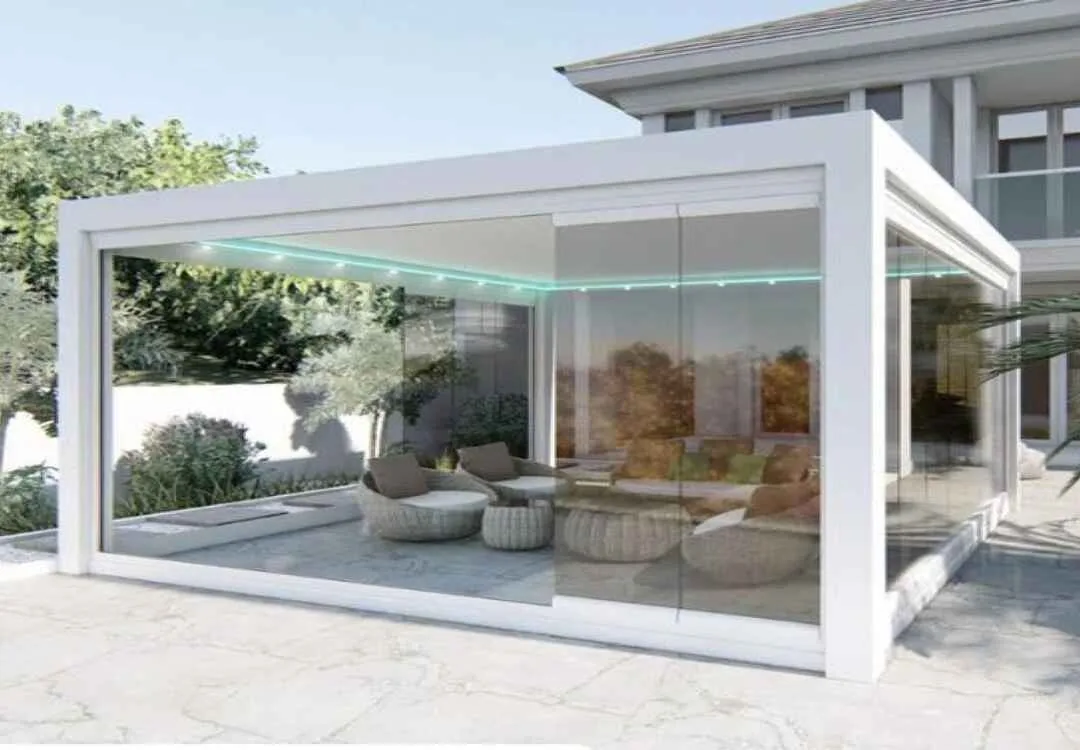
Winter garden models vary according to the size of the area, the building’s architectural style and how the space will be used. Generally shaped by modern, classic or minimalist lines, these models are named according to their main support system and glass type. Winter garden models with entirely glass roofs offer a view of the sky, while those with solid roofs provide better thermal insulation and privacy. Users can choose between fixed and retractable roof systems to make the space more adaptable to the seasons.
For aesthetic harmony, it is essential that the selected winter garden model complements the home’s architecture. For example, sleek aluminium profiles are preferred for modern buildings, while models featuring prominent wooden details suit more traditional homes. Winter garden designs should be conceived not only as an extra room but also as a decorative feature that enhances the home’s exterior. In large gardens, winter gardens can be built as standalone structures, while on terraces or balconies, they are integrated into the building.
Glass-Framed Winter Garden
Glass-framed winter garden models maximise transparency, offering an uninterrupted view. In these designs, the support profiles are kept as slim as possible to increase the glazed surface area. The use of double glazing with thermal insulation makes these spaces energy efficient. Glass-framed winter gardens are also one of the most popular ways to create a winter balcony. This protects the balcony from dust and cold without visually disconnecting it from the outside world.
For safety, the glass used in glass-framed winter garden models must be tempered or laminated. These safety glasses minimise the risk of injury if broken and are also resistant to impacts from outside. Solar-control glass can be used in glass-framed designs to regulate the amount of heat entering in summer. This allows the winter garden to remain comfortable not only in winter but throughout the year.
Wooden Winter Garden Decor
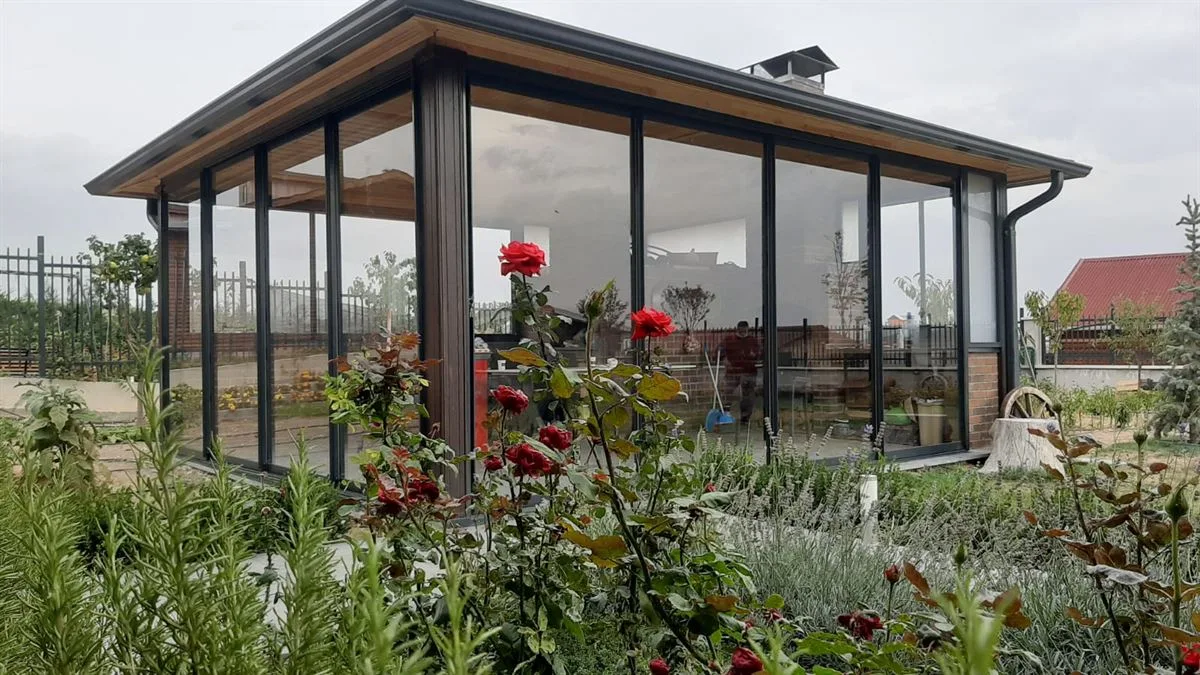
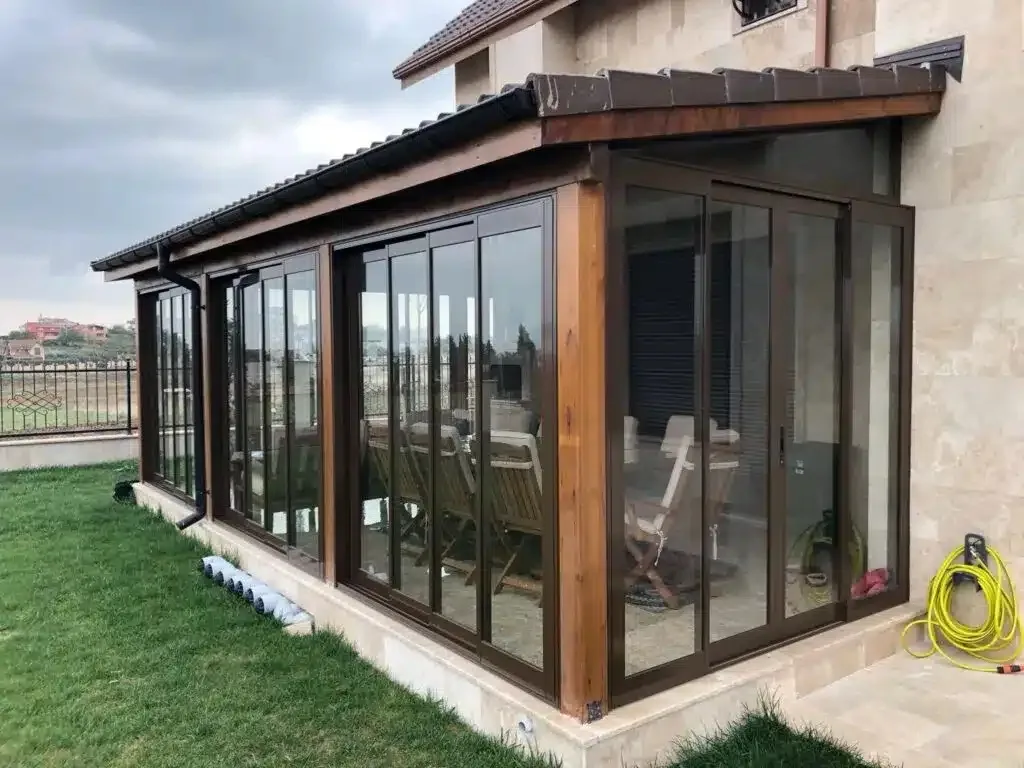
Winter gardens made with natural wood create a warm and inviting atmosphere. When planning wooden winter garden decor, choose colours and accessories that complement the material without obscuring its natural texture. Wooden support structures are generally made from laminated wood for greater durability. Choosing furniture made from wood species such as oak, walnut or pine that complement the wooden finish helps create a cohesive look.
Textiles are one of the most important elements for completing the decor of a wooden winter garden. Cotton or linen fabrics pair with wood’s natural character to create a peaceful setting. Choosing natural stone or wood-look ceramic tiles for the flooring also softens the transition between the interior and the garden. Wooden winter gardens require regular maintenance, but are among the most aesthetically rewarding winter garden models.
Enclosed Veranda-Style Winter Garden
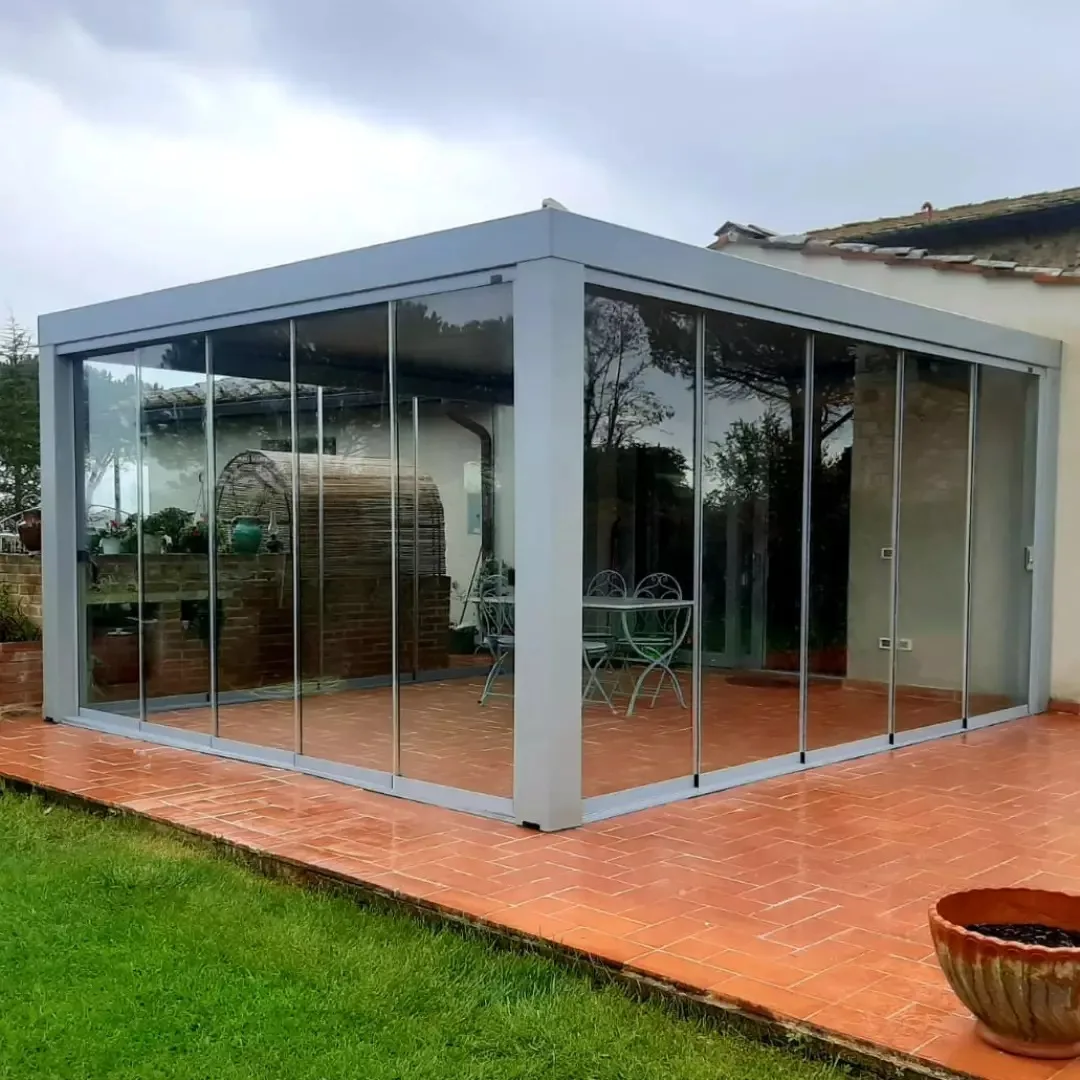
An enclosed veranda-style winter garden is usually created by enclosing the veranda at the front entrance or rear garden exit of a home with glass systems. Since this style looks like an extension of the home’s existing roof, it blends seamlessly with the house. These systems, which are generally attached to the home along one side, are among the winter garden designs with the least heat loss. Veranda-style structures provide a welcoming social space, with room for large seating sets and dining tables.
Sliding glass doors or folding systems are often chosen for this type of winter garden. In summer, the glass can be opened completely to turn the space back into an open veranda. A similar approach is used when decorating a terrace winter garden, enclosing part or all of the terrace with glass. In enclosed veranda systems, covering the roof with opaque materials such as sandwich panels or roof tiles helps prevent direct sunlight, creating a cooler environment, especially in summer.
Winter Garden Decor Ideas
Winter garden decor should be shaped around how the space will be used. These spaces can be designed not only as places to relax, but also as dining rooms, home offices or small indoor gardens. Keep the decor minimalist while prioritising practical choices.
Choose Comfortable Furniture
Since comfort and relaxation are at the heart of a winter garden, choosing the right furniture is essential. The principle of choosing comfortable furniture means more than soft cushions; it also means ergonomic design. Corner sofas with generous seating or rocking chairs are ideal for a winter garden. We recommend furniture frames made from materials that can withstand humid conditions, such as aluminium, stainless steel or treated wood.
Outdoor-friendly synthetic rattan furniture is a popular choice for winter garden decor thanks to its durability and style. Choosing cushion fabrics that are stain-resistant, fade-resistant in sunlight and easy to clean helps extend their lifespan. Furniture for a winter balcony should be proportionate to its size and arranged so it does not obstruct walkways.
Choose the Right Lighting
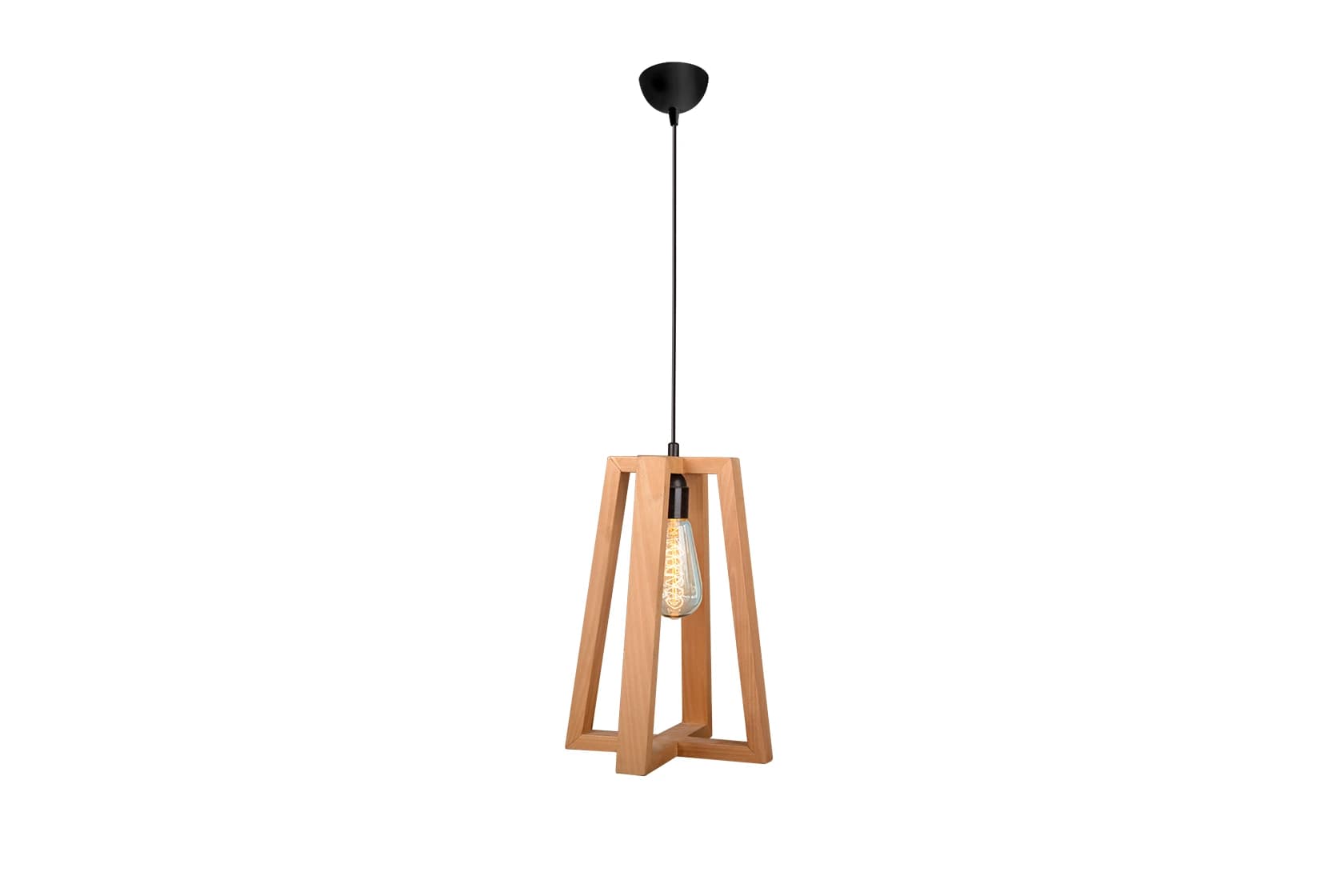
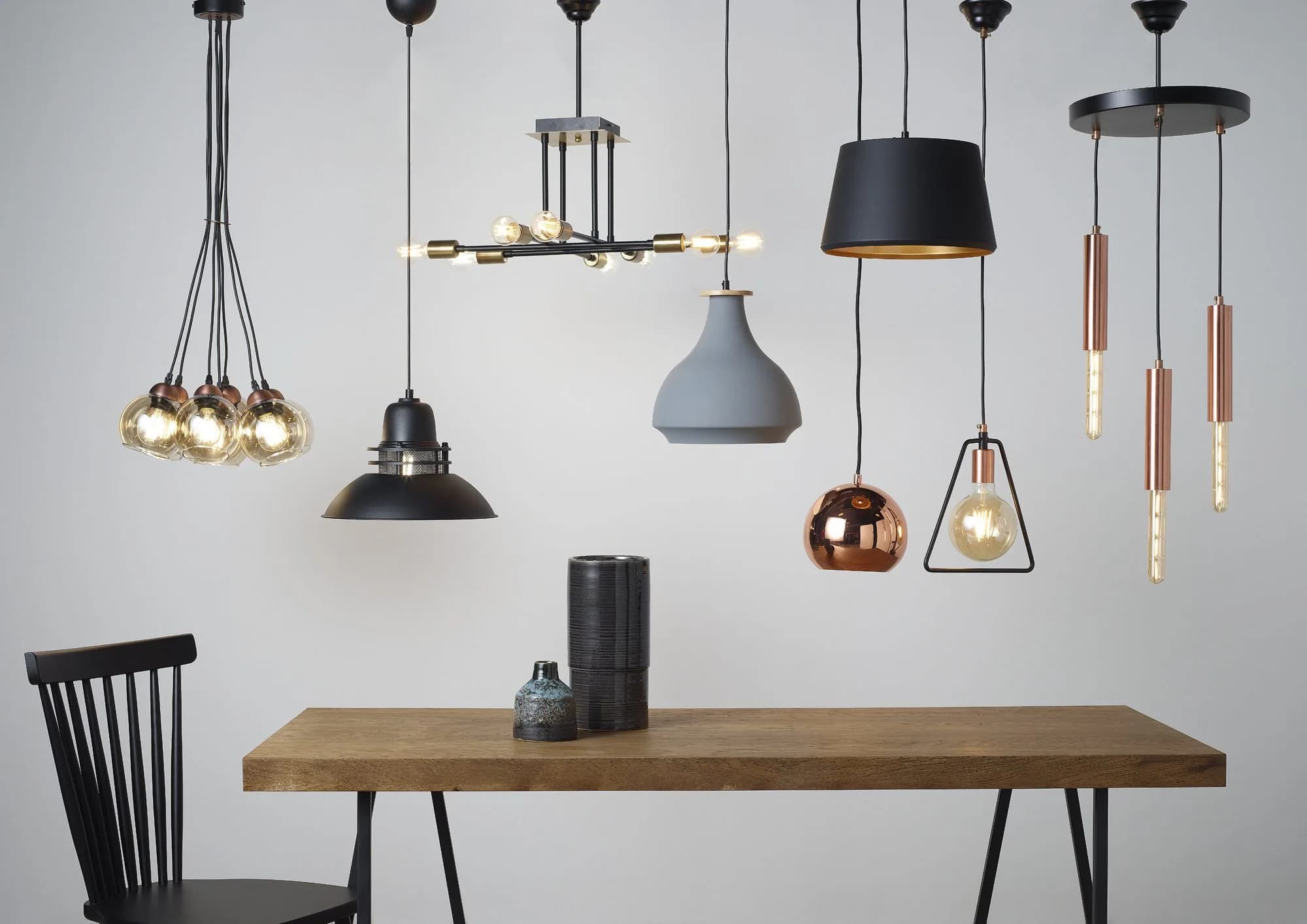
Lighting is one of the most important elements in setting the mood of a winter garden at night. Rather than relying on a single bright light source, choose several softer light sources. Add depth with floor lights, wall sconces and decorative lanterns alongside ceiling lighting. LED strips and pendant lights are well suited to modern winter garden designs.
Warm yellow light helps create a peaceful atmosphere in a winter garden. For safety, choose lighting fixtures that meet outdoor standards and are protected against water and dust. Smart lighting systems allow you to adjust the brightness to suit the way you use the space. Small solar-powered lights can also be placed around the winter garden to enhance its appearance at night.
Create a Natural Setting with Plants
Plants are the most essential decorative element for strengthening a winter garden’s connection with nature. Creating a natural setting with plants enriches the space visually while helping to purify the air. Tropical plants, succulents, ferns and seasonal flowers are popular choices for winter gardens. Plants placed by the glass can make the most of the sunlight and stay vibrant throughout winter. Large potted plants, such as rubber plants or monstera, are ideal for filling corners.
When choosing plants, take the temperature of the winter garden into account. If the heating system does not run continuously, choose varieties that can tolerate the cold. Plants’ watering and humidity needs differ from those of an outdoor garden because they are in an enclosed space. For a layered look, use plant stands or macramé hanging planters as part of your winter garden decor. This way, you can enjoy an oasis filled with every shade of green, even in the middle of winter.
What to Consider When Decorating a Winter Garden
Decorating a winter garden requires careful attention to technical details as well as aesthetics. To get the most out of these spaces, users should consider several factors during the design stage. Decorating mistakes can compromise the space’s functionality and reduce its comfort.
Here are the key points to keep in mind when decorating a winter garden:
- Keep Furnishings Balanced: Preserving a sense of openness should be at the top of your decorating list. A winter garden filled with too many large items can lose its airy feel and look cramped. Choose minimalist, practical pieces that do not restrict movement.
- Manage the Effects of Sunlight: Extending the life of furniture and textiles is essential in spaces exposed to constant daylight. Choose UV-protective fabrics or manage direct exposure to sunlight with suitable shading and curtains.
- Don’t Overlook Ventilation: Often overlooked in winter gardens, ventilation directly affects air quality and comfort. Install opening windows or vents in strategic locations to remove humidity and stale air that can build up in enclosed spaces.
- Prioritise Floor Safety and Hygiene: Choosing accessories such as rugs, runners or mats should involve more than appearance. To ensure safety and hygiene, select products with non-slip backing and materials that can withstand potential moisture.
- Choose Materials to Suit the Seasons: Every item in the space should be able to withstand temperature differences between day and night. Choosing products that can handle seasonal changes and temperature fluctuations offers long-term value.
Which Materials Should You Choose for a Winter Garden?
The materials used to build a winter garden determine its lifespan, maintenance needs and insulation capacity. The answer to which materials to choose depends on your budget and aesthetic preferences. Three main materials are generally used: glass, aluminium and wood. Each has its own technical features and advantages.
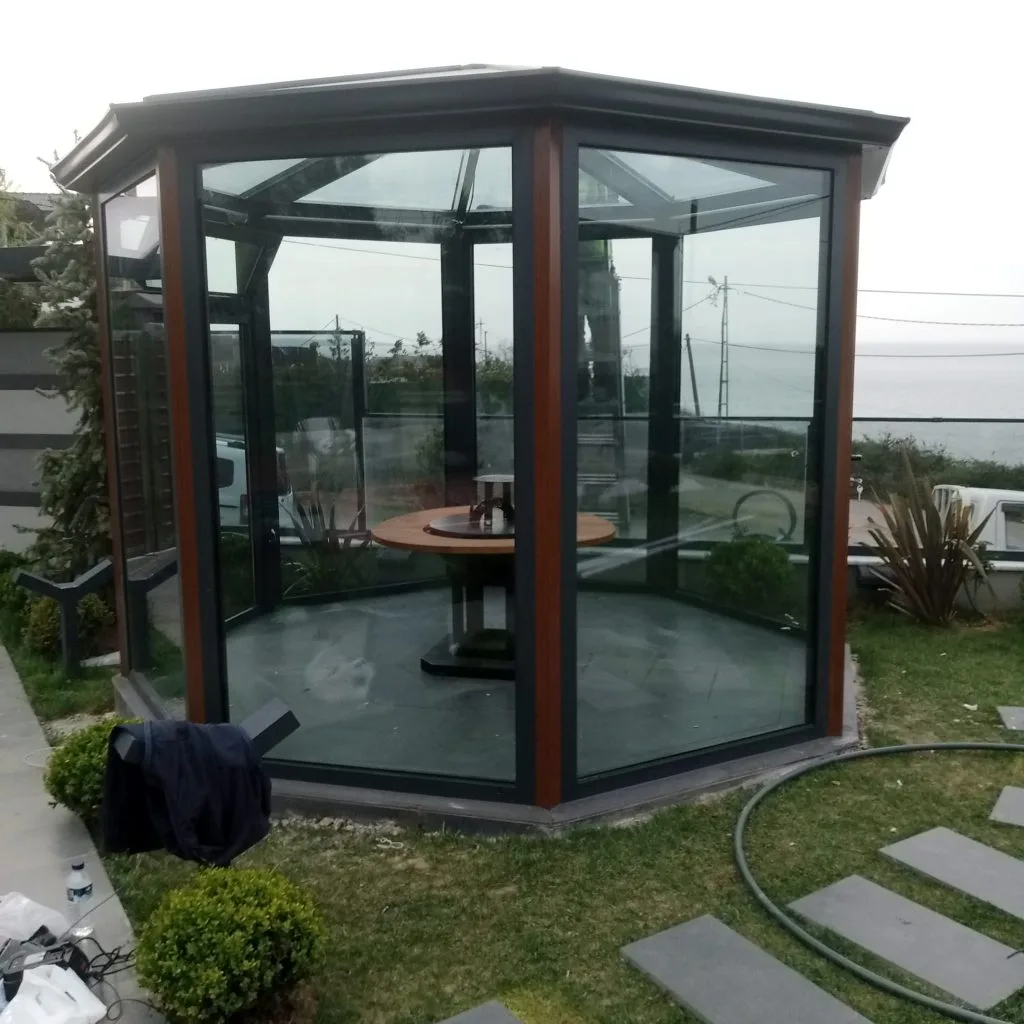
- Features of Glass: Glass is an essential material for winter gardens, but not all glass performs equally. Heat-control glass made specifically for winter garden designs keeps warmth inside in winter while reducing the sun’s heat in summer. Alongside clear glass, tinted, bronze or frosted glass can be used where privacy is desired. Roof glazing must always be laminated and made from durable tempered glass.
- Features of Aluminium: Aluminium is the most popular metal for winter garden systems thanks to its light weight and resistance to corrosion. Its suitability for slim profiles allows for larger glass surfaces. Electrostatic powder coating lets aluminium profiles be finished in any colour, or even with wood-look textures. Thermal-break aluminium systems insulate against the metal’s conductivity, delivering excellent energy savings.
- Features of Wood: For those who won’t compromise on natural materials, wood is hard to beat. However, in spaces such as winter gardens that are directly exposed to the elements, laminated wood should be used instead of standard timber structures. Laminated wood does not warp or bend, making it compatible with glass systems. Wood naturally provides better thermal insulation than aluminium. With periodic polishing and protective maintenance, wooden winter gardens can retain their beauty for decades.
Combining these three materials effectively can deliver excellent results in winter garden projects. For example, hybrid models with aluminium support structures, wooden decorative details and high-quality glass throughout offer a look that is both modern and inviting.
Well-planned winter garden models add value to a home while letting you enjoy a closer connection with nature all year round. Balancing material quality, insulation and aesthetics during the decorating process is key to making the most of the space. Whether you are creating a winter balcony or a winter garden in a spacious garden, the right furniture and lighting can transform it into the most peaceful corner of your home. Choose a winter garden design that suits your style and create a sustainable living space that combines the comfort of indoors with the freedom of the outdoors.
You May Also Like→ Balcony Decor Ideas